The Last-Mile Reckoning: UK Quick Commerce Confronts Profitability Amidst Shifting Demand
After an investment boom, the rapid delivery sector in the United Kingdom faces a critical juncture, navigating the transition from growth at all costs to sustainable economic models.

A recent stroll through London's Shoreditch reveals a Deliveroo rider, distinct in turquoise, deftly navigating traffic with a small bag, likely containing a single meal or a handful of convenience items. This ubiquitous sight, once a symbol of pandemic-driven innovation and investor confidence, now represents a sector grappling with a more complex reality. The initial surge in demand for instantaneous delivery has stabilised, forcing companies and their retail partners to recalibrate their operational strategies against persistent profitability challenges.
During the peak of lockdown measures, quick commerce companies such as Getir, Gorillas, and Zapp, alongside established players like Deliveroo and Just Eat, expanded aggressively across major UK cities. They promised groceries and goods within minutes, attracting billions in venture capital. However, the economic climate has shifted, with rising inflation and a return to pre-pandemic shopping habits prompting a reassessment of these high-burn, low-margin models.
Major UK supermarkets also embraced the trend, forging partnerships or developing their own rapid delivery services. Tesco, for instance, expanded its Whoosh service, leveraging its extensive store network for rapid fulfilment. Sainsbury's likewise ramped up its Chop Chop service. These initiatives offered a competitive advantage and captured incremental sales, but the operational intricacies and associated costs of fulfilling numerous small, urgent orders have proven considerable.
The Cost of Speed
The core challenge for quick commerce lies in the unit economics of rapid delivery. The cost of maintaining dark stores in prime urban locations, coupled with the wages of riders and packers, frequently outweighs the average order value and associated margins. Many pure-play quick commerce firms struggled to achieve profitability, leading to significant consolidation and retrenchment. Getir’s acquisition of Gorillas in late 2022 exemplifies this market adjustment, aiming for economies of scale amidst dwindling investor appetite.
For retailers like ASOS and Next, who operate primarily in apparel, the quick commerce model manifests differently. While not offering immediate grocery delivery, they have invested heavily in sophisticated logistics to offer next-day or even same-day delivery slots, particularly in metropolitan areas. This satisfies consumer expectations for speed, but these services often incur higher operational expenses, sometimes subsidised by membership schemes or higher product margins, or absorbed as a cost of customer retention.
The market has evolved from prioritising sheer speed to valuing reliability and a sustainable cost structure. Consumers are discerning; convenience remains important, but not at any price.
Ocado, a pioneer in online grocery, operates on a different scale, focusing on scheduled, larger basket deliveries from automated warehouses. While not strictly 'quick commerce' in the hyper-local sense, its partnership with Marks & Spencer demonstrates the high capital expenditure required for efficient e-commerce fulfilment at scale. The company’s continued investment in robotics and proprietary software aims to drive efficiency and, crucially, profitability in the long term, a benchmark against which all rapid delivery models are ultimately measured.
Shifting Consumer Habits and Retailer Strategies
Consumer behaviour post-pandemic shows a nuanced picture. While a segment of the population retains a preference for rapid delivery for impulse buys or forgotten items, a broader return to weekly supermarket trips and more planned online orders for larger hauls has occurred. This necessitates a diversified strategy from retailers, balancing instant gratification services with more traditional, cost-effective delivery options. Deliveroo and Just Eat have adapted by expanding their grocery partnerships beyond convenience stores to include larger supermarket chains, broadening their product offerings while leveraging existing infrastructure.
The future of quick commerce in the UK likely involves further integration and a more strategic approach to expansion. Companies will need to demonstrate a clear path to profitability, perhaps through higher service fees, increased minimum order values, or by embedding rapid delivery within a broader, more diversified retail ecosystem. The era of growth at any cost appears to be concluding, ushering in a period where efficiency and sustainable business models will define success.
News Legacy maintains editorial independence. Some recommendations may contain affiliate links. We earn from qualifying purchases at no additional cost to you. Read our policy.
Read Next

Is Sohna Really the Next Chhatarpur?
Three decades after Chhatarpur redrew South Delhi's map for space, privacy and exclusivity, a familiar pattern is now taking shape further south, and Sohna is where the smart money is beginning to look.
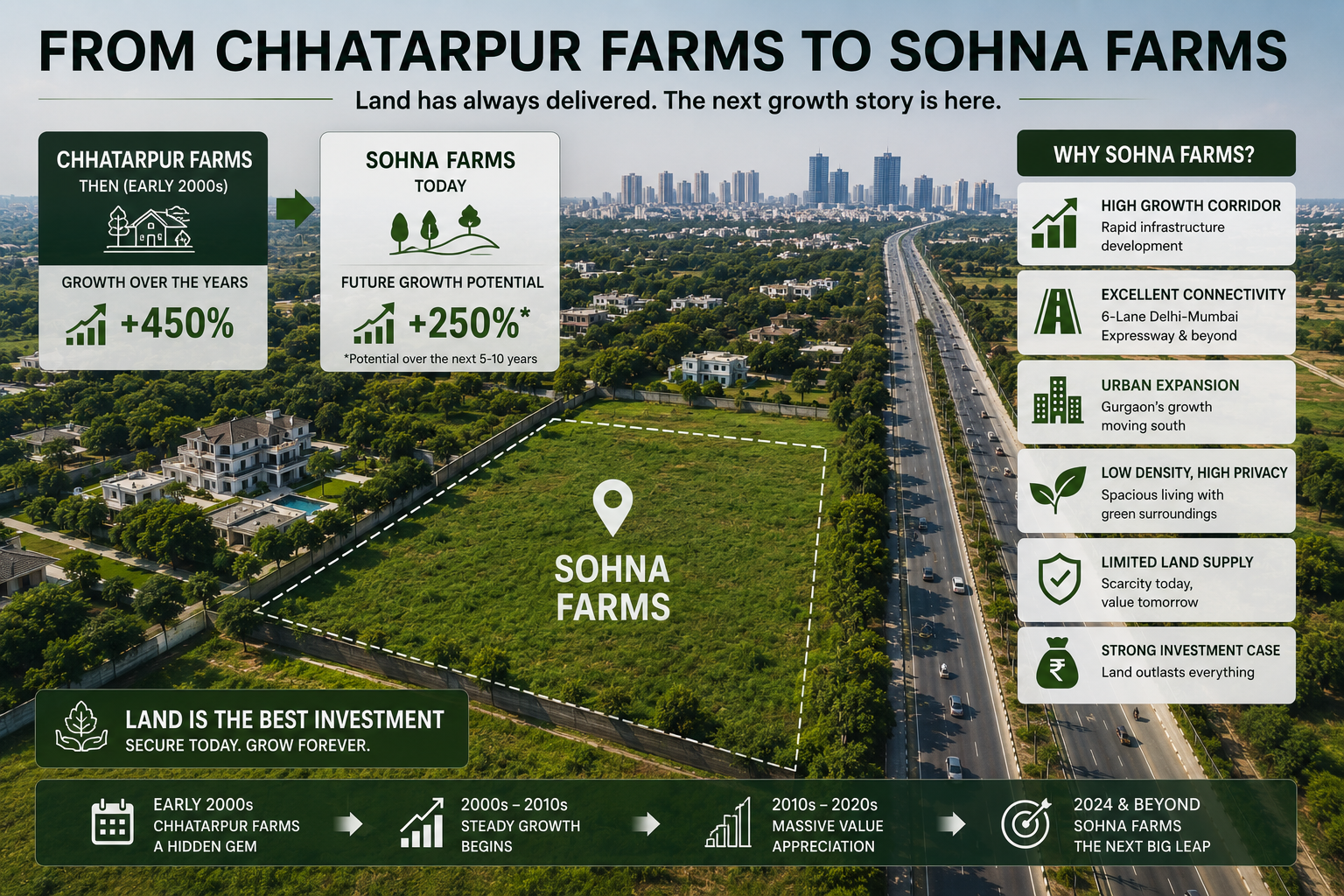
How Chhatarpur Farmhouses Created Multi-Crore Wealth for Early Buyers
What a quiet corner of South Delhi can teach investors about land, scarcity, and long-term wealth creation.
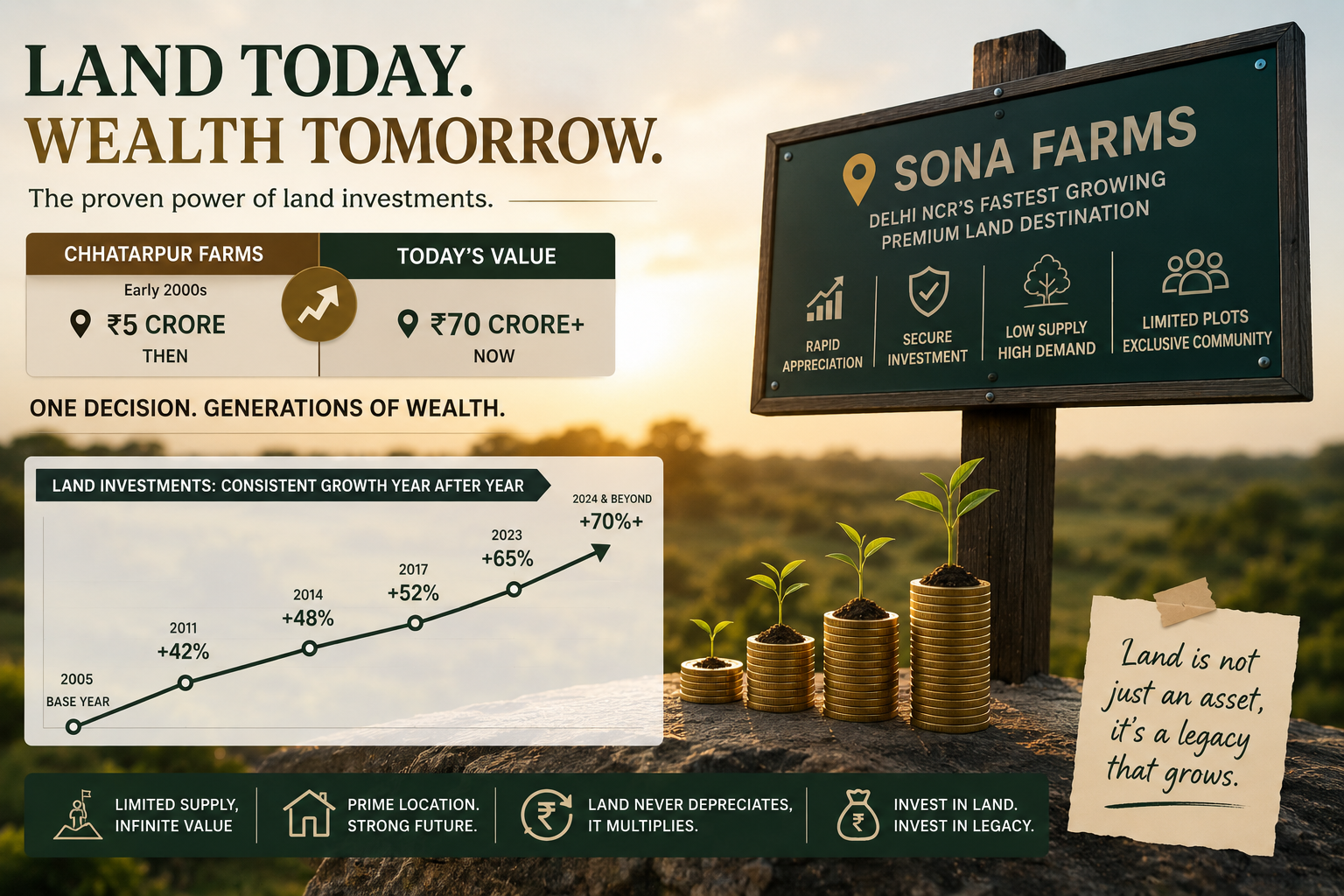
The ₹5 Crore Land Purchase That Became Worth ₹70 Crore
What the Story of DLF Chhatarpur Farms Reveals About Wealth Creation Through Premium Land Ownership
One short email. Stories you can use.
A free, occasional email from our editorial team with our latest features, explainers and reads. Unsubscribe any time — your email stays with us.