The Last-Mile Scramble: UK Retailers Confront Quick Commerce Profitability Paradox
The swift delivery model, once a novelty, has solidified its position within the UK retail landscape. However, the pursuit of rapid gratification is increasingly revealing fundamental tensions between consumer expectation, operational cost, and sustainable business models.

A Tesco Extra in South London, typically a bastion of weekly family shopping, now dedicates a significant portion of its sprawling floor space to rapid picking for online orders. This strategic adaptation by the UK's largest grocer, mirrored by Sainsbury's and others, exemplifies a broader recalibration underway. The surge in consumer demand for immediate fulfilment, accelerated by pandemic-era habits, has forced established retail giants to contend with a new breed of agile, tech-driven delivery platforms.
While companies like Deliveroo and Just Eat initially carved out niches with restaurant takeaways, their expansion into grocery and general merchandise quick commerce (Q-commerce) has intensified competitive pressures. These platforms leverage extensive courier networks and dark stores, often bypassing traditional supermarket infrastructure. The challenge for incumbent retailers is not merely about speed, but about integrating this service without eroding already thin margins.
For consumers, the convenience is undeniable. An ASOS order delivered within hours, or a forgotten ingredient from Marks & Spencer arriving in under 30 minutes, has shifted expectations. This new benchmark, however, comes at a significant operational expense for retailers. The capital outlay for dedicated picking hubs, sophisticated inventory management systems, and the cost of last-mile delivery personnel are substantial, creating a profitability tightrope.
The Cost of Convenience: Balancing Speed and Margin
Analyst estimates suggest that fulfilling a typical quick commerce grocery order can incur delivery costs of £3-£5, often subsidised or absorbed by the retailer to maintain competitive pricing. This compares unfavourably with traditional online grocery models, which typically consolidate larger basket sizes for fewer, scheduled deliveries. The average basket value for quick commerce remains notably lower, compounding the challenge.
Major players are experimenting with various models to address this. Ocado, for instance, has focused on highly automated Customer Fulfilment Centres (CFCs) for its main service, but has also partnered with retailers like Morrisons for immediate grocery delivery through its Zoom service. Tesco's Whoosh and Sainsbury's Chop Chop initiatives illustrate direct responses, investing in their own express fulfilment capabilities to retain direct customer relationships and data.
The inherent tension lies between the consumer's willingness to pay a premium for speed and the actual cost of providing it. Research indicates that while consumers appreciate speed, price sensitivity remains high, particularly in the current inflationary environment. This makes passing on the full cost of express delivery difficult for retailers operating in competitive markets.
The quick commerce model, while meeting an evolving consumer need, necessitates a fundamental re-evaluation of supply chain economics and price elasticity. Sustaining growth in this segment requires more than just speed; it demands strategic innovation in cost management.
Non-grocery retailers face similar, if distinct, hurdles. Next and ASOS, leaders in rapid fashion delivery, have built sophisticated logistics networks over decades. Integrating ultra-fast, sub-one-hour delivery for a broader range of items demands even more granular stock visibility and localised warehousing, potentially duplicating existing infrastructure and adding complexity.
The ongoing evolution of quick commerce in the UK is poised to differentiate genuine innovation from unsustainable ventures. The market is likely to consolidate, favouring those retailers and platforms that can demonstrate a viable path to profitability, perhaps through higher average order values, more efficient fulfilment technology, or a judicious balance of delivery speed tiers. For now, the scramble for the last mile continues, a high-stakes race where operational efficiency will ultimately determine the winners.
News Legacy maintains editorial independence. Some recommendations may contain affiliate links. We earn from qualifying purchases at no additional cost to you. Read our policy.
Read Next

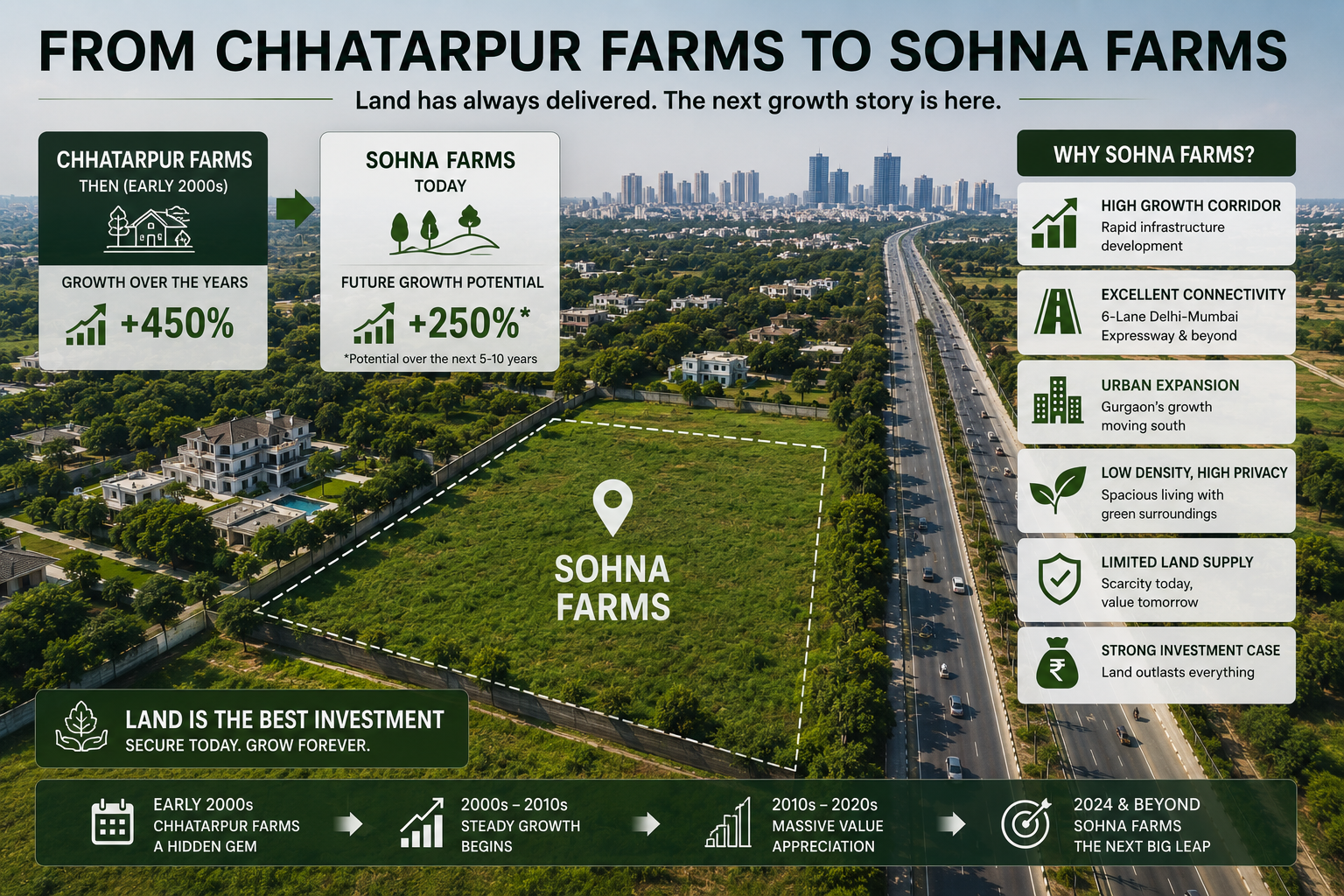
Is Sohna Really the Next Chhatarpur?
Three decades after Chhatarpur redrew South Delhi's map for space, privacy and exclusivity, a familiar pattern is now taking shape further south, and Sohna is where the smart money is beginning to look.
How Chhatarpur Farmhouses Created Multi-Crore Wealth for Early Buyers
What a quiet corner of South Delhi can teach investors about land, scarcity, and long-term wealth creation.

The ₹5 Crore Land Purchase That Became Worth ₹70 Crore
What the Story of DLF Chhatarpur Farms Reveals About Wealth Creation Through Premium Land Ownership
One short email. Stories you can use.
A free, occasional email from our editorial team with our latest features, explainers and reads. Unsubscribe any time — your email stays with us.