The Last Mile's Unseen Toll: UK Retailers Grapple with Delivery's Rising Cost
While consumers have grown accustomed to swift doorstep service, the economic realities of last-mile logistics are increasingly challenging UK retailers, reshaping supply chains and profitability.

A Sainsbury's delivery van, laden with orange-bagged groceries, navigates the narrow streets of Islington, a common sight across Britain. This ubiquitous final leg of the retail journey, the 'last mile', represents a significant and escalating financial burden for businesses. As e-commerce continues its penetration, particularly in groceries and general merchandise, the underlying infrastructure and labour costs associated with individual home deliveries are exerting pressure on operating margins, demanding a strategic re-evaluation from companies like Tesco and Marks & Spencer.
The pandemic accelerated a shift in consumer expectations, solidifying the demand for rapid, often free, delivery. Platforms such as Deliveroo and Just Eat have further entrenched this 'on-demand' mindset, extending beyond hot food to convenience items. This rapid expansion, however, has often come at the expense of sustainable unit economics, a challenge now confronting even well-capitalised traditional retailers.
Data from industry analyses suggests that the cost of fulfilling the last mile can account for 40% or more of total shipping expenses, varying significantly by item type and delivery density. For bulky furniture from a retailer like Next, or multiple chilled grocery bags from Ocado, the per-delivery cost can erode profitability even on substantial basket sizes.
The Pressure on Profitability
Retailers are contending with a confluence of rising expenses. Fuel prices, despite recent fluctuations, remain a material cost. Labour shortages, particularly for van drivers and warehouse staff, have pushed up wages, exacerbated by competition from the gig economy. Furthermore, the capital expenditure required for fleet maintenance, vehicle depreciation, and increasingly, charging infrastructure for electric vehicles, adds another layer of financial commitment.
The expectation of near-instant gratification, often at no direct cost to the customer, creates a fundamental tension with the physical and human resource realities of delivery.
ASOS, for instance, has grappled with the implications of extensive returns and fluctuating delivery costs impacting its bottom line, highlighting the intricacies of apparel logistics. The sheer volume of individual parcels, each requiring careful handling and transport, scales costs disproportionately compared to traditional palletised store deliveries.
Innovative Solutions and Hard Choices
In response, several strategies are emerging. Click-and-collect services, where customers retrieve online orders from physical stores, offer a partial antidote. Tesco and Sainsbury's have expanded these options, leveraging their extensive store networks to reduce direct home delivery costs. This shifts the 'last mile' burden to the customer, but it requires convenient collection points and efficient in-store order fulfilment.
Technological advancements are also being explored, albeit with varying degrees of practical application. Route optimisation software aims to reduce fuel consumption and driver hours, while investments in automation within distribution centres can streamline parcel sorting. The prospect of drone delivery, while technically feasible for niche applications, remains largely aspirational for dense urban environments or bulk grocery orders in the UK. Ultimately, the industry faces a delicate balancing act: meeting heightened consumer demands without sacrificing financial viability in an increasingly competitive market.
News Legacy maintains editorial independence. Some recommendations may contain affiliate links. We earn from qualifying purchases at no additional cost to you. Read our policy.
Read Next
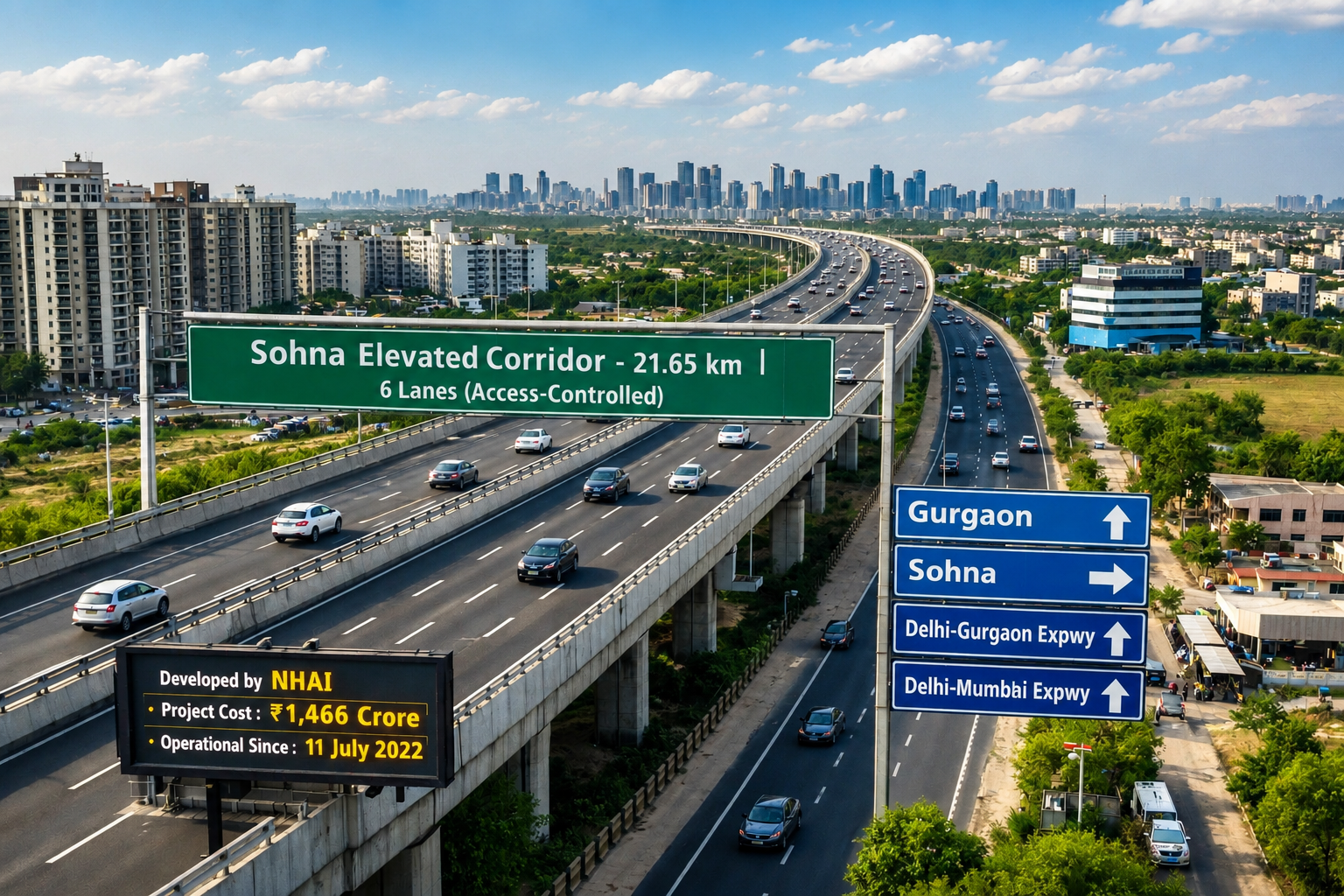
Is Sohna Really the Next Chhatarpur?
Three decades after Chhatarpur redrew South Delhi's map for space, privacy and exclusivity, a familiar pattern is now taking shape further south, and Sohna is where the smart money is beginning to look.
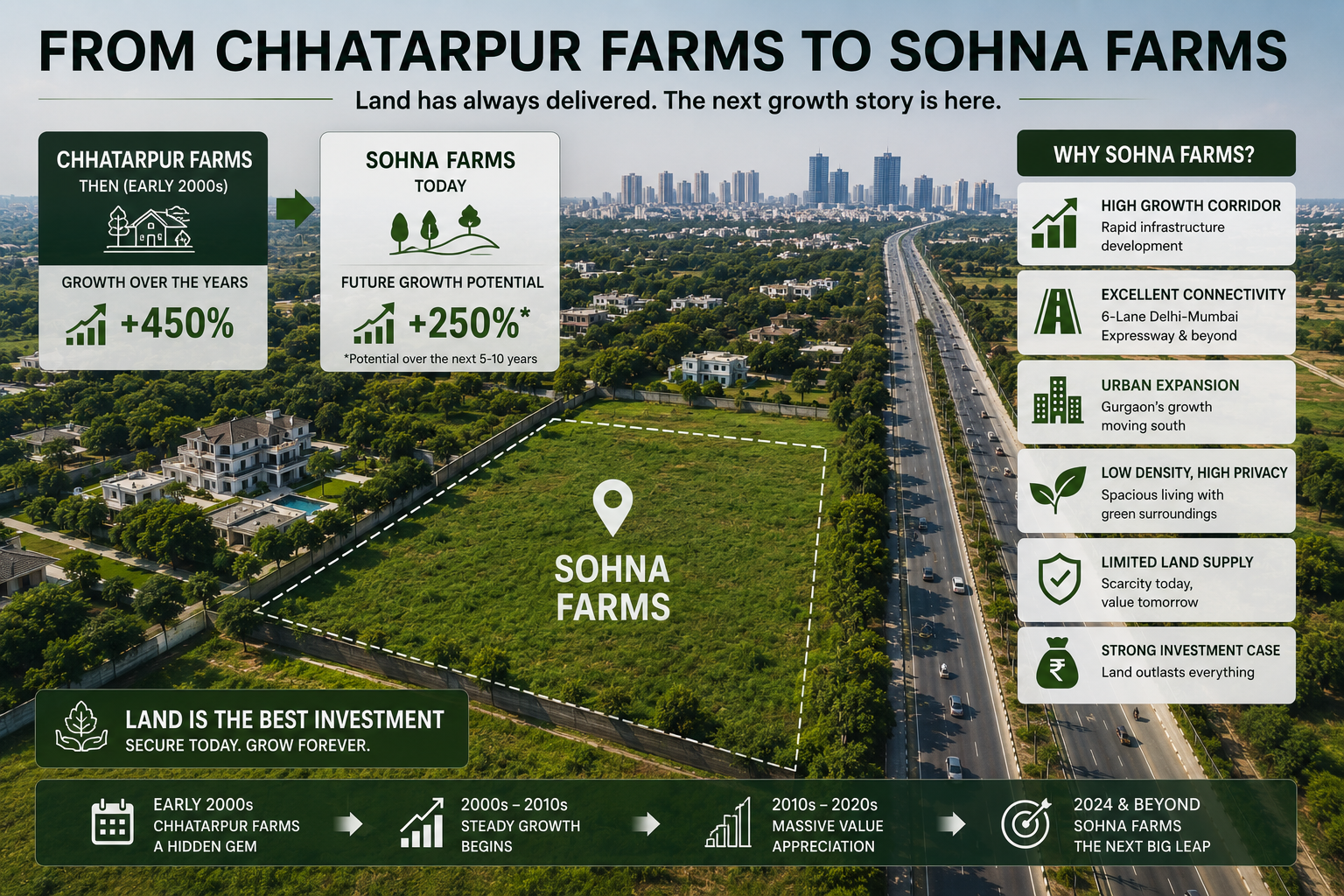
How Chhatarpur Farmhouses Created Multi-Crore Wealth for Early Buyers
What a quiet corner of South Delhi can teach investors about land, scarcity, and long-term wealth creation.
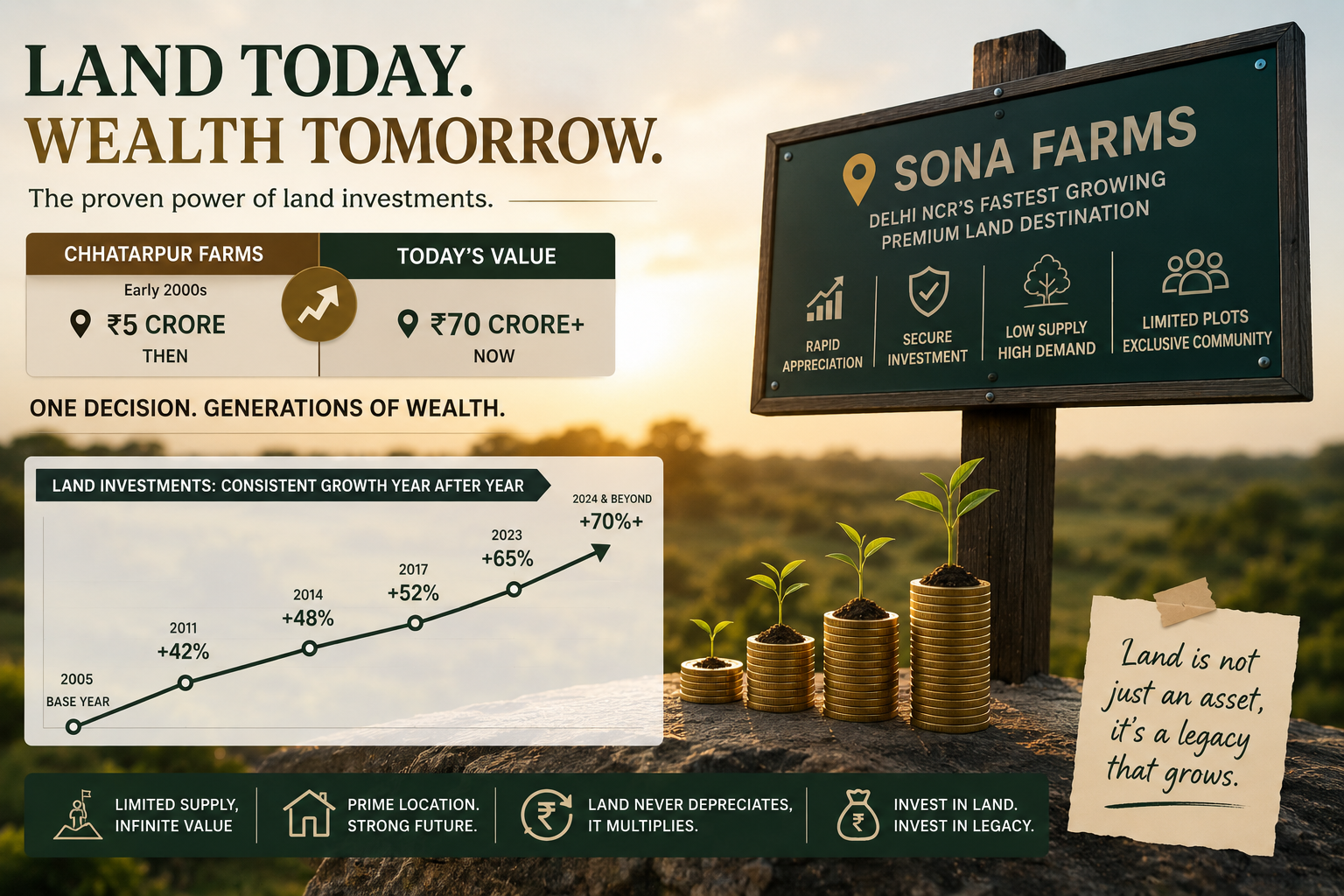
The ₹5 Crore Land Purchase That Became Worth ₹70 Crore
What the Story of DLF Chhatarpur Farms Reveals About Wealth Creation Through Premium Land Ownership
One short email. Stories you can use.
A free, occasional email from our editorial team with our latest features, explainers and reads. Unsubscribe any time — your email stays with us.