The Last Mile's Unsolvable Sum: UK Logistics Confronts a New Reality
British retailers are grappling with a fundamental shift in delivery economics, as consumer expectations for speed and affordability collide with soaring operational costs and environmental mandates. The traditional last-mile model faces an unprecedented reckoning.

At a Tesco distribution centre just north of London, the rhythmic whir of automated sorting equipment underscores an industry in constant motion. Yet, beyond the efficient hub, the journey to the consumer's doorstep, particularly for smaller, more frequent deliveries, is becoming an increasingly complex and expensive undertaking. This final leg of the supply chain, often called the 'last mile', is where the promise of convenience is tested and where many of the industry's most significant challenges now converge.
For years, the implicit understanding was that faster, cheaper delivery would always find a way. Online pure-plays like ASOS and Next built formidable businesses on the back of sophisticated logistics, while grocers such as Sainsbury's and Ocado revolutionised online food shopping. However, the external pressures have mounted dramatically. Fuel costs, labour shortages exacerbated by post-Brexit migration policies, and the rising price of commercial vehicles all erode already thin margins. The pursuit of ever-quicker delivery windows, offering same-day or even hourly slots, only intensifies these pressures.
The Cost of Convenience
The economics of home delivery are particularly stark in a country like the UK, characterised by dense urban areas alongside dispersed rural communities. A delivery van traversing central London might make dozens of drops in a few hours, but navigating country lanes for a single parcel delivery presents a drastically different cost-per-drop equation. Many retailers have hitherto absorbed a significant portion of these costs, viewing swift delivery as a critical competitive differentiator or a necessary concession to maintain market share. However, with inflation impacting every facet of operations, this cross-subsidy model is becoming unsustainable.
Consumer behaviour, conditioned by years of 'free delivery' offers, presents another hurdle. While a modest delivery charge of, say, £3-£5 might seem reasonable to cover some operational costs, it often triggers basket abandonment. Retailers are caught between the desire to pass on actual costs and the fear of alienating a customer base accustomed to subsidised convenience. This tension is particularly acute for food delivery platforms like Deliveroo and Just Eat, where the cumulative costs of individual restaurant orders often outstrip the actual delivery fee paid by the customer.
The expectation of instant gratification, coupled with a reluctance to pay its true cost, is creating an intractable problem for UK retail logistics.
Rethinking the Network
One potential path forward involves a fundamental reassessment of network design. Instead of simply pushing more vans onto the roads, companies are exploring diversified approaches. Click-and-collect, revitalised during the pandemic, remains a cost-effective alternative for many. Marks & Spencer, for instance, leverages its extensive store network for both food and clothing collections, reducing the need for direct home delivery in many instances. Parcel locker networks, expanding across the UK, offer another off-peak, high-density drop-off solution.
Technological advancements also hold promise, though not without their own set of challenges. Optimised routing software, predicting traffic patterns and consolidating deliveries more effectively, can yield marginal gains. Electric vehicles, while reducing fuel costs and emissions, come with significant upfront capital expenditure and require extensive charging infrastructure, a particular concern for last-mile carriers operating multiple vans. Autonomous delivery vehicles and drones, while captivating in concept, face considerable regulatory and social acceptance hurdles before widespread deployment in UK urban environments.
Ultimately, the industry confronts a moment of truth. The last mile cannot perpetually absorb rising costs while simultaneously meeting escalating consumer expectations without a recalibration of value. Whether this manifests as redesigned delivery fee structures, longer delivery windows, or a greater adoption of alternative collection methods, the era of effectively 'free' and instantaneous delivery across the UK appears to be drawing to a close, forcing both retailers and consumers to adapt to a more sustainable reality.
News Legacy maintains editorial independence. Some recommendations may contain affiliate links. We earn from qualifying purchases at no additional cost to you. Read our policy.
Read Next
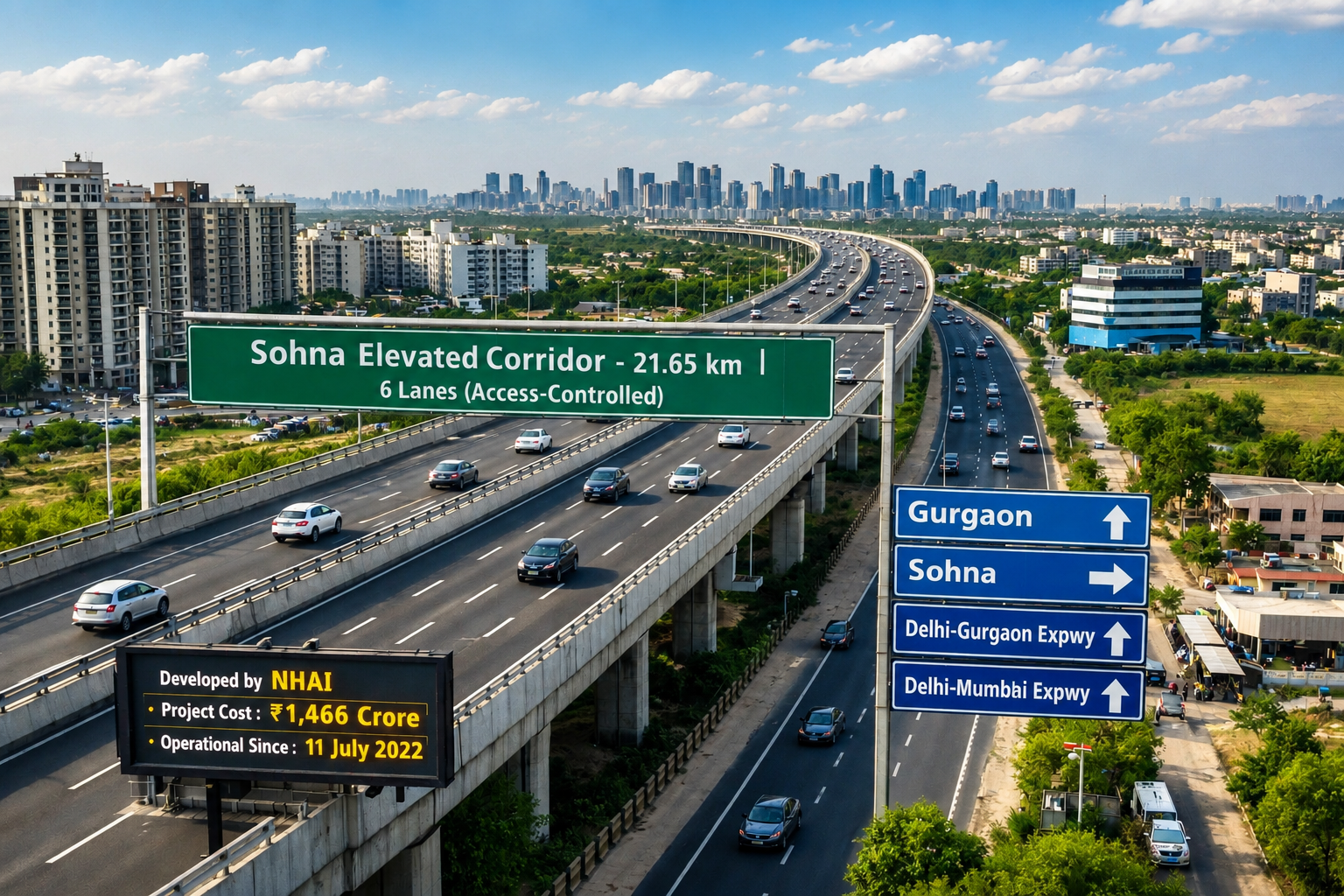
Is Sohna Really the Next Chhatarpur?
Three decades after Chhatarpur redrew South Delhi's map for space, privacy and exclusivity, a familiar pattern is now taking shape further south, and Sohna is where the smart money is beginning to look.
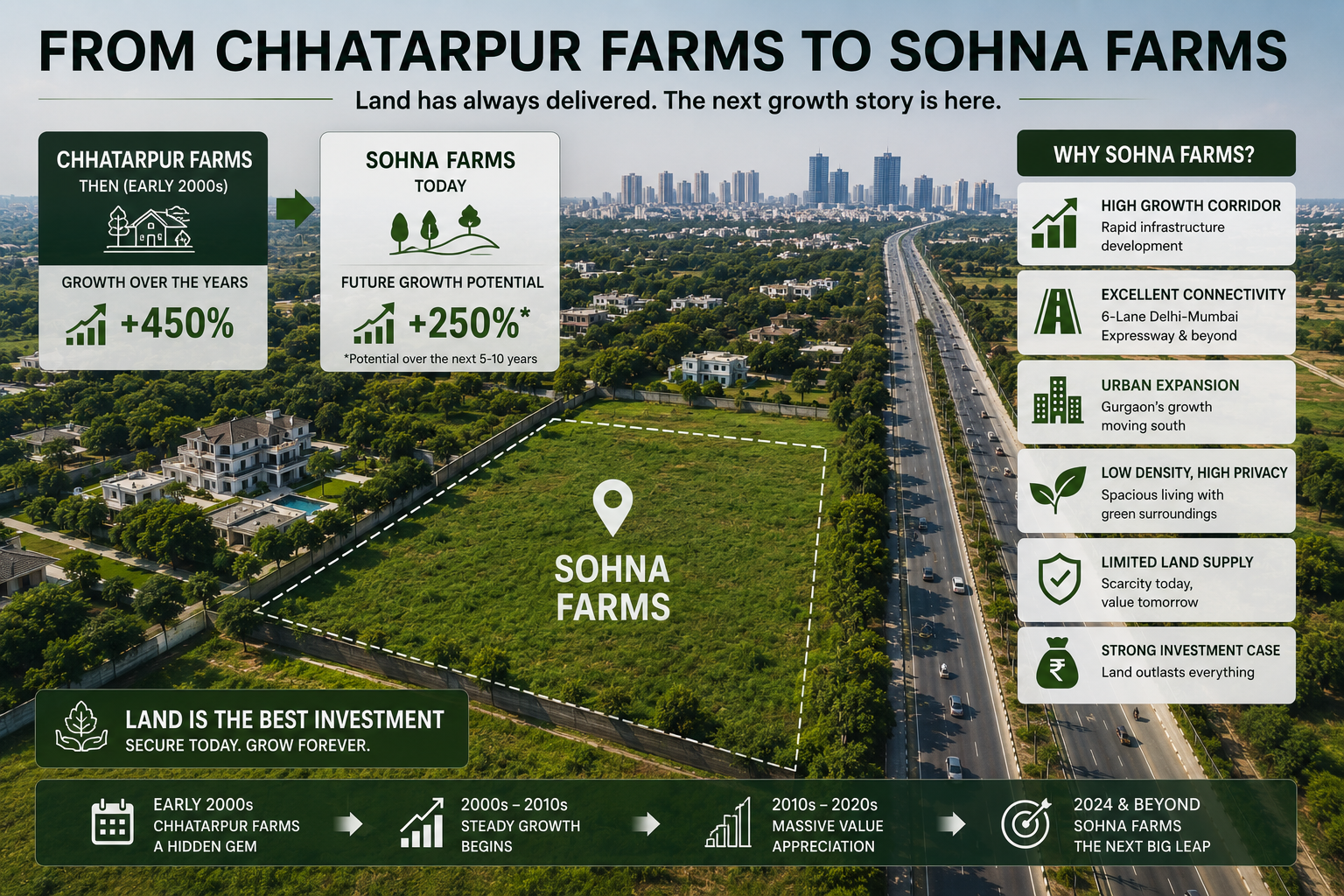
How Chhatarpur Farmhouses Created Multi-Crore Wealth for Early Buyers
What a quiet corner of South Delhi can teach investors about land, scarcity, and long-term wealth creation.
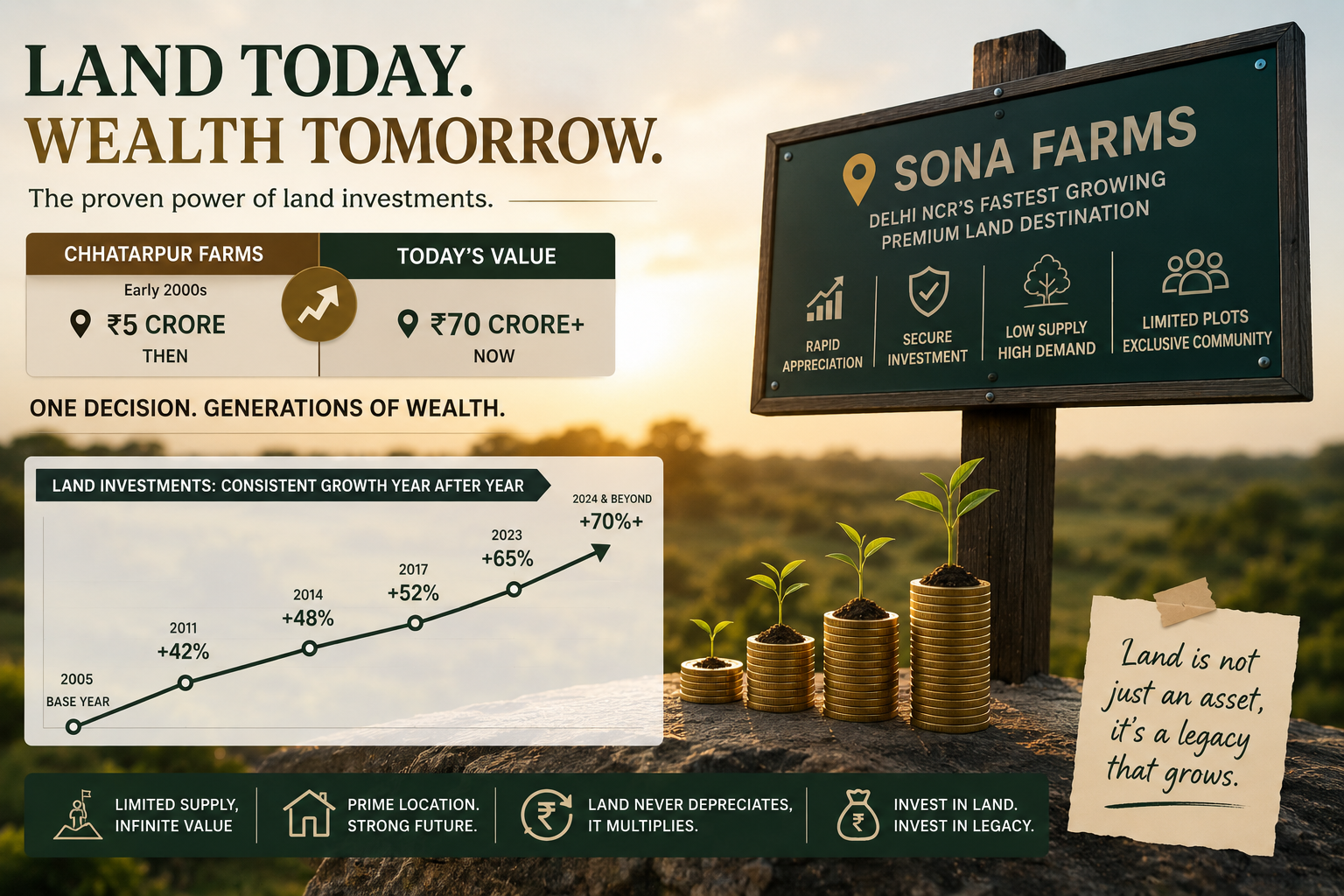
The ₹5 Crore Land Purchase That Became Worth ₹70 Crore
What the Story of DLF Chhatarpur Farms Reveals About Wealth Creation Through Premium Land Ownership
One short email. Stories you can use.
A free, occasional email from our editorial team with our latest features, explainers and reads. Unsubscribe any time — your email stays with us.