The Last Mile's Unstable Equilibrium: UK Retailers Grapple with Delivery Economics
Growing consumer expectations for speed and convenience are placing unprecedented strain on British retailers' logistics networks, forcing a re-evaluation of established last-mile strategies amid rising operational costs.

A Sainsbury's delivery van navigates a narrow residential street in North London, its electric motor a subtle hum against the morning traffic. This seemingly mundane scene encapsulates a profound and ongoing challenge for UK retail: the economics of the final journey to the customer’s door. While consumers have become accustomed to instant gratification, the underlying infrastructure and human capital required to meet this demand are proving increasingly costly for even the most established players.
The pandemic irrevocably altered the landscape of consumer behaviour, accelerating a shift towards e-commerce that pre-existed COVID-19. Companies like ASOS and Next, long-standing pillars of UK online fashion, benefited from this trend. However, the expectations set during lockdowns—next-day or even same-day delivery as standard, often at minimal or no additional cost—have become entrenched, creating a persistent pressure point for profitability.
This pressure is particularly acute for grocery giants. Tesco and Ocado, which have invested heavily in sophisticated automated warehouses and extensive delivery fleets, face the dual challenge of high fixed costs and the inherently low-margin nature of food retail. The average grocery basket, while ordered frequently, offers far less scope for offsetting delivery expenses compared to, for instance, a higher-value electronics purchase.
The Cost of Convenience
Analysis of carrier rates and fuel prices reveals a sustained upward trajectory over the past three years. The cost of diesel and petrol, despite recent fluctuations, remains elevated compared to pre-pandemic levels. Moreover, the tight labour market for delivery drivers, exacerbated by factors including Brexit, has led to increased wage demands. These elements combine to inflate the per-delivery cost, making free or heavily subsidised shipping an increasingly unsustainable proposition for many.
Retailers are exploring various remedies. Click-and-collect services, utilising existing store footprints as collection points, offer a partial solution by transferring some last-mile responsibility to the customer. Marks & Spencer, with its extensive high street presence, is well-positioned to leverage this model, reducing reliance on direct home delivery for a segment of its online orders. However, this does not fully address the demand for home delivery.
The expectation of instant access, nurtured by the success of platforms like Deliveroo and Just Eat, is now permeating general merchandise retail, compelling traditional players to adapt or risk obsolescence.
Another strategy involves more dynamic pricing for delivery slots, varying charges based on demand, time of day, and order value. While this risks customer alienation, the alternative—absorbing ever-higher costs—erodes already thin margins. Some companies are also investigating micro-fulfilment centres within urban areas, reducing the travel distance for final deliveries.
Automation also offers long-term promise. While fully autonomous delivery vehicles remain some years from widespread adoption in the UK, automated sorting and packing within depots can significantly improve efficiency. However, the capital expenditure required for such transformations is substantial, presenting a barrier for smaller retailers.
The equilibrium between consumer expectation and commercial viability in the last mile remains unstable. British retailers must continue to innovate in logistics, leveraging technology and reconsidering pricing models, to navigate these turbulent economic waters without compromising customer loyalty.
News Legacy maintains editorial independence. Some recommendations may contain affiliate links. We earn from qualifying purchases at no additional cost to you. Read our policy.
Read Next
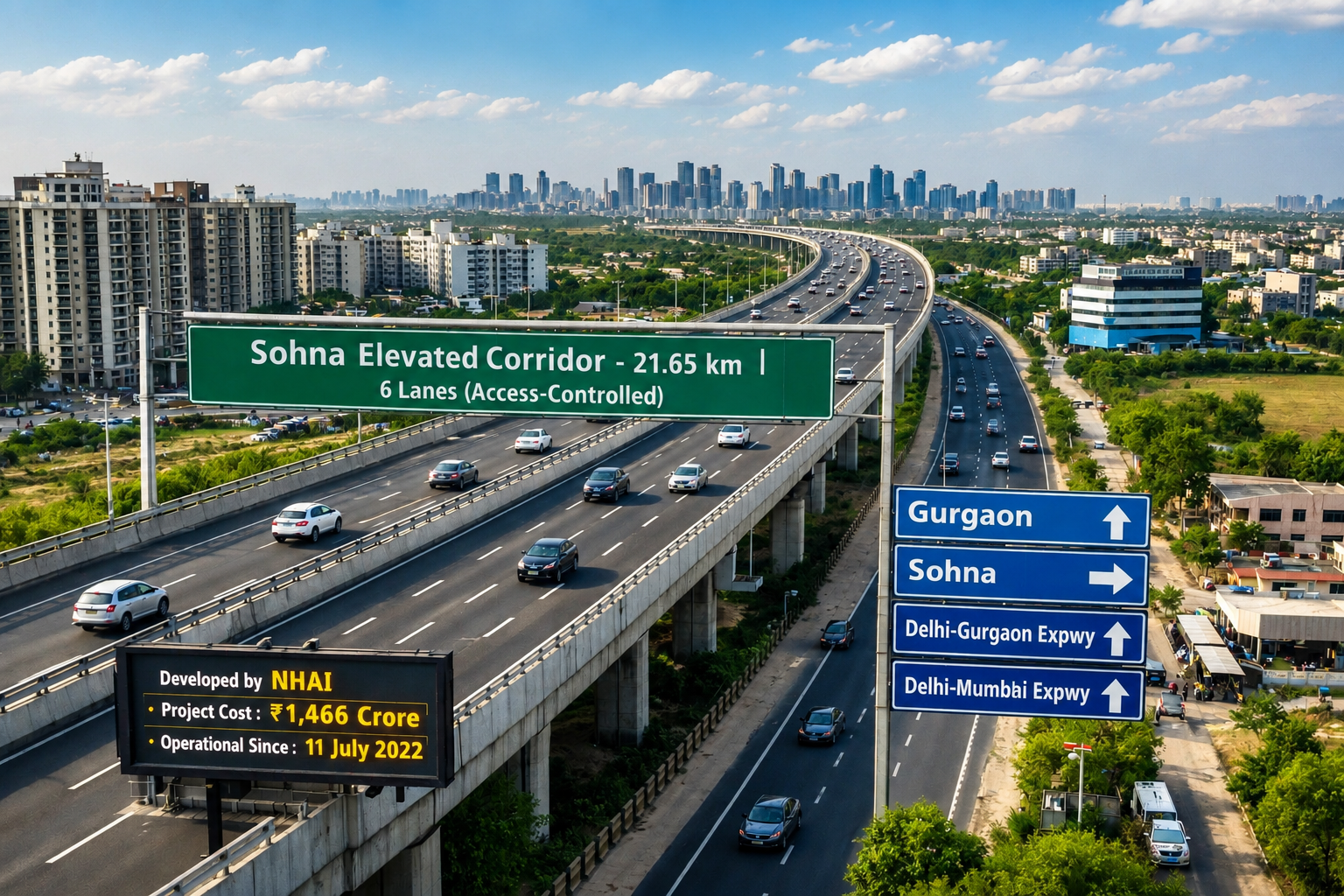
Is Sohna Really the Next Chhatarpur?
Three decades after Chhatarpur redrew South Delhi's map for space, privacy and exclusivity, a familiar pattern is now taking shape further south, and Sohna is where the smart money is beginning to look.
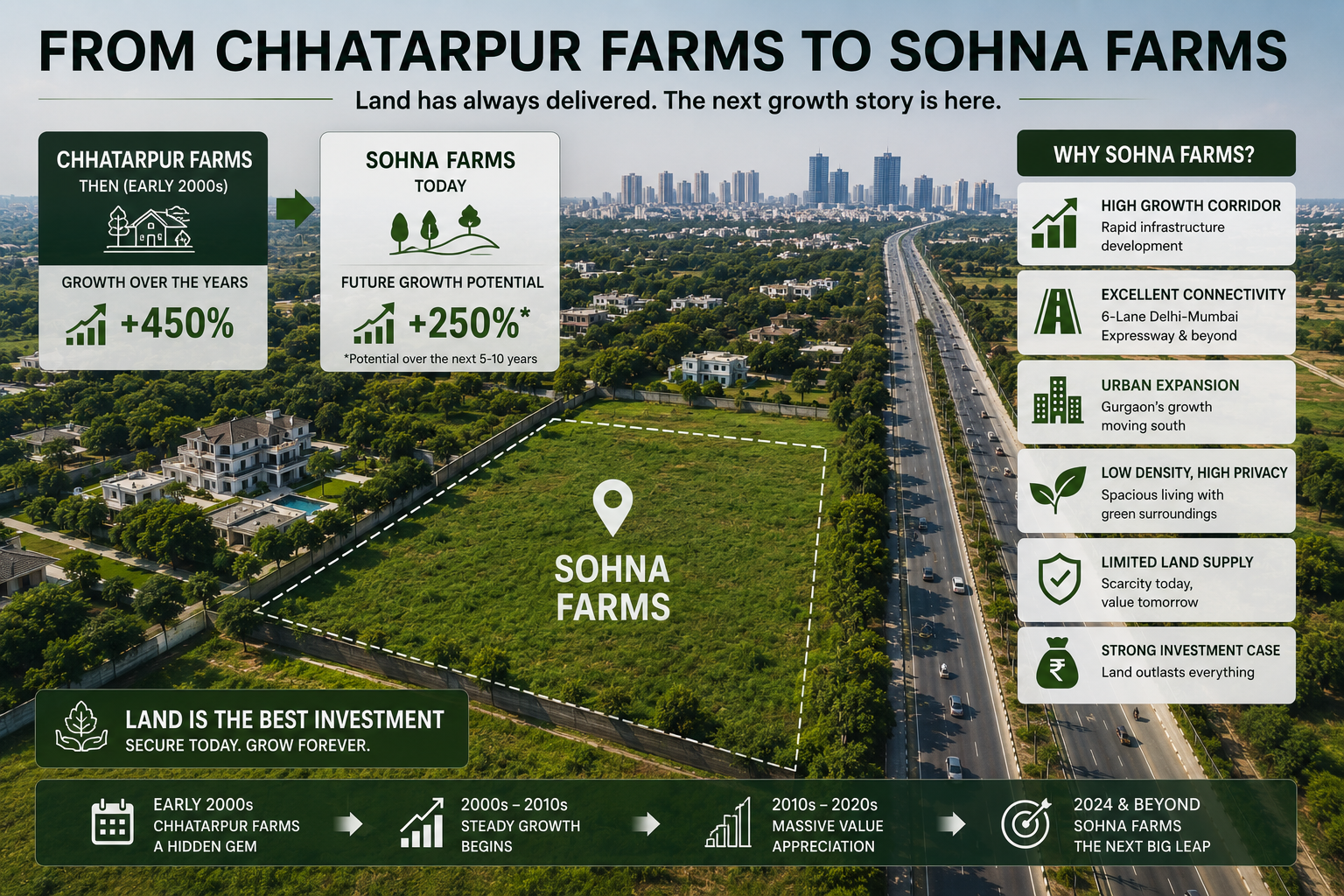
How Chhatarpur Farmhouses Created Multi-Crore Wealth for Early Buyers
What a quiet corner of South Delhi can teach investors about land, scarcity, and long-term wealth creation.
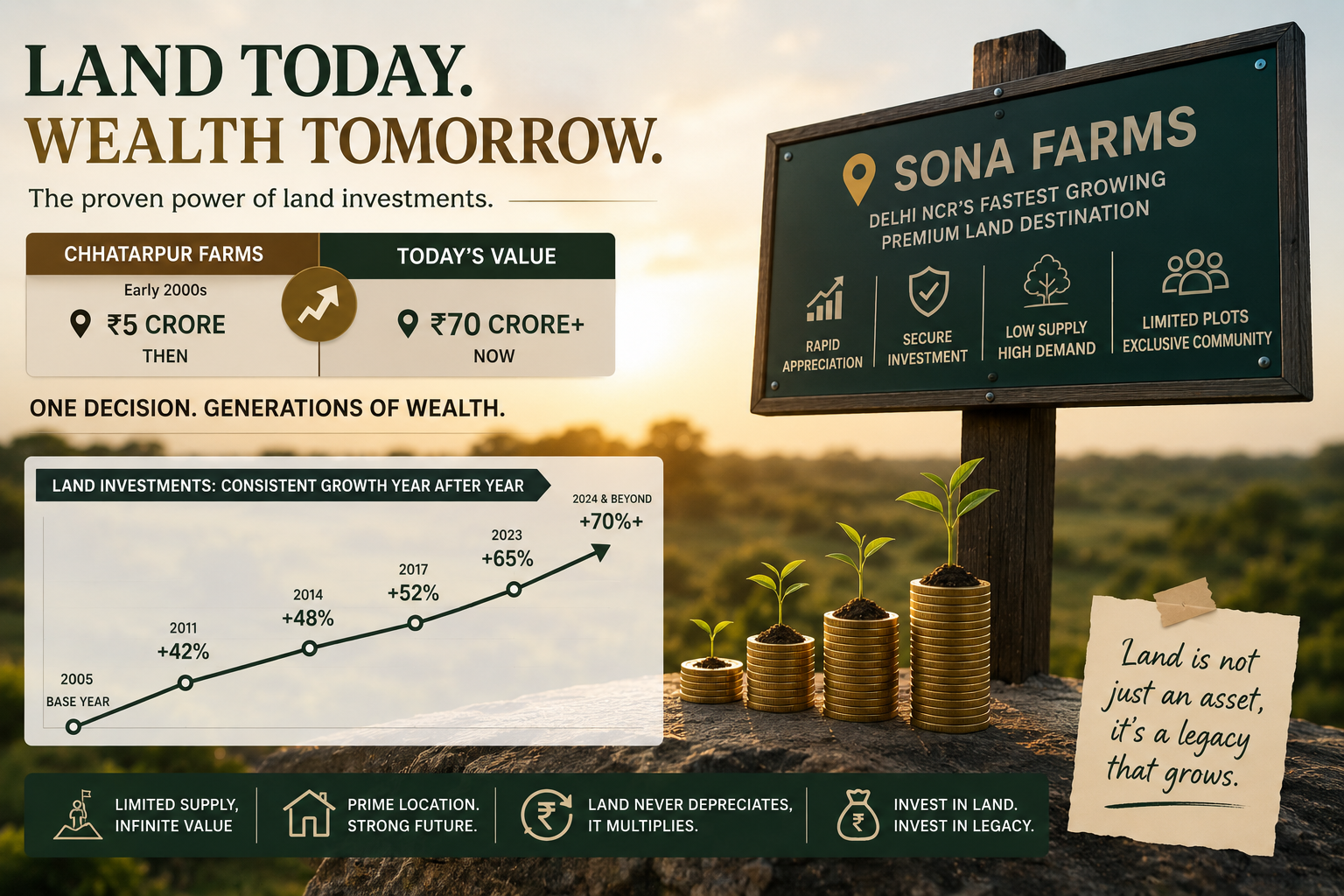
The ₹5 Crore Land Purchase That Became Worth ₹70 Crore
What the Story of DLF Chhatarpur Farms Reveals About Wealth Creation Through Premium Land Ownership
One short email. Stories you can use.
A free, occasional email from our editorial team with our latest features, explainers and reads. Unsubscribe any time — your email stays with us.