The Locker Belt: How Central Europe's Shoppers Outpaced the Instant-Delivery Mirage
As venture-backed rapid delivery retreats to dense urban pockets, continental households from Poznań to Lyon are settling into a hybrid cadence governed by automated parcel lockers, second-hand trade and entrenched national grocers.

In distribution corridors flanking Frankfurt, Lyon and Poznań, automated parcel lockers have quietly supplanted the courier van as the primary conduit of everyday commerce. Where Berlin-incubated delivery ventures once spent hundreds of millions of euros attempting ten-minute doorstep drop-offs, continental European retail has settled into a far sterner operational reality. The post-pandemic consumer is neither addicted to hyper-speed nor wedded to a single pan-European storefront. Instead, households across France, Germany and Poland are assembling fragmented baskets governed by acute price sensitivity and a preference for logistical control.
The Parcel Grid Supplanting the Courier
The collapse of early rapid-delivery flagships such as Gorillas and the disciplined retrenchment of Flink into tightly ring-fenced metropolitan zones marked the economic exhaustion of venture-subsidised immediacy. Unlike British or American consumers accustomed to parcels left unattended on porches, continental European shoppers have long resisted delivery ambiguity, driven partly by multi-family apartment tenancy and strict labour regulations that inflate the cost of final-mile attempts. In Poland, the ubiquity of automated collection terminals built out for Warsaw-listed Allegro proved that consumers would willingly walk two hundred metres to collect parcels at their own convenience rather than pay a premium for doorstep uncertainty.
That model has metastasised westward. In France, Cdiscount and regional carrier consortia have expanded automated drop networks to blunt the expense of failed dispatches. In the Low Countries, Bol relies on clustered collection infrastructure within supermarket networks to maintain operating margins against international competition. What venture capitalists misdiagnosed as an insatiable appetite for instantaneous delivery was, in truth, a consumer demand for predictable, low-cost fulfilment that does not require remaining housebound during working hours.
Second-Hand Flows and Mid-Market Compression
This logistical pivot coincides with a structural transformation in how continental shoppers acquire apparel. Vilnius-founded Vinted has evolved from a specialist peer-to-peer clothing forum into one of the most consequential transactional engines in European retail, routing millions of daily items across borders between buyers in Paris, sellers in Milan and distribution hubs in Madrid. The platform's success rests on low-cost locker-to-locker shipping tariffs, turning cross-border European re-commerce into a frictionless domestic habit.
The modern continental consumer does not view retail convenience as a matter of minutes, but as an equation balancing predictability, shipping surcharges, and secondary market value.
The broader effect on incumbent digital platforms has been punitive. Berlin-based Zalando has been forced to refine its inventory models and partner programmes as consumers increasingly benchmark off-price apparel against the endless supply of secondary-market stock. Even as the company reallocates capital towards higher-margin brand partnerships, the sheer volume of peer-to-peer trade across the Schengen zone has established an informal price cap on seasonal fast fashion, encouraging shoppers to treat their own wardrobes as revolving collateral rather than sunk costs.
Defending the Food Basket
Food retail exhibits an equally fierce territorial defence. While Carrefour in France and REWE in Germany have invested heavily in automated micro-fulfilment centres to serve high-density suburban catchments, the hard discounters continue to dictate broader consumer sentiment. Led by Lidl and the Aldi twins, deep-discount operators have expanded their non-food rotational aisles, absorbing household discretionary spend that previously migrated to digital platforms. The average German or Spanish family remains fundamentally unwilling to surrender grocery margins to digital aggregators when physical discount stores sit within short driving radii.
The resulting shopping culture is thoroughly decentralised. Rather than consolidating under a single American-style digital monopoly, the European Union remains tethered to sovereign domestic payment rails—from Poland's BLIK to the Dutch iDEAL ecosystem—and resilient national retail champions. For commercial strategists who assumed Europe would eventually homogenise into a uniform, single-click consumer market, the continent's steadfast preference for regional platforms, circular garments and metal collection lockers demonstrates that domestic geography still dictates the retail ledger.
News Legacy maintains editorial independence. Some recommendations may contain affiliate links. We earn from qualifying purchases at no additional cost to you. Read our policy.
Read Next
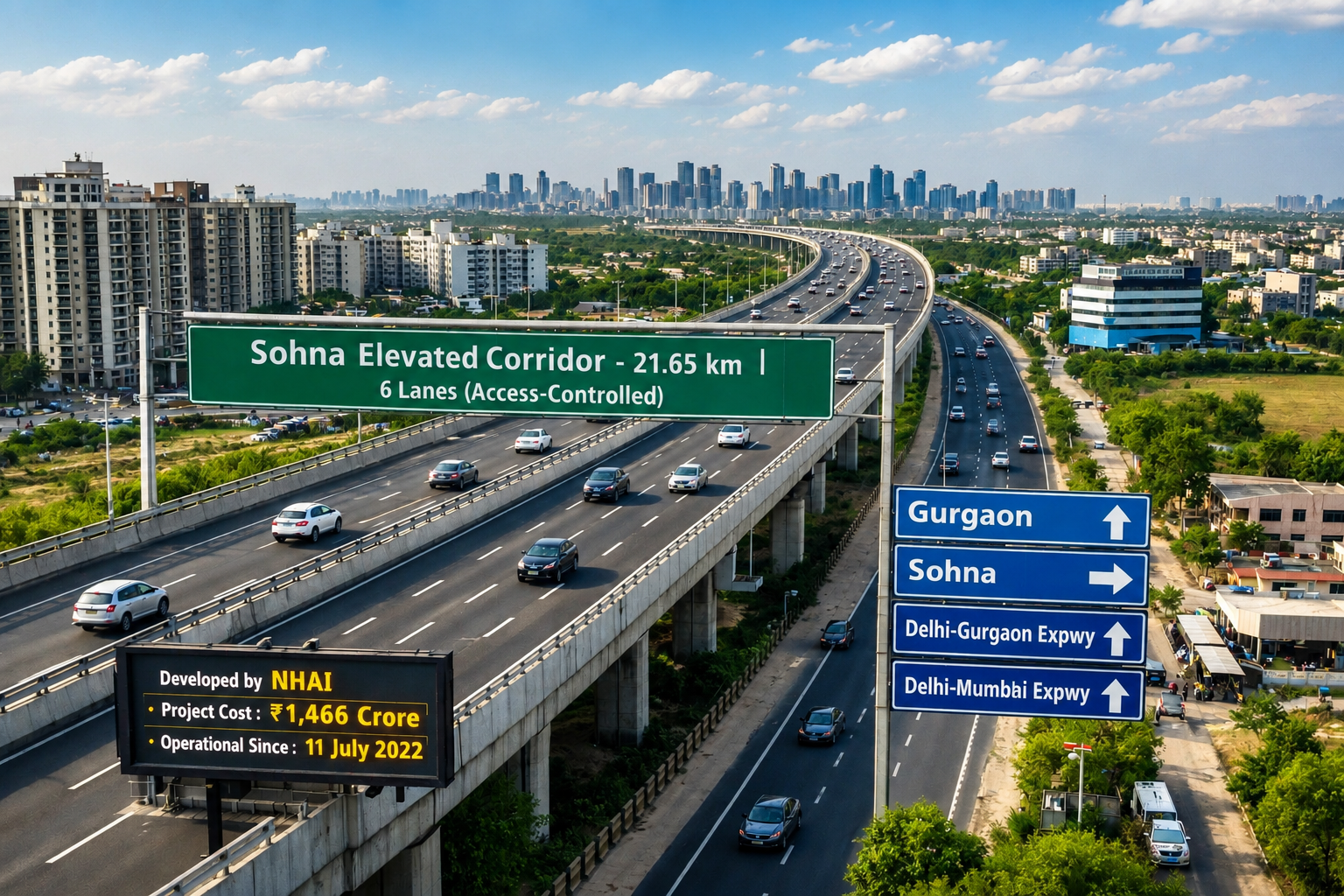
Is Sohna Really the Next Chhatarpur?
Three decades after Chhatarpur redrew South Delhi's map for space, privacy and exclusivity, a familiar pattern is now taking shape further south, and Sohna is where the smart money is beginning to look.
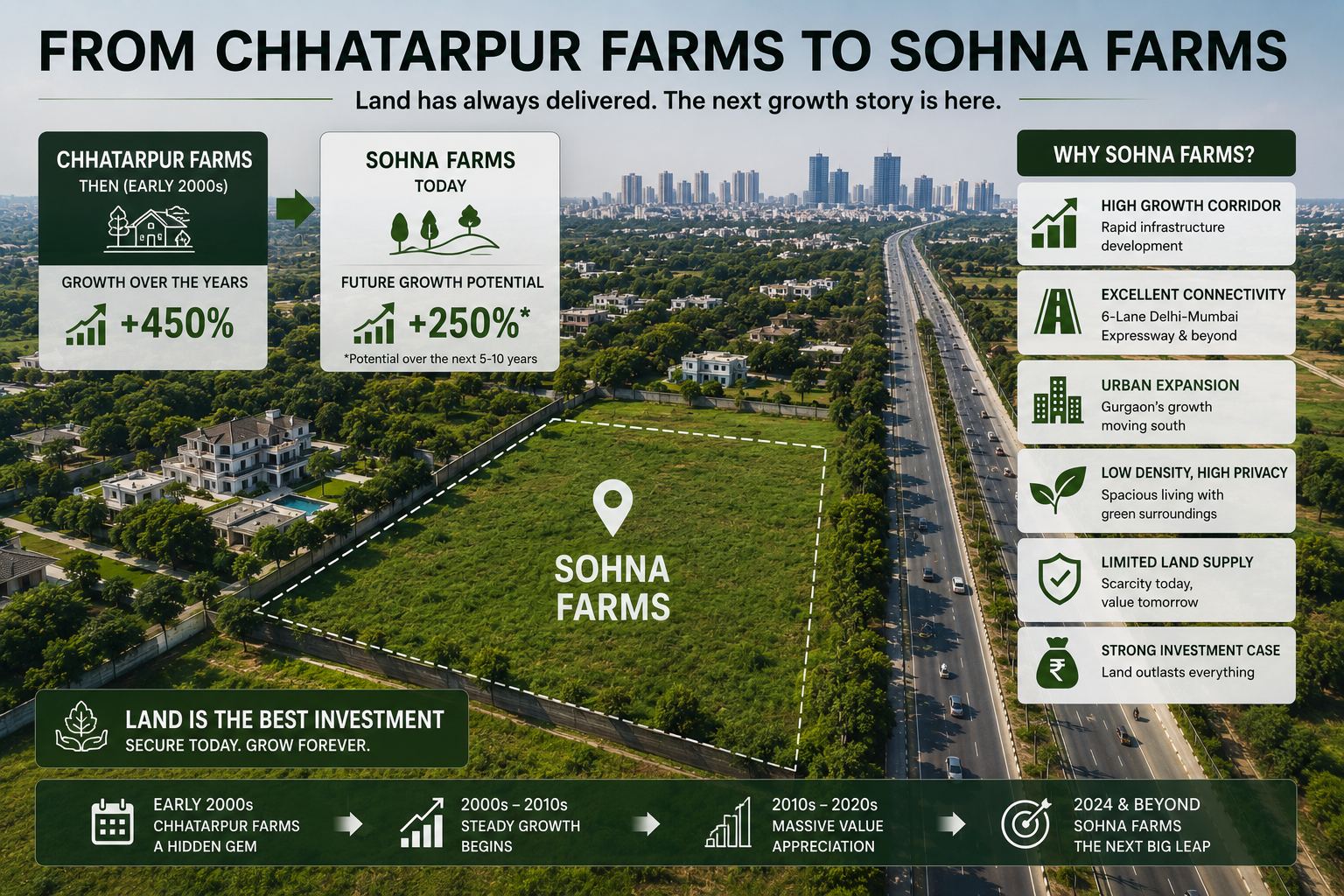
How Chhatarpur Farmhouses Created Multi-Crore Wealth for Early Buyers
What a quiet corner of South Delhi can teach investors about land, scarcity, and long-term wealth creation.

The ₹5 Crore Land Purchase That Became Worth ₹70 Crore
What the Story of DLF Chhatarpur Farms Reveals About Wealth Creation Through Premium Land Ownership
One short email. Stories you can use.
A free, occasional email from our editorial team with our latest features, explainers and reads. Unsubscribe any time — your email stays with us.