The Logistics Partition: How Automated Fulfillment Is Splitting American Retail Margins
While Walmart and Amazon consolidate their grip on domestic supply chains through capital-intensive automation, mid-tier competitors face compounding costs from outsourced delivery partnerships.

Inside an expansive distribution facility outside Dallas, automated gantries retrieve grocery crates at speeds no human picker could match, feeding a continuous stream of outbound vans dispatched across north Texas. The site represents Walmart's multi-billion-dollar response to Amazon's regionalized logistics overhaul, marking a profound divergence in how America's largest merchants engineer order fulfillment. What began as an operational race to shorten delivery windows has hardened into a structural barrier to entry, leaving rivals with precarious choices between heavy capital expenditure and margin-diluting third-party intermediaries.
For the past three years, the domestic retail narrative focused on consumer resilience amid stubborn inflation and fluctuating borrowing costs. Beneath that macroeconomic surface, however, the balance sheet mechanics of moving physical goods shifted decisively. Amazon and Walmart now capture outsized shares of incremental consumer spending precisely because their per-order delivery economics improve with volume, whereas peers reliant on third-party couriers face fixed or escalating variable fees on every basket.
The High Toll of Outsourced Delivery
Retailers that bypassed internal logistics investments in favor of platform partnerships now find their unit economics under acute strain. Target, which acquired Shipt to secure an internal fulfillment channel, has nevertheless struggled to match the route densities achieved by its larger rivals, resulting in compressed digital operating margins during peak promotional quarters. Regional supermarket chains and specialty merchants utilizing Instacart face an even harsher arithmetic, surrendering transaction data and mid-single-digit commission fees while offering shoppers prices that frequently carry markups over shelf rates.
The consumer friction generated by these markups is visible in transactional data. Household budgets, squeezed by cumulative grocery inflation exceeding twenty percent over recent years, increasingly migrate toward operators that absorb delivery overhead without inflating basket totals. Costco has maintained its disciplined posture by keeping delivery options deliberately unbundled, protecting warehouse margins rather than chasing unprofitable parcel velocity.
Retail logistics is no longer an operational expense to be minimized; it has become the primary pricing weapon in high-frequency consumer categories.
The Marketplace Alternative and Platform Squeeze
Independent merchants seeking to circumvent corporate retail ecosystems face an equally complicated calculus. Shopify has systematically steered its merchant base toward decentralized software tools rather than building out its own physical freight network, effectively delegating logistics risk back to brand owners. Meanwhile, TikTok Shop has entered the domestic market with aggressive fulfillment subsidies and promotional spending, attempting to establish logistics density before its venture-style funding yields to standard commercial disciplines.
Yet the durable advantage remains anchored in physical infrastructure. Amazon's decision to divide its continental delivery grid into distinct geographic zones reduced line-haul transit mileage and lowered fulfillment cost per unit for the first time in five years. Walmart has matched that operational leverage by converting hundreds of Supercenters into hybrid fulfillment nodes, using automated backrooms to fulfill digital grocery orders within minutes of receipt.
As domestic consumer spending settles into a period of measured growth, the retail sector is bifurcating along logistics lines. The operators that command proprietary, automated infrastructure can protect operating margins while holding prices steady; those paying tolls to digital aggregators or managing manual pick-and-pack operations will see their cash flows steadily eroded by the cost of the final mile.
News Legacy maintains editorial independence. Some recommendations may contain affiliate links. We earn from qualifying purchases at no additional cost to you. Read our policy.
Read Next
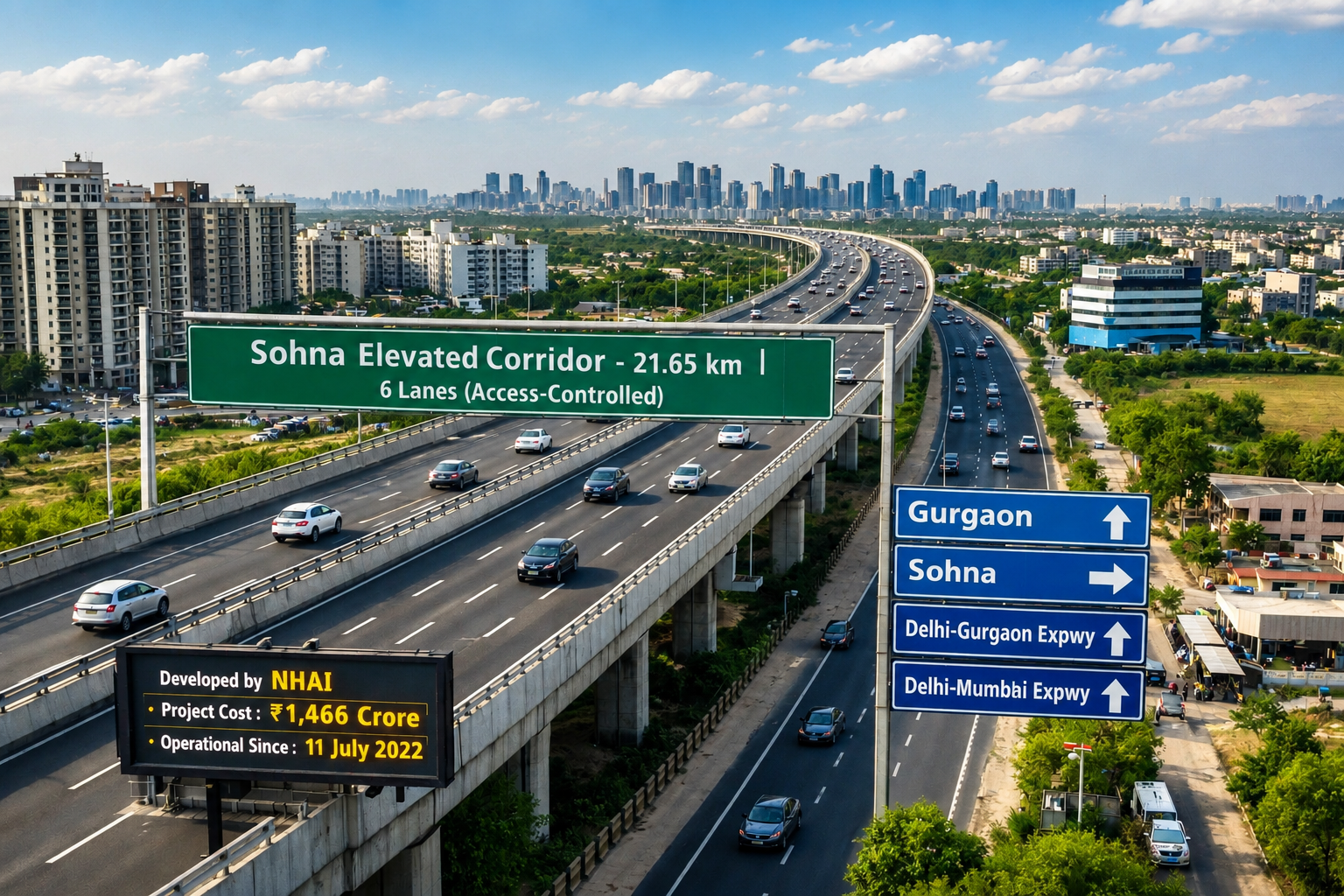
Is Sohna Really the Next Chhatarpur?
Three decades after Chhatarpur redrew South Delhi's map for space, privacy and exclusivity, a familiar pattern is now taking shape further south, and Sohna is where the smart money is beginning to look.
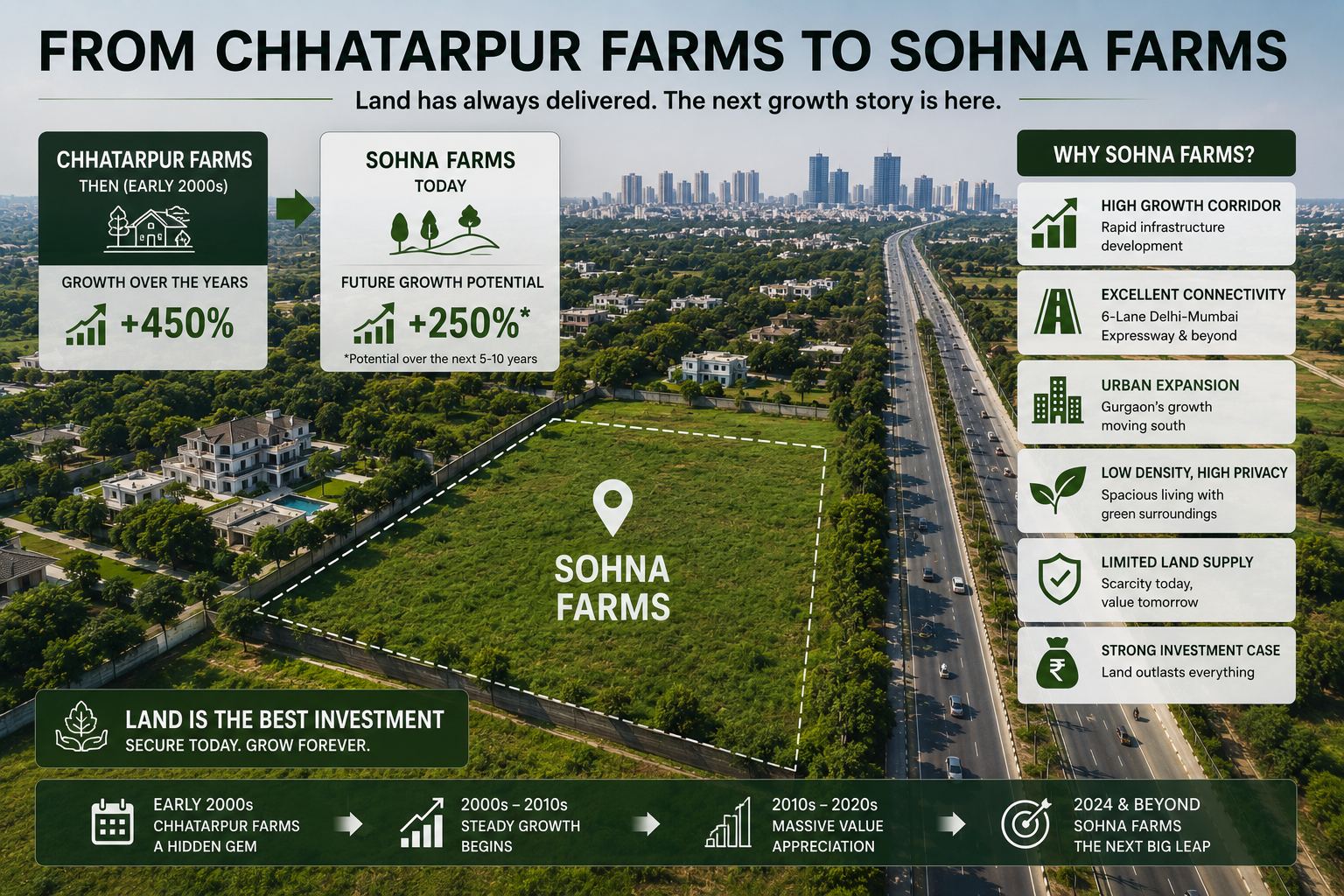
How Chhatarpur Farmhouses Created Multi-Crore Wealth for Early Buyers
What a quiet corner of South Delhi can teach investors about land, scarcity, and long-term wealth creation.
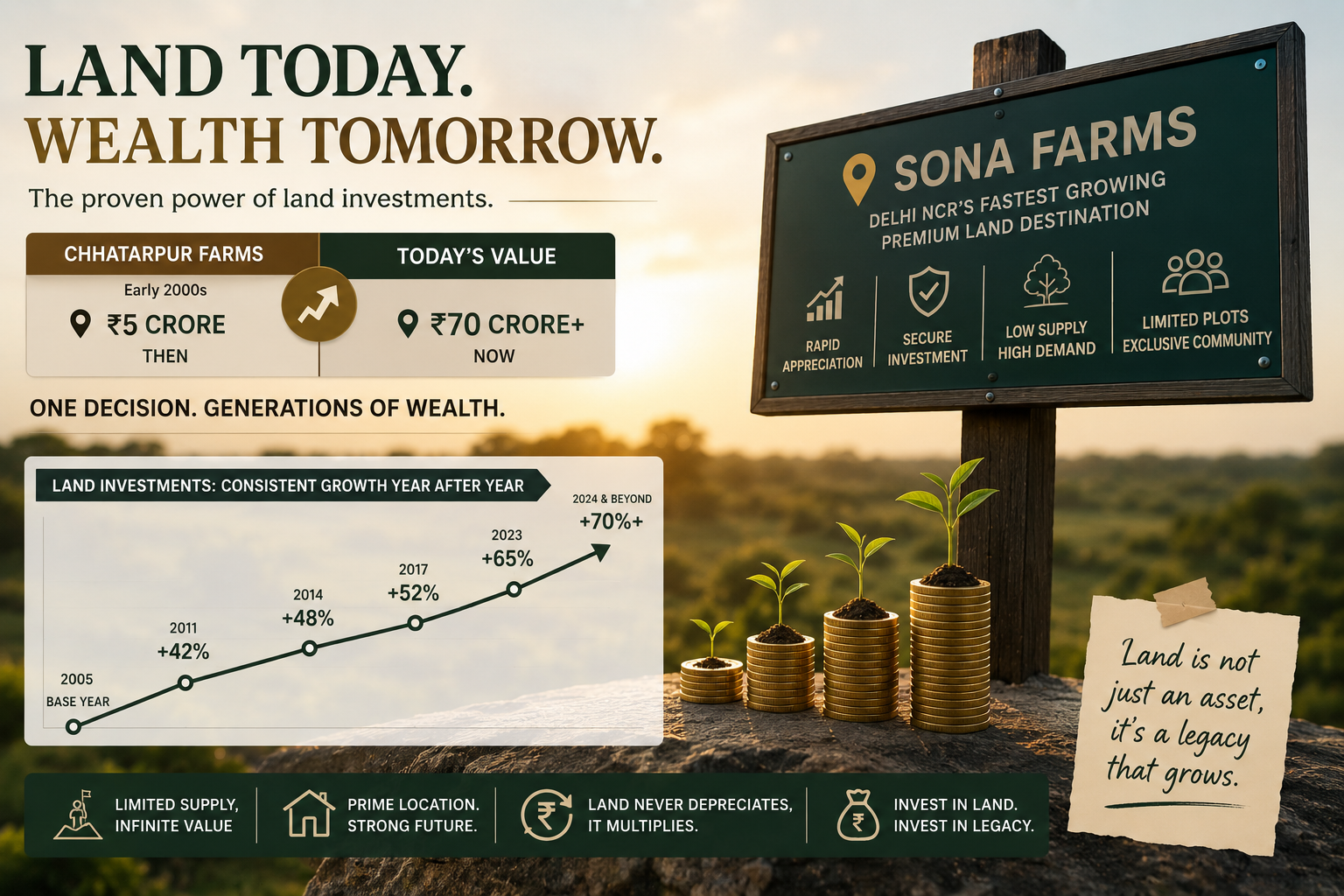
The ₹5 Crore Land Purchase That Became Worth ₹70 Crore
What the Story of DLF Chhatarpur Farms Reveals About Wealth Creation Through Premium Land Ownership
One short email. Stories you can use.
A free, occasional email from our editorial team with our latest features, explainers and reads. Unsubscribe any time — your email stays with us.