The Long Haul: Europe's E-Commerce Logistics Reckoning
European retailers and logistics firms are navigating a period of profound re-evaluation. A decade of hyper-growth in e-commerce has exposed deep-seated infrastructure challenges and strategic vulnerabilities, demanding significant capital allocation and innovation.

From the vast automated fulfilment centres serving Zalando in Germany to the local parcel hubs distributing goods for Carrefour in France, the machinery of European e-commerce is under unprecedented strain. The past five years, marked by a pandemic-driven surge in online shopping, have amplified long-standing inefficiencies and highlighted the critical importance of a robust logistics backbone. What was once a competitive advantage for early digital adopters has now become a fundamental cost of doing business, often with razor-thin margins.
The initial land rush for speed and convenience, epitomised by the rapid expansion of grocery delivery services such as the now-defunct Gorillas and Flink, demonstrated both the potential and the perils of aggressive scaling. While these ventures attracted significant venture capital, their operational models often proved unsustainable without an underlying foundation of mature logistics networks. The current environment, characterised by higher interest rates and inflationary pressures, demands a more disciplined approach to supply chain investment.
Cross-border e-commerce, a celebrated engine of European integration, presents a particularly complex puzzle. A French consumer ordering from a German online retailer like Allegro, or a Polish buyer acquiring goods from a Dutch platform like Bol.com, relies on a patchwork of national carriers and last-mile specialists. Each border typically introduces additional customs procedures, language barriers, and differing regulatory frameworks, adding both cost and transit time. The promise of a seamless digital single market frequently falters at the physical delivery stage.
The Last-Mile Challenge
The final leg of delivery, known as the 'last mile', represents the highest cost component of the entire logistics chain, often accounting for 40-50% of total shipping expenses. Dense urban areas, while offering high customer concentrations, also present significant operational hurdles, including traffic congestion, limited parking, and increasingly stringent emissions regulations. Companies are exploring a diverse range of solutions, from expanding parcel locker networks to deploying electric vehicles and even experimenting with autonomous delivery robots in controlled environments.
Retailers like Lidl and REWE, traditionally strong in brick-and-mortar operations, are grappling with the intricacies of e-commerce fulfilment, including temperature-controlled delivery for groceries. Their deep physical footprint offers potential advantages for click-and-collect models, but integrating online ordering with existing store operations requires substantial investment in technology and staff training. The shift from palletised wholesale delivery to individual customer orders is a fundamental re-engineering of their supply chains.
The resilience of a retail business is now inextricably linked to the agility and efficiency of its underlying logistics infrastructure. Businesses that fail to innovate in this area risk ceding market share to more nimble competitors.
Capitalising on Returns and Reverse Logistics
Beyond outbound shipping, the management of returns has emerged as another critical area for optimisation. Platforms like Vinted, specialising in second-hand fashion, inherently manage a form of peer-to-peer logistics, but for new goods, consumer expectations for easy returns add another layer of complexity. The sheer volume of returned items, particularly in apparel where return rates can exceed 30% for online purchases, necessitates sophisticated reverse logistics operations to minimise waste and recapture value.
Investment in automation, from robotic sorting systems in warehouses to predictive analytics for inventory management, is no longer a luxury but a strategic imperative. Major players are committing significant capital: one European logistics group recently announced a €150 million investment over the next three years to upgrade its continental parcel network, focusing on enhanced sorting capacity and greater route optimisation. These investments are crucial for managing rising volumes efficiently and mitigating the impact of labour shortages.
Ultimately, the European e-commerce landscape is moving towards a more consolidated and technologically advanced logistics ecosystem. The winners will be those companies that can effectively integrate their digital storefronts with robust, sustainable, and cost-effective physical distribution networks, spanning multiple countries and accommodating a variety of product categories. This requires a long-term strategic vision, not just tactical responses to immediate market pressures.
News Legacy maintains editorial independence. Some recommendations may contain affiliate links. We earn from qualifying purchases at no additional cost to you. Read our policy.
Read Next
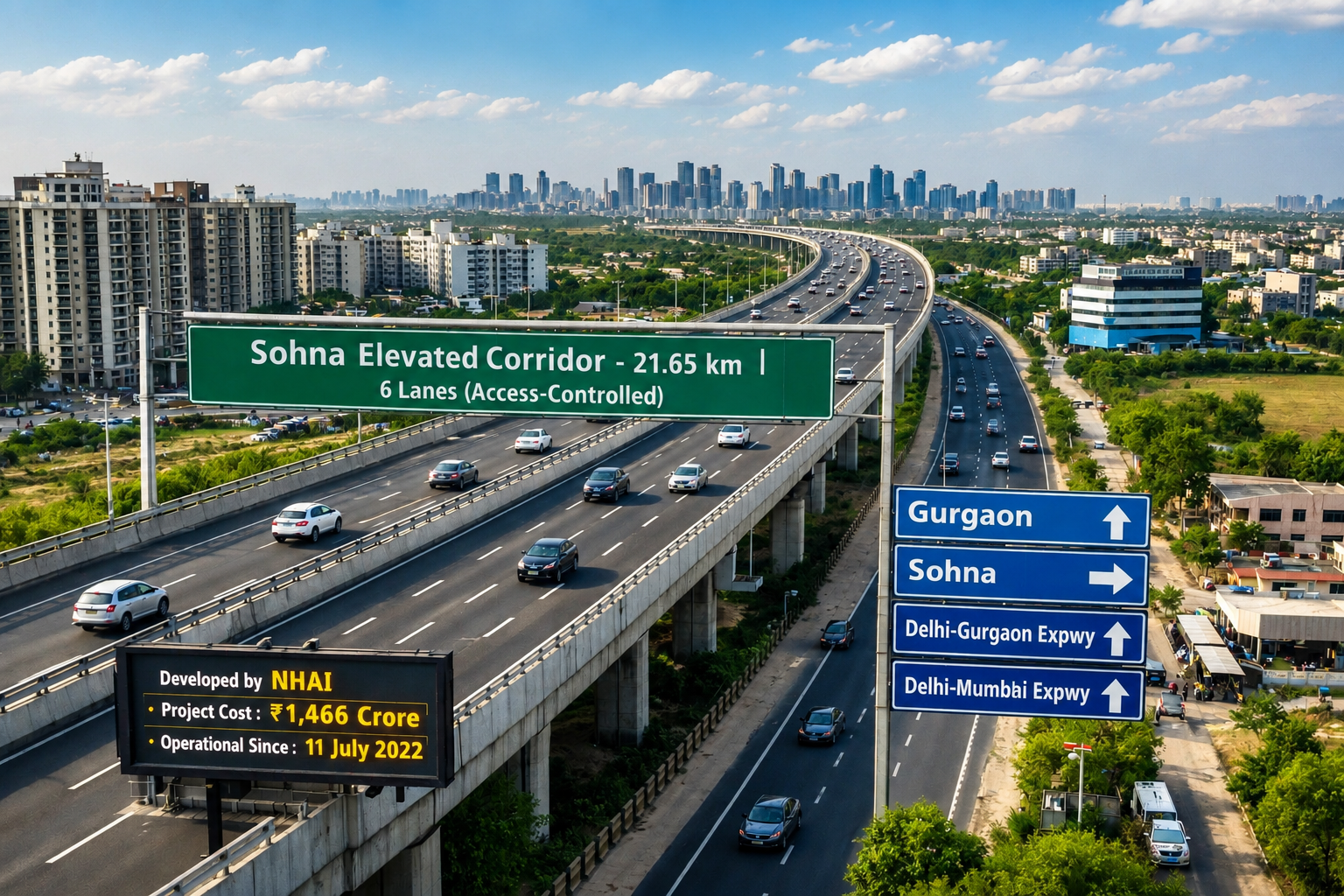
Is Sohna Really the Next Chhatarpur?
Three decades after Chhatarpur redrew South Delhi's map for space, privacy and exclusivity, a familiar pattern is now taking shape further south, and Sohna is where the smart money is beginning to look.

How Chhatarpur Farmhouses Created Multi-Crore Wealth for Early Buyers
What a quiet corner of South Delhi can teach investors about land, scarcity, and long-term wealth creation.

The ₹5 Crore Land Purchase That Became Worth ₹70 Crore
What the Story of DLF Chhatarpur Farms Reveals About Wealth Creation Through Premium Land Ownership
One short email. Stories you can use.
A free, occasional email from our editorial team with our latest features, explainers and reads. Unsubscribe any time — your email stays with us.