The Margin Guard: How Britain’s Retailers Are Weaponising Predictive AI to Cull Hidden Costs
Confronting stubborn overheads and cautious consumer demand, the country's dominant grocers and apparel houses are quietly shifting computational firepower from experimental chatbots to cold margin preservation.

Within the cavernous distribution centres flanking the M1 logistics corridor, the commercial calculus governing British commerce has quietly changed. The pursuit of frictionless, growth-at-all-costs digital retail has yielded to an austere campaign for basis points. At Marks & Spencer, automated replenishment systems now parse hourly weather forecasts and local demographic rhythms to adjust perishable orders for provincial high street food halls. Meanwhile, in Hatfield, Ocado Group continues to refine automated grid systems where crane speeds and routing permutations are recalibrated dynamically to reduce energy consumption per ambient tote.
This operational pivot reflects an unforgiving macro environment. Caught between successive national living wage increases, higher business rates, and consumers whose discretionary budgets remain fragile following two years of acute inflation, retailers can no longer afford blunt discounting or misjudged stocking allocations. Machine learning is no longer viewed as a speculative front-end marketing toy; it has become the primary mechanism through which chief financial officers defend operating margins hovering between three and five per cent.
The Discretionary Squeeze on Fast Fashion
Nowhere is this algorithmic discipline more urgent than in digital apparel, where reverse logistics have historically hollowed out unit economics. For pureplays such as ASOS, alongside omnichannel bellwethers like Next, processing a returned parcel often costs upwards of seven pounds once postage, quality assessment, steaming, and repackaging are factored into the ledger. In response, engineering teams have spent the past eighteen months training predictive models on aggregated sizing telemetry and past return propensities.
Rather than simply presenting shoppers with an algorithmic recommendation carousel, these platforms increasingly deploy probabilistic models behind the scenes. If a user’s checkout basket contains two adjacent sizes of the same high-margin evening dress—a standard consumer habit across Britain—back-end systems can now calculate whether offering a targeted, size-assurance prompt or an immediate minor price concession on alternative dimensions yields a lower terminal cost than absorbing the inevitable return parcel three weeks later. Underperforming customer cohorts, once tolerated for headline user metrics, face algorithmically tiered delivery charges and revised returns policies designed to deter unprofitable browsing habits.
Personalisation as Price Protection
The era of indiscriminate volume pursuit has yielded to automated triage, where computational models quietly decide which transactions are worth the operational friction.
Simultaneously, the high-volume grocery battle between Tesco and J Sainsbury has migrated into micro-targeted price architecture. The widespread adoption of Tesco Clubcard Prices and Sainsbury’s Nectar Prices has effectively partitioned shelf-edge economics. Instead of committing to across-the-board price reductions that erode gross margins, computational models ingest millions of historical till taps each weekend, calculating the minimum discount threshold required to retain brand loyalty against hard discounters Aldi and Lidl.
For rapid-delivery platforms such as Deliveroo and Just Eat, mathematical efficiency is an existential defence against plateauing post-pandemic order volumes. Dispatch models now factor in kitchen assembly delays, hyperlocal courier congestion, and micro-climatic shifts to dynamically calibrate merchant commission tiers and consumer-facing delivery surcharges in real time. The goal is no longer simply expanding geographical coverage, but eliminating unpaid minutes between collections.
Yet this creeping algorithmic ubiquity brings strategic liabilities. The Competition and Markets Authority has already signalled heightened vigilance regarding computational pricing structures, scrutinising whether personalised discounts obscure underlying tariff inflation or systematically disadvantage offline, cash-dependent demographics. Furthermore, there remains the delicate challenge of brand sentiment: should shoppers perceive that algorithmic vigilance has tipped over into nickel-and-dime surveillance, the churn will be swift. For now, however, British executive committees view predictive mathematics not as an optional moderniser, but as the only plausible hedge against domestic economic stagnation.
News Legacy maintains editorial independence. Some recommendations may contain affiliate links. We earn from qualifying purchases at no additional cost to you. Read our policy.
Read Next
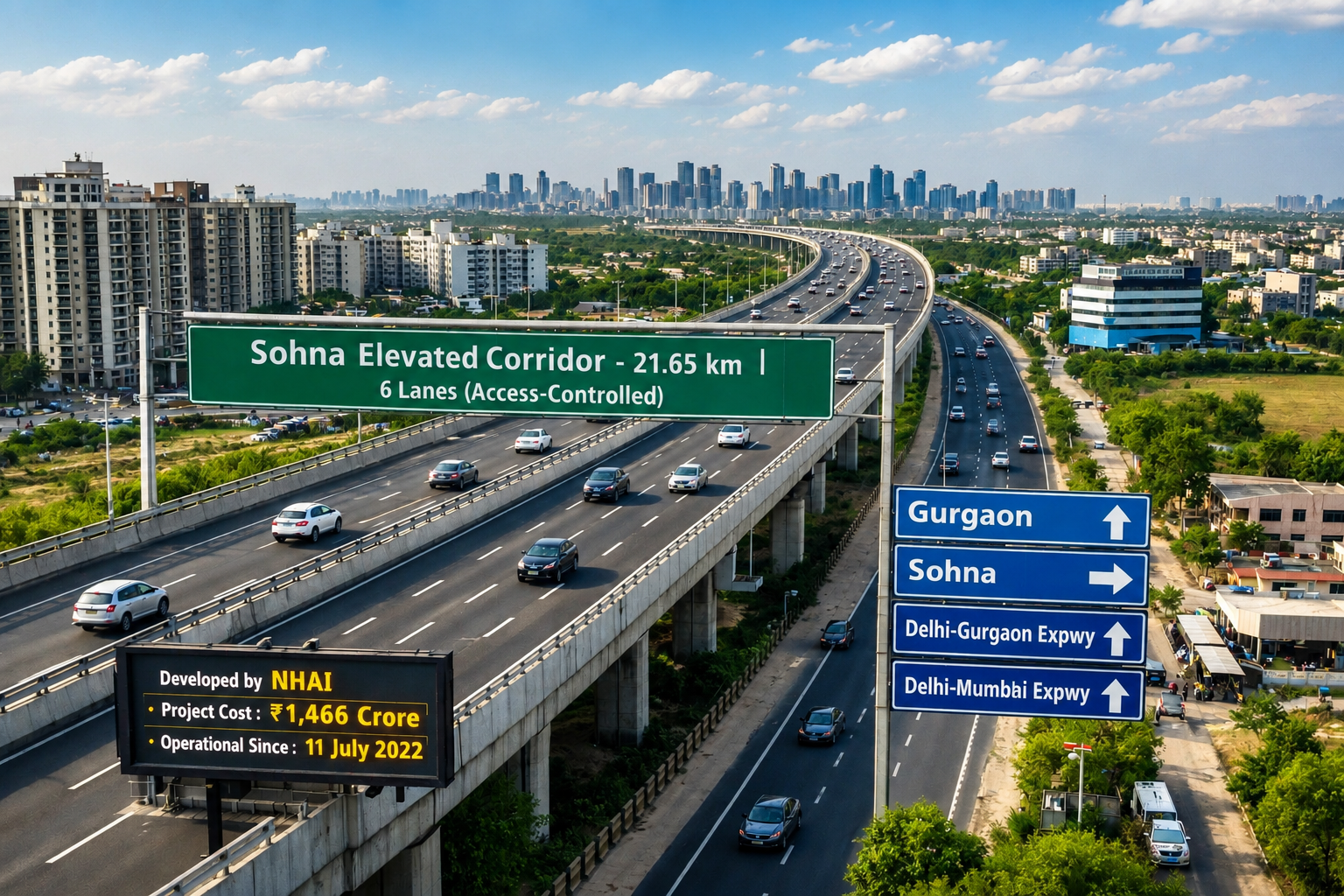
Is Sohna Really the Next Chhatarpur?
Three decades after Chhatarpur redrew South Delhi's map for space, privacy and exclusivity, a familiar pattern is now taking shape further south, and Sohna is where the smart money is beginning to look.
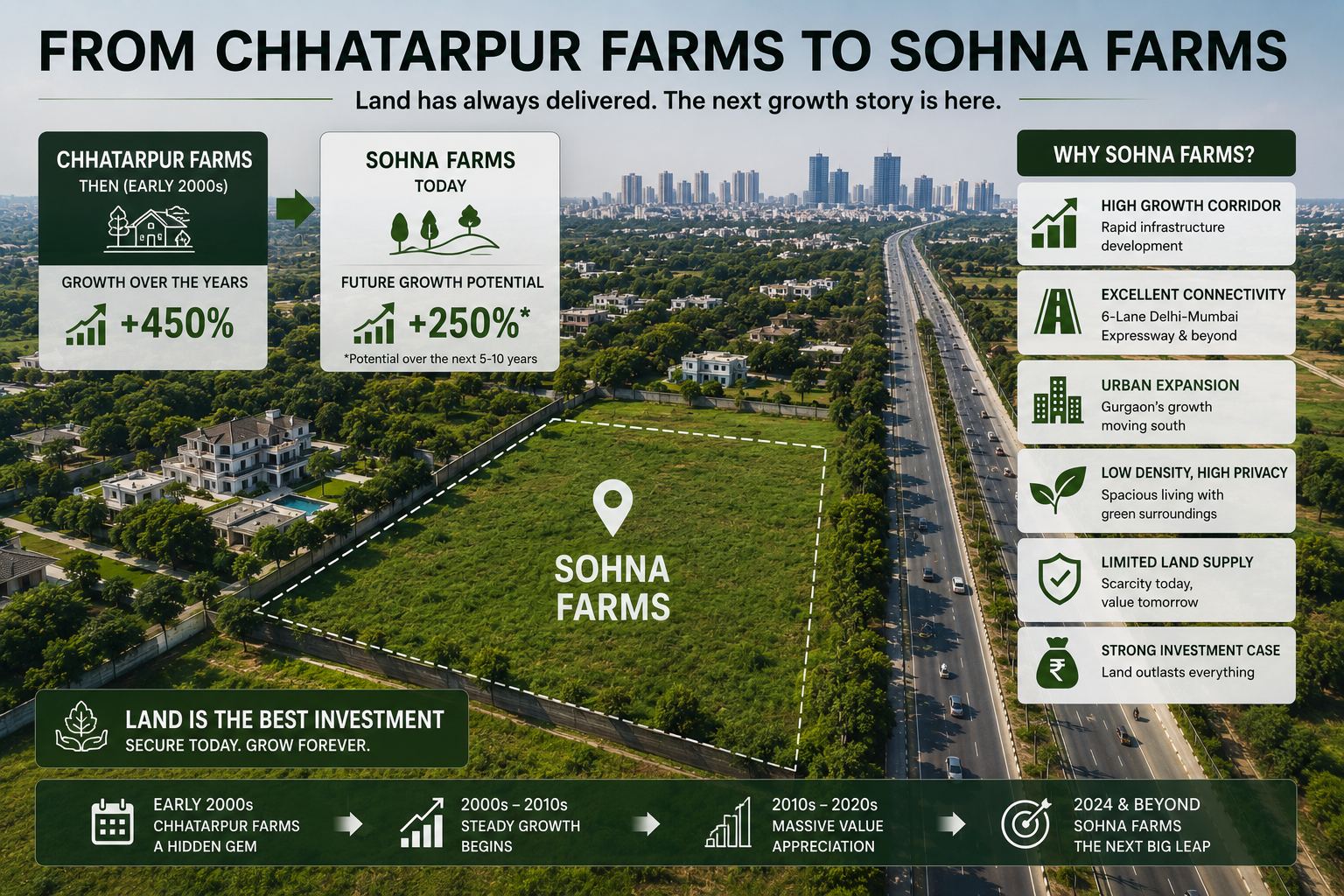
How Chhatarpur Farmhouses Created Multi-Crore Wealth for Early Buyers
What a quiet corner of South Delhi can teach investors about land, scarcity, and long-term wealth creation.

The ₹5 Crore Land Purchase That Became Worth ₹70 Crore
What the Story of DLF Chhatarpur Farms Reveals About Wealth Creation Through Premium Land Ownership
One short email. Stories you can use.
A free, occasional email from our editorial team with our latest features, explainers and reads. Unsubscribe any time — your email stays with us.