The Margin Squeeze Behind Britain’s Affiliate Realignment
As customer acquisition costs climb and consumer loyalty splinters, major domestic retailers are overhauling how they compensate publishers, cashback portals, and voucher networks.

Inside the digital trading offices of retailers like Next and Marks & Spencer, commission structures that once operated on autopilot are facing rigorous audit. For over a decade, British e-commerce expansion leaned heavily on affiliate aggregators and voucher portals to generate incremental turnover. Yet with household budgets constrained and operating expenses elevated across the high street, domestic merchants are scrutinising whether traditional performance marketing payouts truly capture net-new shoppers or merely tax transactions that would have occurred anyway.
British shopping behaviour has grown increasingly defensive over the past two years. Consumers routinely consult aggregator extensions and cashback plugins at checkout, seeking a rebate of a few pounds on an ASOS apparel order or an Ocado delivery slot. For retailers managing rising courier tariffs and warehouse wage inflation, paying out a platform commission on top of an already discounted basket turns fragile gross margins negative.
The Cashback Conundrum
The friction is sharpest around high-volume discounters and browser-based incentive engines. In the domestic market, large cashback portals and browser extensions exercise significant sway over consumer routing. When an online basket at Sainsbury’s or an order placed via Deliveroo triggers an affiliate commission, the merchant often pays twice: once to finance the commercial concession, and again as an administrative fee to the intermediary network. tracking data often reveals that the customer was already halfway through the purchase journey before opening the coupon tool.
attribution models are consequently undergoing an aggressive overhaul across the retail sector. Major apparel and department store groups have long questioned 'last-click' attribution rules, where a third-party extension fires seconds before payment, claiming a 5% to 8% affiliate fee on an otherwise organic transaction. In response, retailers such as Next and Marks & Spencer are progressively capping payouts on generic voucher sites, adjusting their affiliate tiers, and demanding demonstrable incrementality before settling invoices.
Shifting Capital to Closed Ecosystems
When automated discount tools intercept shoppers at the final payment gateway, the publisher is rarely generating demand; it is simply monetising the checkout queue.
Rather than dispersing commercial spend across external voucher networks, leading retail operators are funnelling capital back into their own estates. Supermarket leaders like Tesco and Sainsbury’s have demonstrated the defensive power of proprietary loyalty schemes through Clubcard and Nectar. By ring-fencing their sharpest pricing behind signed-in, proprietary smartphone applications, these grocers bypass external affiliate networks altogether, retaining granular shopper data while eliminating third-party referral fees.
A parallel recalibration is visible across digital hospitality and quick commerce. Platforms such as Just Eat and Deliveroo, having relied on university discount portals and student affiliate codes during their initial land-grab phase, have shifted focus toward in-app subscription memberships and merchant-funded retail media. In this environment, ad inventory sold directly to packaged goods brands inside the ordering interface delivers superior yield compared to paying external publishers to funnel price-sensitive diners.
The outcome is not an outright retreat from performance partnerships, but a structural re-evaluation of value. Pure-play retailers like ASOS still depend on external discovery channels to reach younger cohorts, but the era of indiscriminate, blanket commission agreements across the British web is waning. Publishers providing genuine editorial authority and top-of-funnel reach can still command attractive commercial terms; those relying on automated code-scraping at the digital till face a steady withdrawal of retail support.
News Legacy maintains editorial independence. Some recommendations may contain affiliate links. We earn from qualifying purchases at no additional cost to you. Read our policy.
Read Next

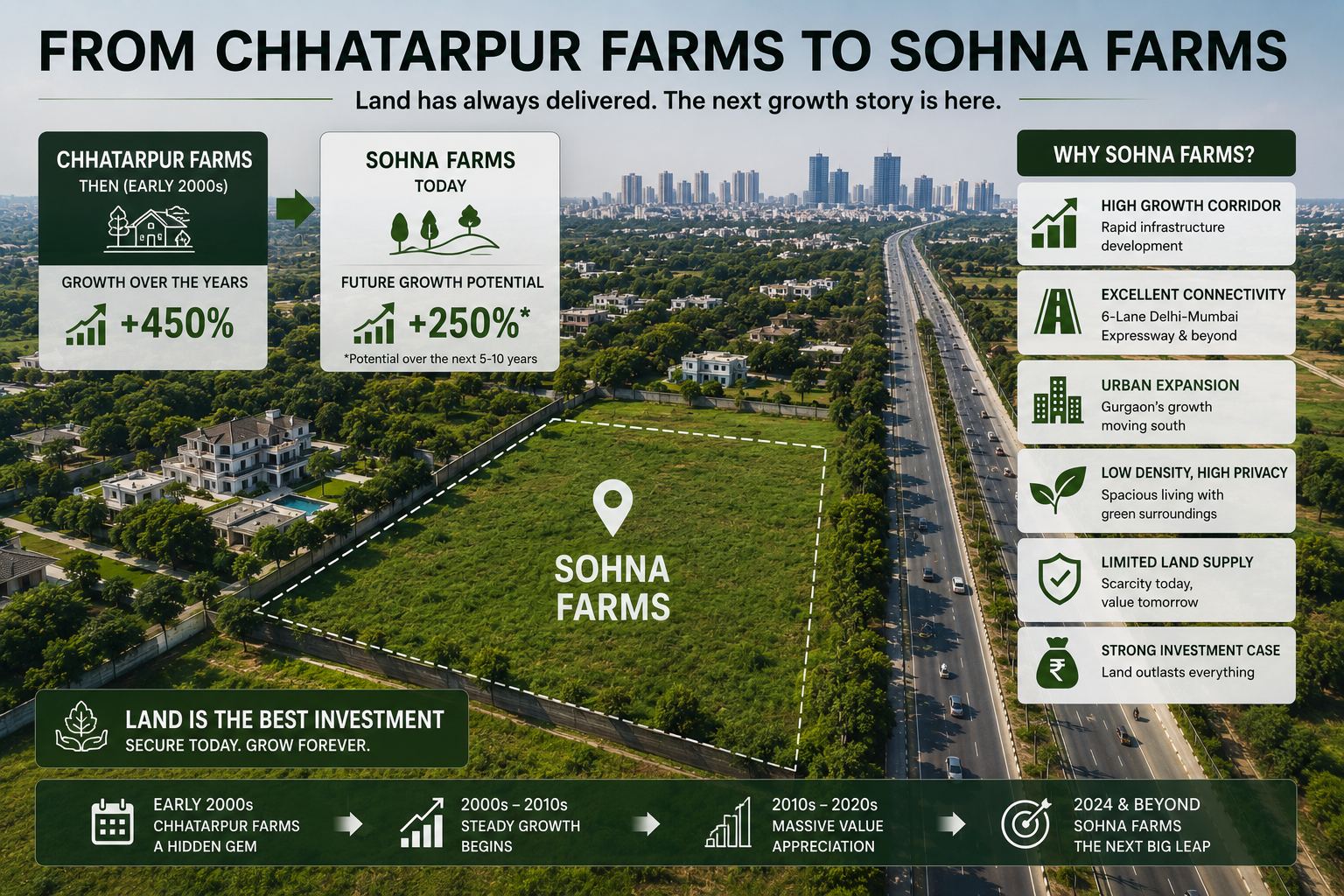
Is Sohna Really the Next Chhatarpur?
Three decades after Chhatarpur redrew South Delhi's map for space, privacy and exclusivity, a familiar pattern is now taking shape further south, and Sohna is where the smart money is beginning to look.
How Chhatarpur Farmhouses Created Multi-Crore Wealth for Early Buyers
What a quiet corner of South Delhi can teach investors about land, scarcity, and long-term wealth creation.

The ₹5 Crore Land Purchase That Became Worth ₹70 Crore
What the Story of DLF Chhatarpur Farms Reveals About Wealth Creation Through Premium Land Ownership
One short email. Stories you can use.
A free, occasional email from our editorial team with our latest features, explainers and reads. Unsubscribe any time — your email stays with us.