The Marketplace Imperative: UK Retailers Grapple with Platform Economics
British consumer habits, shifting towards digital aggregation, are compelling established retailers to recalibrate their e-commerce strategies, increasingly embracing or resisting the marketplace model.

At a recent Tesco store in London's affluent Kensington, the familiar blue signage now sits alongside a digital kiosk promoting 'Tesco Food to Go' delivery services, powered not just by its own fleet but by third-party aggregators. This subtle integration reflects a profound strategic challenge confronting the UK's retail sector: the ascendancy of the marketplace model and its implications for brand control, logistics, and customer loyalty.
For years, major British retailers invested heavily in proprietary e-commerce platforms, meticulously cultivating direct relationships with their clientele. Marks & Spencer, for example, built a robust online presence for its clothing and homeware. Similarly, Sainsbury's poured resources into its online grocery delivery infrastructure. Yet, the persistent pull of platforms offering broader assortments and immediate gratification continues to reshape consumer expectations, forcing a strategic reassessment across the industry.
The pandemic accelerated a pre-existing trend towards digital convenience, indelibly altering how many Britons shop. While giants like Amazon have long dominated the general marketplace sphere, specialized platforms such as ASOS carved out significant niches in fashion, demonstrating the potency of aggregation within specific verticals. This success often came at the expense of traditional high street retailers struggling to match the breadth and speed.
The Delivery Dilemma: Partners or Competitors?
The grocery sector presents a particularly acute case study. Companies like Ocado, originally a pure-play online grocer, have successfully pivoted to a B2B technology provider, licensing its platform to international partners. Domestically, however, established grocers like Tesco and Sainsbury's initially resisted full integration with third-party delivery marketplaces such as Deliveroo and Just Eat, perceiving them as potential disintermediators. This stance has softened significantly, with partnerships now common, driven by the imperative to reach customers demanding rapid fulfilment and broad choice.
The strategic tension between controlling the customer journey and accessing new demand channels defines much of modern retail strategy. Ignoring the platforms is no longer a viable option.
The decision to engage with a third-party marketplace is complex. While it provides immediate access to a wider customer base and leverages established logistics networks, it also risks diluting brand identity and surrendering valuable customer data. The commission structures, often ranging from 15% to 30% for food delivery, can also significantly compress already thin retail margins, leading to difficult profitability calculations.
Diversification as a Defence Mechanism
Some UK retailers are proactively establishing their own marketplace functionalities. Next, for instance, has successfully evolved its online presence into a broader platform, hosting a wide array of third-party brands alongside its own private labels. This strategy allows Next to expand its product offering without incurring the full inventory risk, while retaining a direct relationship with its customers. This hybrid model offers a potential blueprint for other established players looking to compete more effectively with pure-play marketplaces.
The landscape is dynamic. Fashion giant ASOS, having built its business on a curated multi-brand model, now faces competition from Shein and Temu, which operate on a far more direct-from-manufacturer, ultra-fast fashion marketplace paradigm. This necessitates continuous adaptation, from enhancing user experience to refining logistics and supply chain efficiencies. The British consumer, accustomed to choice and speed, will continue to reward those who master these complex platform dynamics, irrespective of whether they are traditional retailers or new digital entrants.
News Legacy maintains editorial independence. Some recommendations may contain affiliate links. We earn from qualifying purchases at no additional cost to you. Read our policy.
Read Next

Is Sohna Really the Next Chhatarpur?
Three decades after Chhatarpur redrew South Delhi's map for space, privacy and exclusivity, a familiar pattern is now taking shape further south, and Sohna is where the smart money is beginning to look.
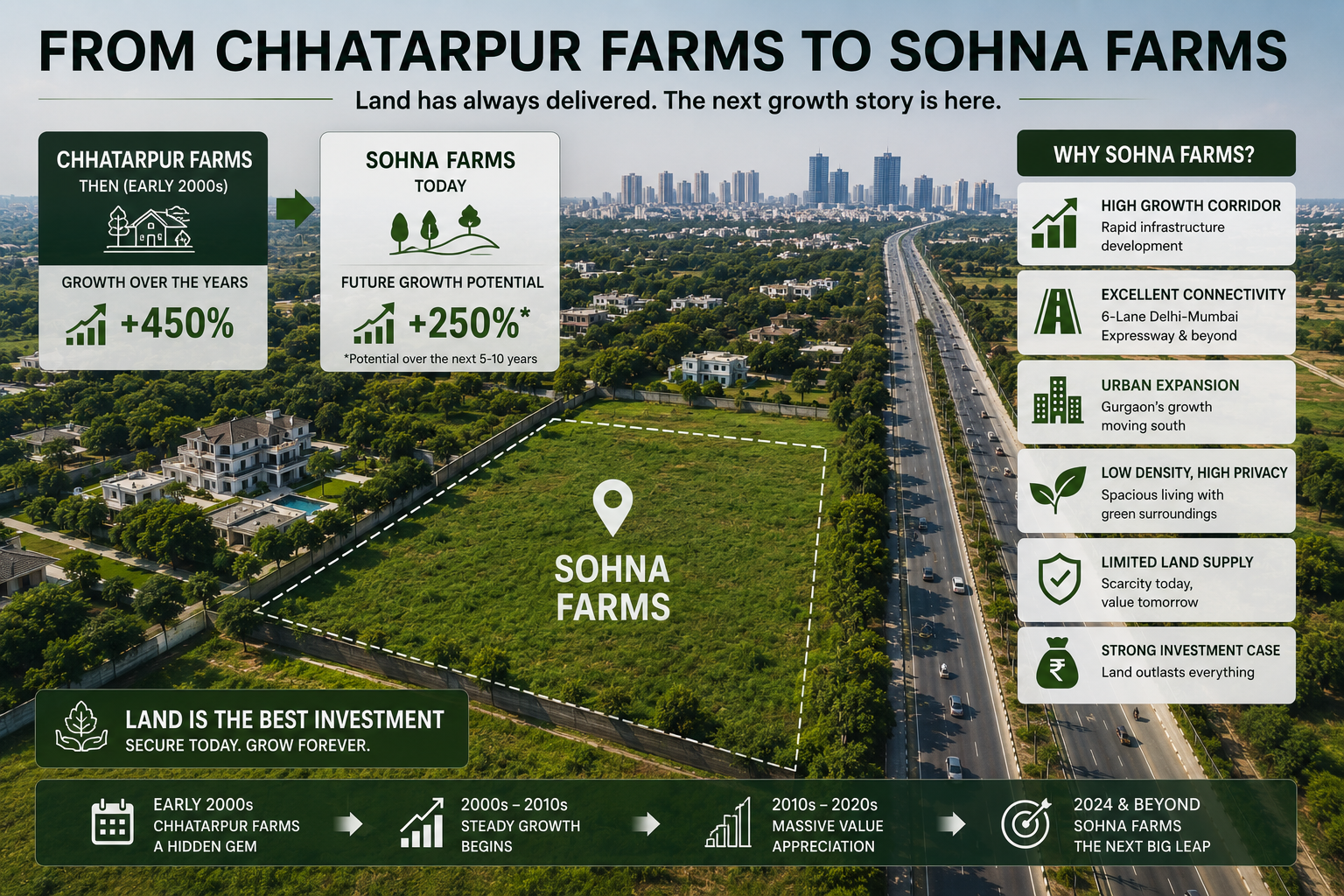
How Chhatarpur Farmhouses Created Multi-Crore Wealth for Early Buyers
What a quiet corner of South Delhi can teach investors about land, scarcity, and long-term wealth creation.
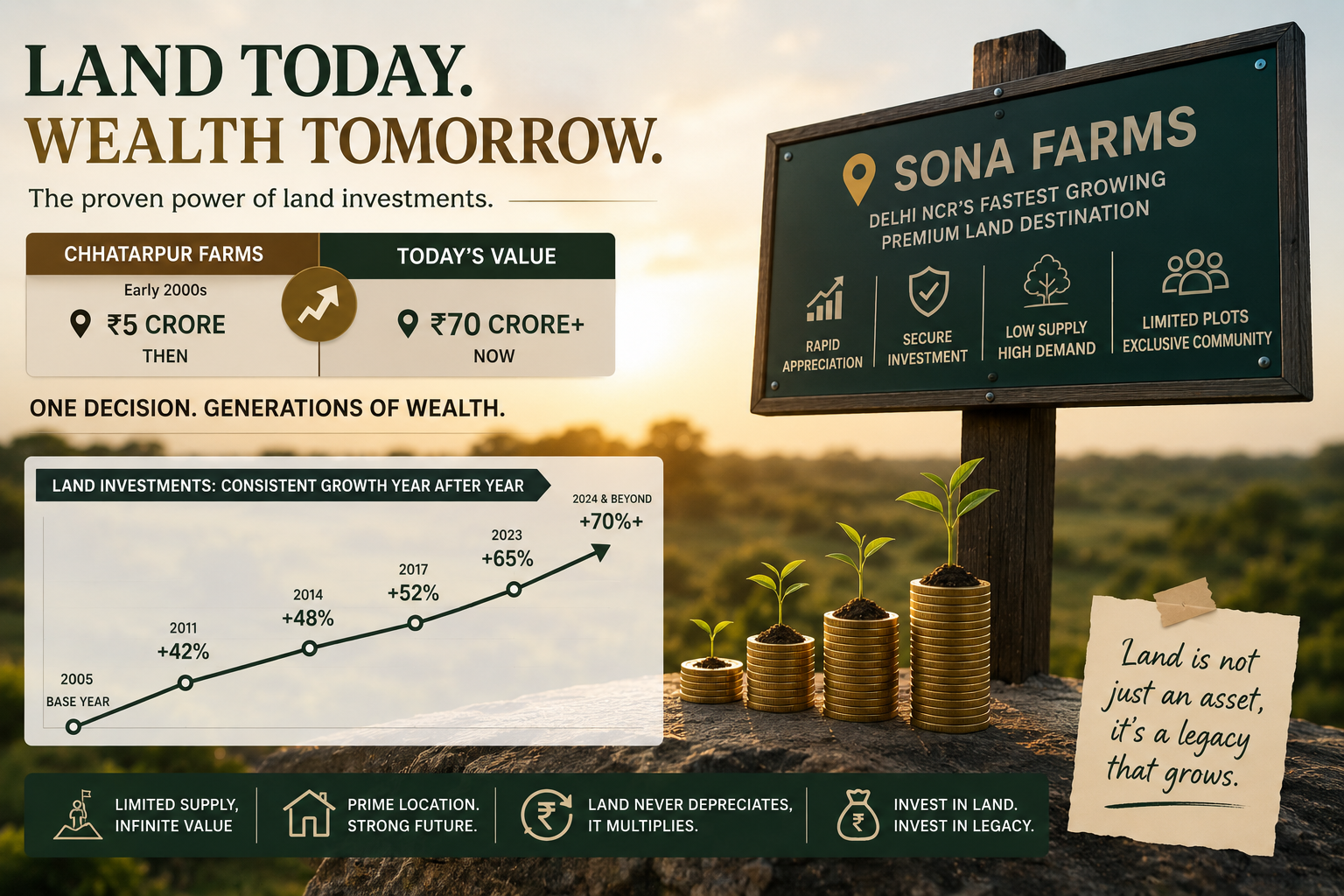
The ₹5 Crore Land Purchase That Became Worth ₹70 Crore
What the Story of DLF Chhatarpur Farms Reveals About Wealth Creation Through Premium Land Ownership
One short email. Stories you can use.
A free, occasional email from our editorial team with our latest features, explainers and reads. Unsubscribe any time — your email stays with us.