The Measured Rise of the Micro-Merchant: UK Retail’s New Creator Calculus
As digital influence solidifies its commercial power, a burgeoning cohort of content creators is reshaping Britain's retail landscape, presenting both opportunity and challenge to established market players.

A recent scroll through TikTok in the UK reveals a striking trend: alongside the usual dance challenges and lifestyle vlogs, an increasing number of short-form videos now feature creators showcasing their own products, from handmade jewellery to curated vintage clothing. This shift from pure entertainment to direct commercial engagement signifies a maturing phase for creator commerce, moving beyond mere affiliate links to proprietors actively selling merchandise to their audience. The market’s evolution suggests a significant recalibration for consumer spending, especially among younger demographics accustomed to purchasing directly from trusted online personalities.
This phenomenon is not merely an extension of celebrity endorsements. Instead, it represents the democratisation of retail, where individuals with niche influence can cultivate loyal customer bases without the traditional overheads of brick-and-mortar or complex supply chains. Platforms like Instagram and TikTok, alongside dedicated e-commerce enablers such as Shopify, have lowered entry barriers, allowing an individual in, for instance, Manchester or Glasgow, to launch a brand with minimal upfront capital. Data from 2023 indicated a substantial portion of Gen Z and millennial consumers in the UK had made a purchase influenced directly by a social media creator, underscoring the commercial weight of this emerging channel.
The implications for established UK retailers are multifaceted. Supermarket giants like Tesco and Sainsbury's, traditionally reliant on extensive physical footprints and national advertising campaigns, face a subtle but persistent erosion of mindshare. While they command daily essentials, discretionary spending increasingly flows towards unique offerings found through creator channels. Fashion behemoths such as ASOS and Next, already battling intense competition, find themselves contending not just with each other and international brands, but also with agile, authentic micro-brands launched by influencers with dedicated followings.
The Authenticity Premium and Market Friction
The core appeal of creator commerce often lies in authenticity and perceived relatability. Consumers frequently view recommendations or products from creators as more trustworthy than traditional advertising, fostering a stronger connection that translates into purchase intent. This emotional bond allows creators to command a premium for their offerings, even for items that might be generically available elsewhere. The rapid feedback loop of social media also enables swift product iteration and customer service, further cementing loyalty. This agile model stands in contrast to the slower, more risk-averse product development cycles often seen in larger corporations.
However, this nascent industry is not without its growing pains. Quality control, consumer protection, and returns processes can be less standardised compared to established retailers. A fragmented landscape of individual sellers, many operating without the robust logistical networks of Ocado or Deliveroo, occasionally struggles with scalability and fulfilment during peak demand. This presents a potential area for larger entities to partner or acquire, integrating creator reach with corporate operational efficiency.
The power of direct influence, when coupled with a seamless purchasing experience, is proving to be a formidable new force in consumer markets.
Marks & Spencer, for example, has cautiously explored collaborations with influencers, recognising the shift in consumer attention. The challenge for legacy brands lies in embracing the creator model without diluting their established brand identity or compromising on the operational excellence consumers expect. It requires a delicate balance of ceding some control while leveraging the authentic voice that defines successful creator ventures. The financial upside for creators can be substantial; some are reporting annual revenues in the low to mid six figures sterling from direct product sales, bypassing traditional retail gatekeepers entirely.
Navigating a Fragmented Future
The evolution of creator commerce suggests a future where retail becomes increasingly granular. Consumers will likely continue to diversify their purchasing habits, blending purchases from major chains, specialist online retailers, and directly from creators. This fragmentation necessitates a more agile and responsive strategy from all market participants. For digital platforms like Just Eat, which connect consumers with food providers, the parallel could be drawn to how independent restaurants thrive alongside established chains by cultivating unique identities and direct relationships with their clientele.
Ultimately, the sustained growth of the creator economy in the UK signals a structural shift. It is a market where trust and direct engagement are currency, and where the entry cost for entrepreneurial individuals continues to diminish. Businesses that acknowledge this paradigm, and strategically adapt their engagement and distribution models, will be better positioned to navigate the increasingly complex preferences of the modern British consumer.
The shift compels a re-evaluation of marketing budgets and supply chain investments, moving towards models that can accommodate both mass-market appeal and highly specific, community-driven commercial opportunities. The micro-merchant, empowered by digital tools and audience rapport, is no longer a fringe player but a measurable factor in the competitive landscape.
News Legacy maintains editorial independence. Some recommendations may contain affiliate links. We earn from qualifying purchases at no additional cost to you. Read our policy.
Read Next

Is Sohna Really the Next Chhatarpur?
Three decades after Chhatarpur redrew South Delhi's map for space, privacy and exclusivity, a familiar pattern is now taking shape further south, and Sohna is where the smart money is beginning to look.
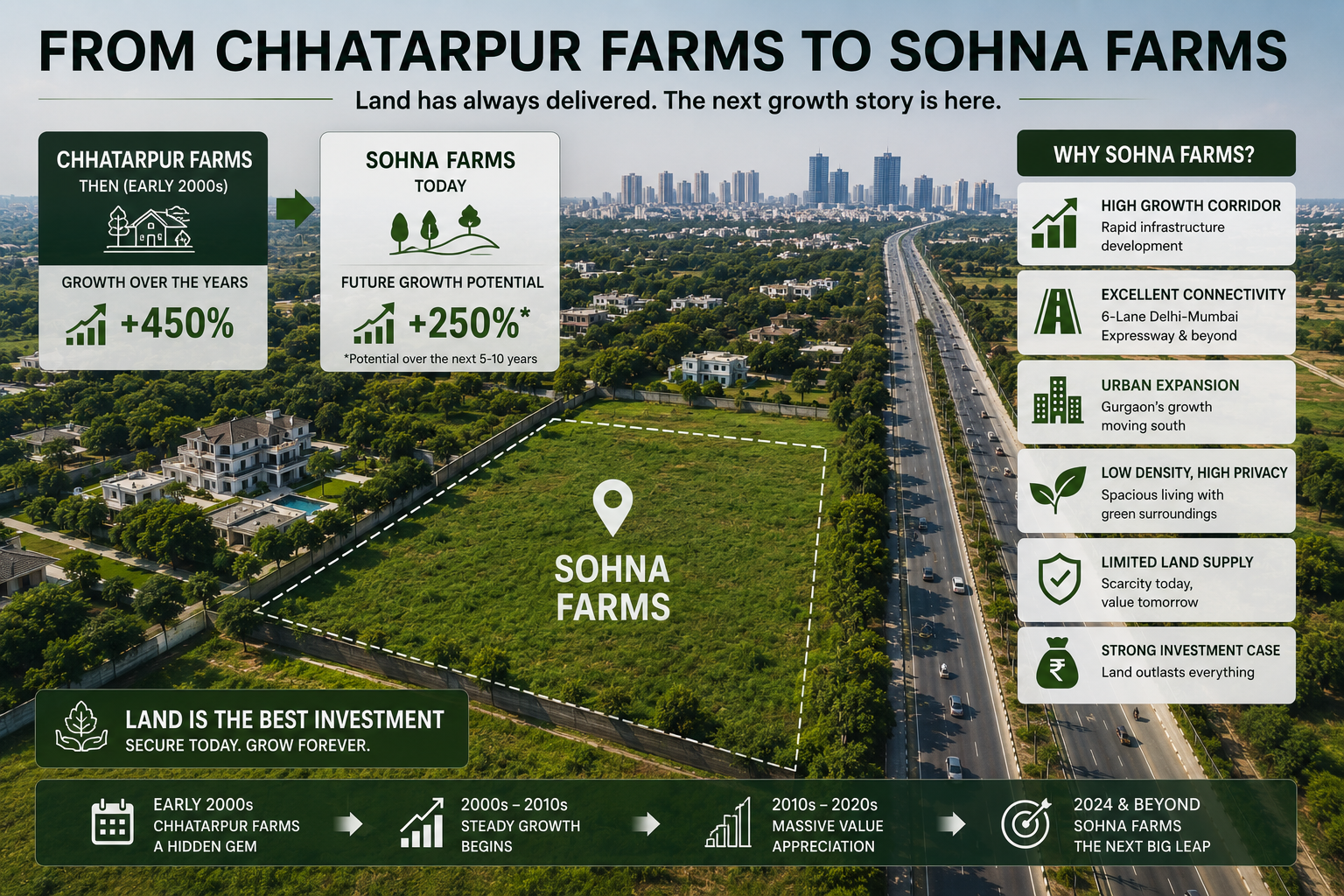
How Chhatarpur Farmhouses Created Multi-Crore Wealth for Early Buyers
What a quiet corner of South Delhi can teach investors about land, scarcity, and long-term wealth creation.

The ₹5 Crore Land Purchase That Became Worth ₹70 Crore
What the Story of DLF Chhatarpur Farms Reveals About Wealth Creation Through Premium Land Ownership
One short email. Stories you can use.
A free, occasional email from our editorial team with our latest features, explainers and reads. Unsubscribe any time — your email stays with us.