The Patchwork Marketplace: Europe's Fragmented Digital Commerce Landscape
Despite a shared currency and a unified market ideal, Europe's e-commerce landscape remains a complex mosaic of national champions and cross-border aspirations, shaped by consumer habits and regulatory nuances.

At a warehouse near Poznań, Allegro handles millions of shipments annually, demonstrating its formidable position within Poland's digital retail sphere. Yet, the reach of this domestic giant, like many of its European counterparts, often meets a natural frontier at the border. While companies such as Amazon and Alibaba pursue global dominance, Europe’s digital marketplaces continue to operate within a fragmented ecosystem, reflecting diverse consumer preferences, logistical intricacies, and regulatory frameworks across the continent.
This patchwork reality presents both significant barriers and unique opportunities. For consumers, it means a varied shopping experience where a brand easily accessible on Bol.com in the Netherlands might be an unknown entity on Cdiscount in France, or require a separate registration for Zalando across the Rhine. For retailers and brands, navigating these distinct national digital storefronts demands tailored strategies, from localising product assortments to optimising logistics and payment methods for each territory.
National Champions and Regional Powerhouses
Many European countries foster their own dominant digital marketplaces. In the Benelux region, Bol.com holds significant sway, while in France, Cdiscount remains a key player alongside global competitors. Germany, a cornerstone of the European economy, sees Zalando commanding a substantial share of fashion e-commerce, though general merchandise remains a battleground. Eastern Europe, particularly Poland, is firmly anchored by Allegro, which has recently embarked on limited international expansion efforts, notably into Czechia and Slovakia, with varying degrees of success.
The allure of a single European digital market remains strong, but the practicalities of linguistic diversity, varied return policies, and entrenched national loyalties continue to shape consumer behaviour more profoundly than often acknowledged.
This national focus extends to categories beyond general merchandise. Vinted, a Lithuanian-founded platform for second-hand fashion, has achieved considerable cross-border success by tapping into a universal consumer trend for sustainability and value, scaling effectively across France, Germany, and Spain. However, even its model adapts to local market characteristics and cultural nuances.
The Struggle for Cross-Border Scale
Attempts by established retailers to build pan-European marketplace operations have yielded mixed results. Supermarket giants like Carrefour and REWE have primarily focused on strengthening their domestic online presence, often leveraging click-and-collect or local delivery partnerships. Their digital marketplace ambitions typically serve to extend their existing product ranges within their core markets rather than becoming a singular continental platform. Similarly, Lidl's online efforts, while substantial, remain largely country-specific in their execution and product offering.
The rapid grocery delivery sector, exemplified by the legacy of Gorillas and continued operations of Flink, illustrated the fierce competition and capital intensity of scaling across multiple European cities. While initially pursuing rapid international expansion, many such firms eventually consolidated operations, underscoring the difficulties in achieving profitability and market share simultaneously across diverse urban environments.
The Nordics, often viewed as a single affluent market, also exhibit distinct preferences and established local players, making a unified entry strategy challenging for external platforms. Southern Europe, encompassing Italy and Spain, presents its own set of logistical hurdles and consumer habits, where cash-on-delivery can still hold significant sway in certain segments, demanding adaptive payment solutions from marketplace operators.
Ultimately, the vision of a truly unified European digital marketplace, where a Polish consumer can seamlessly purchase from a Spanish vendor via a single dominant platform with identical ease and conditions as a domestic transaction, remains more aspirational than actual. The continent's e-commerce evolution continues to be characterised by a dynamic interplay between local strength and the persistent, though often gradual, pursuit of cross-border integration.
News Legacy maintains editorial independence. Some recommendations may contain affiliate links. We earn from qualifying purchases at no additional cost to you. Read our policy.
Read Next

Is Sohna Really the Next Chhatarpur?
Three decades after Chhatarpur redrew South Delhi's map for space, privacy and exclusivity, a familiar pattern is now taking shape further south, and Sohna is where the smart money is beginning to look.
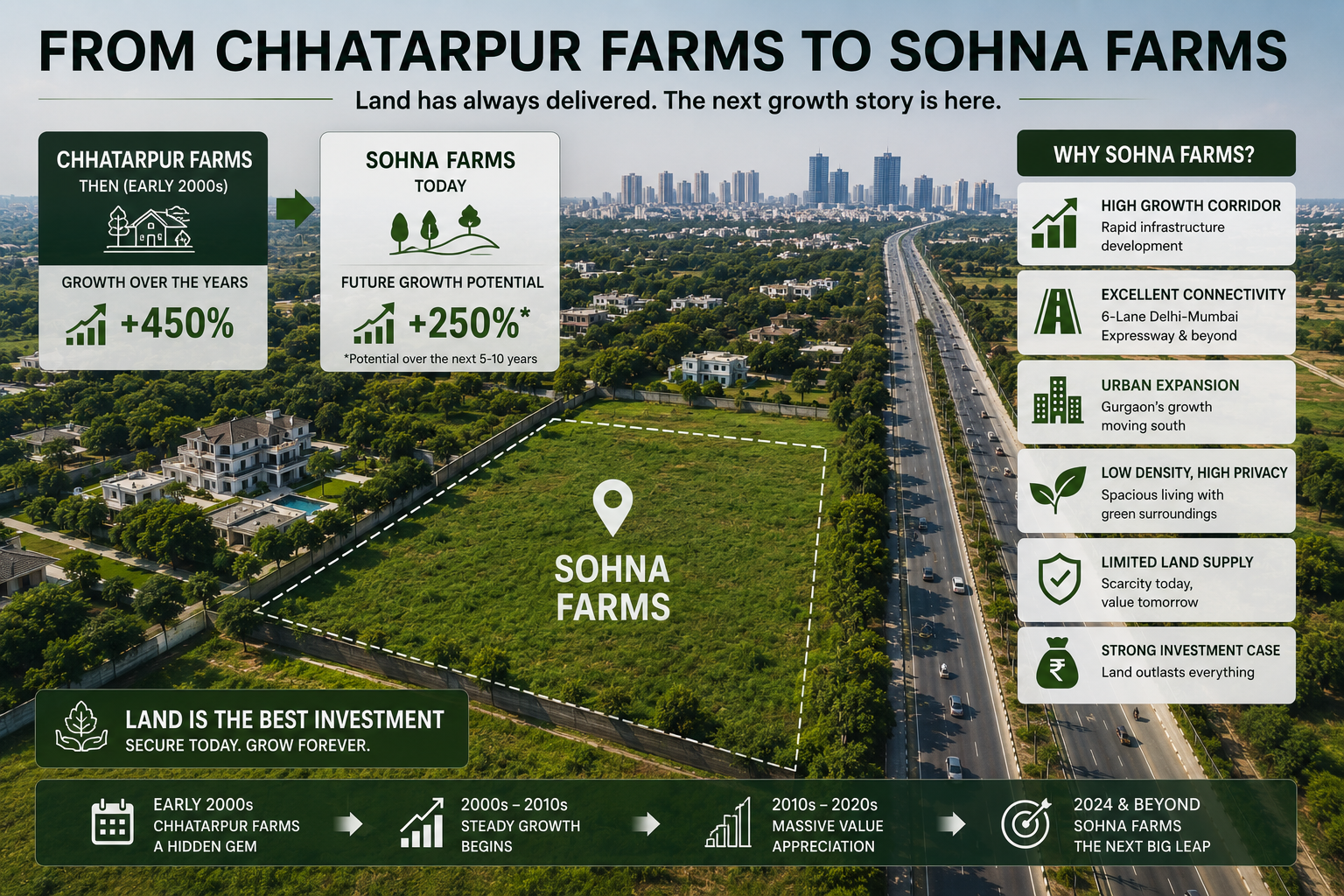
How Chhatarpur Farmhouses Created Multi-Crore Wealth for Early Buyers
What a quiet corner of South Delhi can teach investors about land, scarcity, and long-term wealth creation.
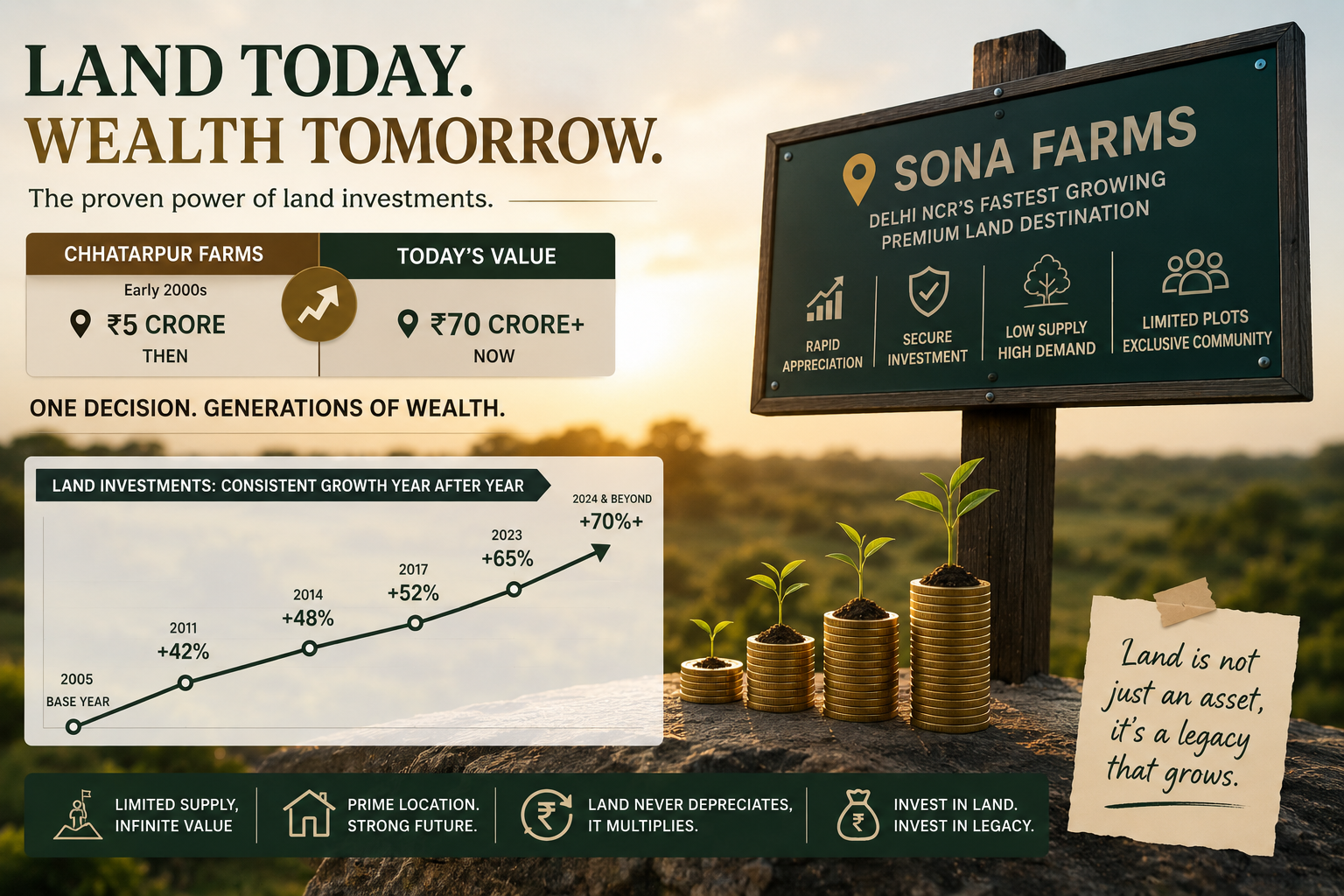
The ₹5 Crore Land Purchase That Became Worth ₹70 Crore
What the Story of DLF Chhatarpur Farms Reveals About Wealth Creation Through Premium Land Ownership
One short email. Stories you can use.
A free, occasional email from our editorial team with our latest features, explainers and reads. Unsubscribe any time — your email stays with us.