The Perilous Pace of UK Quick Commerce Profitability
The rapid expansion of ultra-fast grocery and delivery services in the United Kingdom faces a reckoning as investor patience wanes and the true costs of instant gratification emerge.

From the densely packed urban streets of London to the commuter belts of Manchester, the sight of Deliveroo and Just Eat riders on electric bicycles has become ubiquitous. These platforms, alongside dedicated quick commerce players such as Getir and GoPuff, promised a paradigm shift in retail, delivering groceries and sundry items within minutes. Yet, as the initial venture capital deluge subsides, the formidable challenge of converting market share into sustainable earnings becomes increasingly apparent for operators across the UK.
The pandemic-induced acceleration of online shopping habits undoubtedly fuelled this sector's growth. Consumers, accustomed to the convenience of next-day delivery from retailers like ASOS and Next, quickly embraced the notion of immediate gratification for everyday essentials. Supermarket giants like Tesco and Sainsbury's also intensified their digital presence, with Ocado Retail reporting a 0.7% revenue increase to £2.3 billion in its latest full-year results, highlighting continued online penetration even as consumer habits normalise.
The Infrastructure of Urgency
Achieving rapid delivery necessitates a complex and costly operational framework. Dark stores, strategically located in high-density urban areas, often incur premium rental costs. These miniature warehouses require sophisticated inventory management systems and a dedicated workforce for picking and packing, distinct from traditional supermarket logistics. The demand for immediate fulfilment creates inherent inefficiencies, as labour and fleet resources must be deployed to meet peak-hour surges while remaining underutilised during quieter periods, impacting overall profitability.
Moreover, the 'last mile' of delivery, historically the most expensive segment of the supply chain, is magnified in quick commerce. The typical basket size for these services tends to be smaller than a weekly supermarket shop, meaning the fixed costs associated with each delivery — rider wages, fuel, insurance — represent a larger proportion of the transaction value. This dynamic places immense pressure on pricing strategies and fee structures, with platforms often absorbing a significant portion of the true delivery cost to maintain competitiveness.
The allure of instant delivery reshaped consumer expectations, but the economics of this speed continue to challenge established retail margins.
Recent market shifts underscore these difficulties. While precise UK figures are often proprietary, some international quick commerce operators have reported significant financial losses, indicating that the path to profitability remains elusive. Getir, for instance, has undergone multiple rounds of restructuring and market withdrawals in various geographies, signalling a broader industry reassessment of its aggressive expansion model. The focus has decisively shifted from growth at all costs to achieving unit economics.
A Saturated and Sceptical Market
The UK quick commerce landscape is now characterised by intense competition, with traditional grocers also staking their claim. Marks & Spencer, for example, has deepened its partnership with Ocado, while Tesco has expanded its Whoosh rapid delivery service. This fragmentation means that achieving a dominant market share, which could theoretically allow for greater pricing power and operational efficiency, is increasingly difficult. Consumers exhibit low brand loyalty, often switching between apps to secure the best offer or shortest delivery time, further compressing margins.
As economic pressures mount for UK households, evidenced by inflation figures impacting discretionary spending, the willingness to pay premium delivery fees for quick commerce services may diminish. While the convenience factor remains potent, the balance between speed and cost is becoming more critical. Operators must now demonstrate a clear and credible trajectory toward sustainable financial performance, rather than simply pursuing gross merchandise value growth, if they are to secure continued investment and long-term viability in a discerning market.
The next phase for UK quick commerce will likely involve a consolidation of players, a refinement of operational models to improve efficiency, and potentially a more focused geographic strategy. The initial gold rush is over; the era of rigorous financial discipline has begun.
News Legacy maintains editorial independence. Some recommendations may contain affiliate links. We earn from qualifying purchases at no additional cost to you. Read our policy.
Read Next

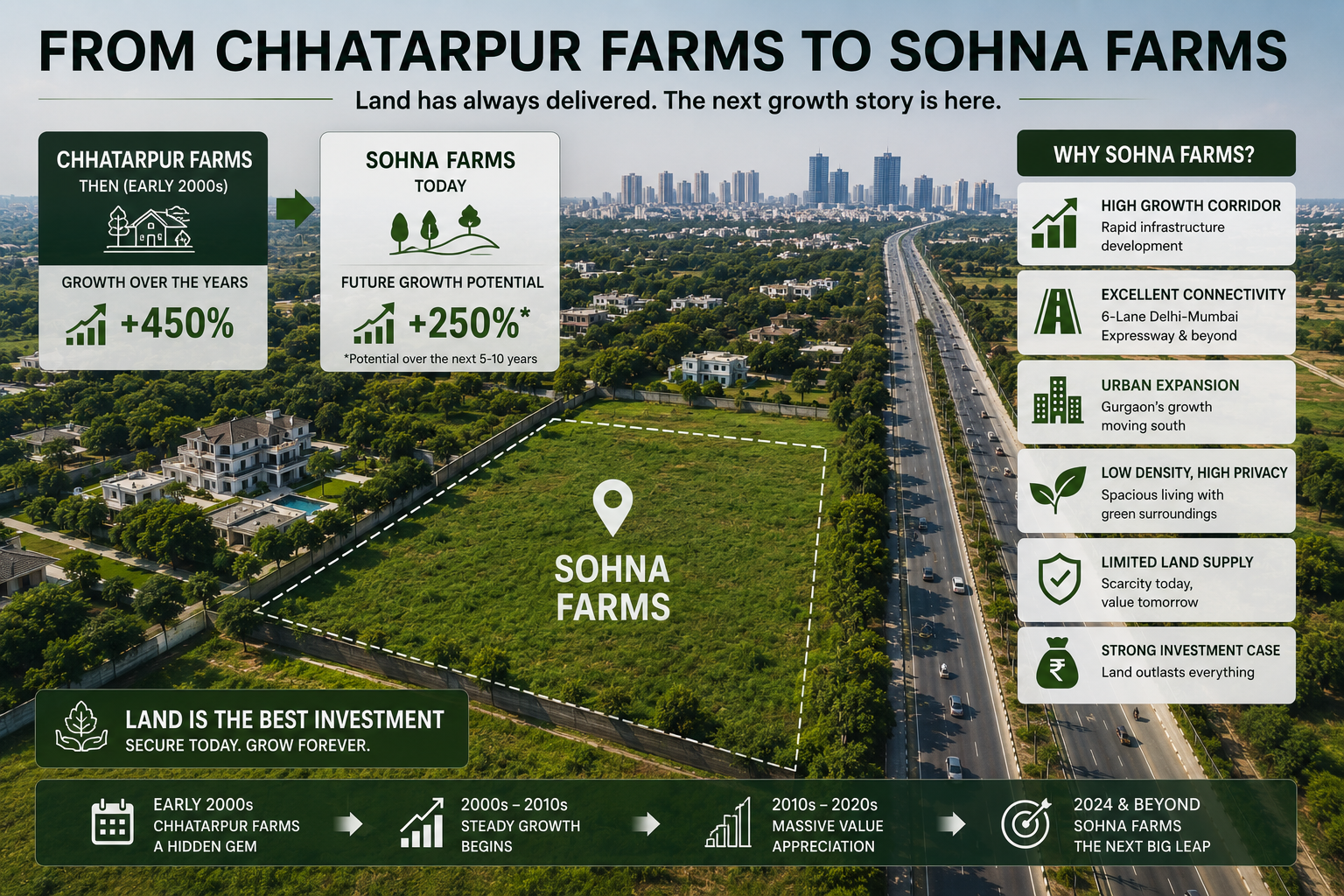
Is Sohna Really the Next Chhatarpur?
Three decades after Chhatarpur redrew South Delhi's map for space, privacy and exclusivity, a familiar pattern is now taking shape further south, and Sohna is where the smart money is beginning to look.
How Chhatarpur Farmhouses Created Multi-Crore Wealth for Early Buyers
What a quiet corner of South Delhi can teach investors about land, scarcity, and long-term wealth creation.

The ₹5 Crore Land Purchase That Became Worth ₹70 Crore
What the Story of DLF Chhatarpur Farms Reveals About Wealth Creation Through Premium Land Ownership
One short email. Stories you can use.
A free, occasional email from our editorial team with our latest features, explainers and reads. Unsubscribe any time — your email stays with us.