The Perilous Pace of UK Quick Commerce Profitability
Despite rapid expansion and significant consumer adoption, the economics of immediate delivery services in the UK remain precarious, challenging operators to refine models beyond mere speed.

The whir of electric bikes delivering groceries from dark stores or supermarket aisles has become a familiar sound across British cities. Companies such as Deliveroo and Just Eat, alongside supermarket-backed ventures like Tesco Whoosh and Sainsbury's Chop Chop, have invested heavily in the promise of instant gratification. This burgeoning sector, initially buoyed by pandemic-era demand spikes, now faces a structural reckoning regarding its long-term financial viability amidst an increasingly competitive landscape.
Initial forecasts for quick commerce growth were aggressive. Market intelligence suggested the sector could reach an annual value exceeding £3 billion in the UK by 2025. While consumer uptake has been robust, particularly for top-up shops or impulse purchases, the unit economics underpinning these operations often appear fragile. High labour costs, significant marketing expenditure to acquire and retain customers, and the intricate logistics of urban micro-fulfilment centres combine to erode margins.
The Cost of Convenience
Operating a quick commerce model is inherently expensive. Unlike traditional online grocery, which benefits from larger basket sizes and scheduled deliveries, quick commerce thrives on immediacy and smaller, more frequent orders. This necessitates a dense network of delivery riders and a substantial fleet, often electric bicycles or mopeds, all while navigating the complexities of urban traffic and ever-increasing petrol or electricity prices.
The 'dark store' model, exemplified by former rapid grocers like Getir and Gorillas, involved operating small warehouses in high-rent urban locations, fully stocked and managed by their own staff. While offering unparalleled speed, the overheads for property, inventory management, and direct employment proved unsustainable for many, leading to significant retrenchment and consolidation, particularly after investor capital became scarcer.
Supermarket chains have a distinct advantage. Companies like Tesco and Sainsbury's can leverage existing store networks and supply chains, turning portions of their supermarkets into 'picking' centres for quick deliveries. This hybrid model mitigates some dark store costs but introduces its own challenges, such as potential disruption to in-store shoppers and the need to efficiently integrate rapid fulfilment with traditional operations.
Deliveroo, having carved out a substantial share of the restaurant takeaway market, has diversified into grocery with partners like Waitrose and Co-op. Its asset-light model, relying on independent contractors for delivery, offers greater flexibility but also faces scrutiny regarding worker conditions and legislative shifts, which could impact operational costs and driver availability.
The market has demonstrated an appetite for speed, but the true test lies in converting operational prowess into consistent earnings. This demands a fundamental reassessment of pricing, order density, and technological integration, moving beyond mere delivery as a loss-leading amenity.
Navigating the Path to Profitability
Achieving profitability requires a multi-pronged approach. Increasing average order values is paramount; encouraging customers to add more items beyond a single impulse purchase can significantly improve per-delivery economics. Subscription models, offering reduced or free delivery fees for a monthly charge, aim to foster loyalty and increase order frequency, as seen with some Amazon Fresh and Ocado offerings.
Technological advancements in routing optimisation and demand forecasting are also critical. Efficiently clustering deliveries, reducing rider idle time, and accurately predicting peak demand can yield substantial cost savings. The integration of artificial intelligence promises further efficiencies in inventory management and personalised promotions, driving both revenue and cost reduction.
Ultimately, the UK quick commerce sector is evolving from a land grab for market share to a more disciplined pursuit of sustainable financial models. The survivors will likely be those who can adeptly balance consumer expectation for speed with robust operational efficiency, harnessing existing infrastructure or developing highly refined, cost-effective delivery networks. The era of limitless venture capital fuelling unproven models appears to have concluded, making profitability an existential rather than aspirational goal.
News Legacy maintains editorial independence. Some recommendations may contain affiliate links. We earn from qualifying purchases at no additional cost to you. Read our policy.
Read Next

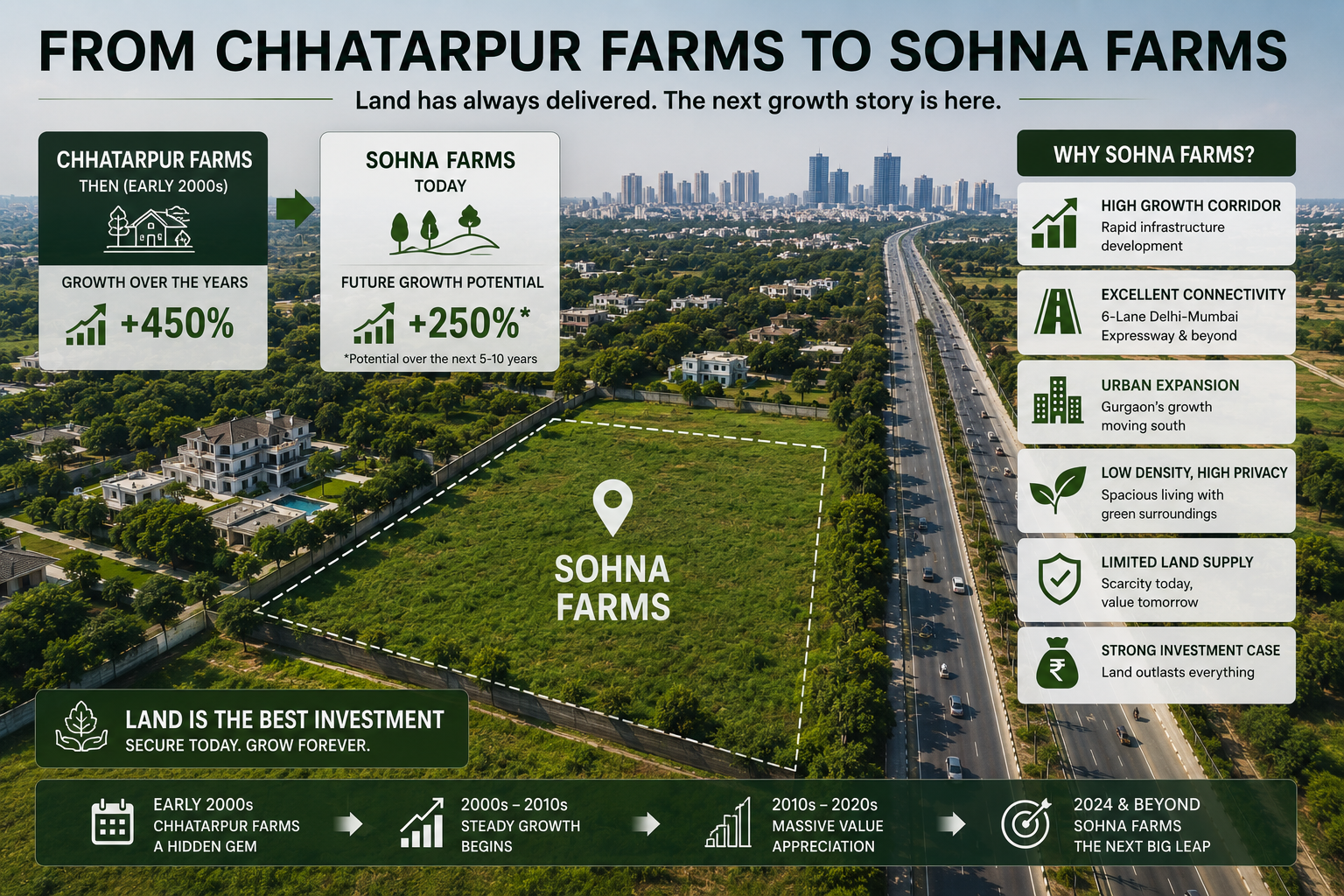
Is Sohna Really the Next Chhatarpur?
Three decades after Chhatarpur redrew South Delhi's map for space, privacy and exclusivity, a familiar pattern is now taking shape further south, and Sohna is where the smart money is beginning to look.
How Chhatarpur Farmhouses Created Multi-Crore Wealth for Early Buyers
What a quiet corner of South Delhi can teach investors about land, scarcity, and long-term wealth creation.

The ₹5 Crore Land Purchase That Became Worth ₹70 Crore
What the Story of DLF Chhatarpur Farms Reveals About Wealth Creation Through Premium Land Ownership
One short email. Stories you can use.
A free, occasional email from our editorial team with our latest features, explainers and reads. Unsubscribe any time — your email stays with us.