The Perilous Path from Niche to Scale: UK Retail Challengers Confront Market Contraction
Even as established retailers navigate economic headwinds, a new generation of British e-commerce and high street ventures faces an intensified struggle for market traction and investor confidence. Scaling from initial promise to sustainable profitability has become a formidable challenge.

From the bustling lanes of London's Borough Market to the sleek interfaces of direct-to-consumer fashion brands, a fresh wave of retail enterprises once signalled innovation and disruption. Many secured early-stage funding based on agile models and compelling brand narratives, promising to carve out lucrative niches or redefine shopping experiences. However, the current economic climate, characterised by persistent inflation and cautious consumer spending, is testing the viability of these nascent businesses in ways unseen for over a decade.
The initial optimism that fuelled ventures like Bloom & Wild, offering curated flower deliveries, or Gymshark, a fitness apparel phenomenon built on digital engagement, has given way to a more pragmatic evaluation. Investors are now prioritising clear paths to profitability over rapid, often subsidised, growth. This shift demands a fundamental re-evaluation of business models, frequently forcing painful decisions regarding expansion plans, marketing budgets, and even product lines.
Capital Flight and Shifting Priorities
Funding for early-stage retail ventures has become notably scarcer, a stark contrast to the buoyant investment landscape of a few years prior. Venture capital firms, once eager to back disruptive concepts, are now scrutinising unit economics and cash flow with greater intensity. This tightened purse reflects broader macroeconomic uncertainty, with capital increasingly allocated to more established, less volatile sectors. Startups that previously relied on continuous funding rounds to cover operating losses are now confronted with the urgent imperative to become self-sustaining.
The competitive landscape also exacerbates the challenge. Giants such as Tesco and Sainsbury's continue to dominate grocery, leveraging scale and established supply chains. In fashion, Next and Marks & Spencer, while adapting slower than some pure-plays, possess deep pockets and significant brand loyalty. Emerging players must not only compete for customer wallets but also for mindshare, a costly endeavour against entrenched incumbents.
The era of subsidised customer acquisition for digital-first brands has largely concluded; sustainable growth now relies on genuine value and operational efficiency.
Consider the precarious position of many online fashion retailers. While ASOS once epitomised agile e-commerce, it too has faced significant operational challenges and financial pressures. Newer, smaller entrants are grappling with escalating customer acquisition costs, fierce competition from both domestic and international players, and the logistical complexities of returns, particularly in a market where consumers expect free and convenient services.
The Ocado Effect and Logistic Hurdles
Logistics remains a formidable barrier to entry and scale. The capital-intensive nature of building efficient delivery networks or supply chains is often underestimated by early-stage retailers. Ocado, for instance, has invested billions over decades to perfect its automated warehousing and delivery system, a scale of investment almost impossible for a startup to replicate. Smaller food delivery services, while offering convenience, frequently operate on thin margins, as evidenced by the ongoing profitability struggles of even well-established players like Deliveroo and Just Eat Takeaway.
The prevailing sentiment within the UK retail startup ecosystem is one of necessary recalibration. Surviving and thriving in this environment will require an unparalleled focus on financial discipline, innovative cost control, and a clear, demonstrable value proposition to consumers. Those that can adapt quickly, proving their long-term viability without endless infusions of external capital, are the ones most likely to transition from promising ideas to enduring commercial successes in a challenging market.
The coming year is expected to see a significant culling of ventures that fail to meet these elevated expectations, fundamentally reshaping the future of retail innovation in Britain.
News Legacy maintains editorial independence. Some recommendations may contain affiliate links. We earn from qualifying purchases at no additional cost to you. Read our policy.
Read Next

Is Sohna Really the Next Chhatarpur?
Three decades after Chhatarpur redrew South Delhi's map for space, privacy and exclusivity, a familiar pattern is now taking shape further south, and Sohna is where the smart money is beginning to look.
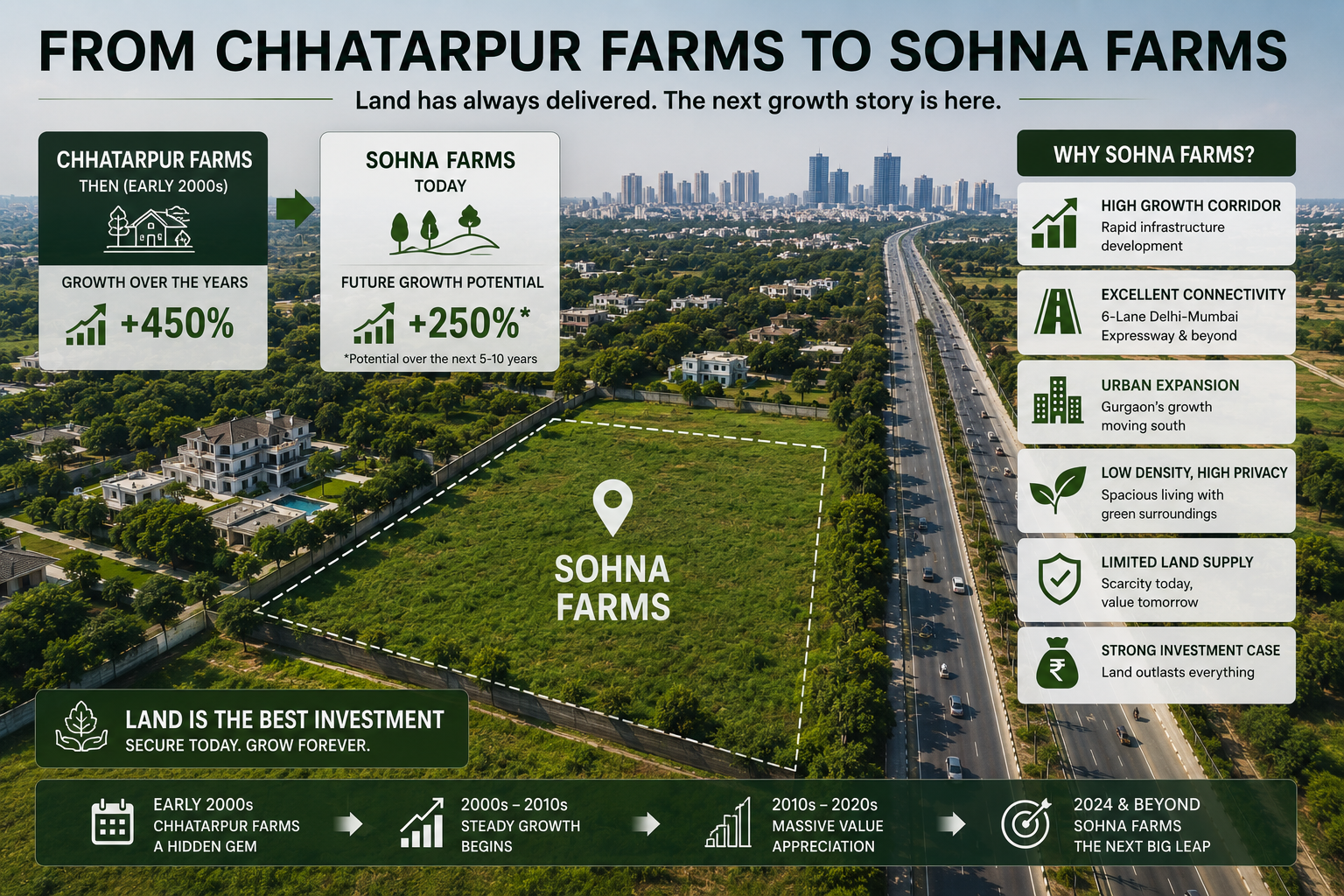
How Chhatarpur Farmhouses Created Multi-Crore Wealth for Early Buyers
What a quiet corner of South Delhi can teach investors about land, scarcity, and long-term wealth creation.
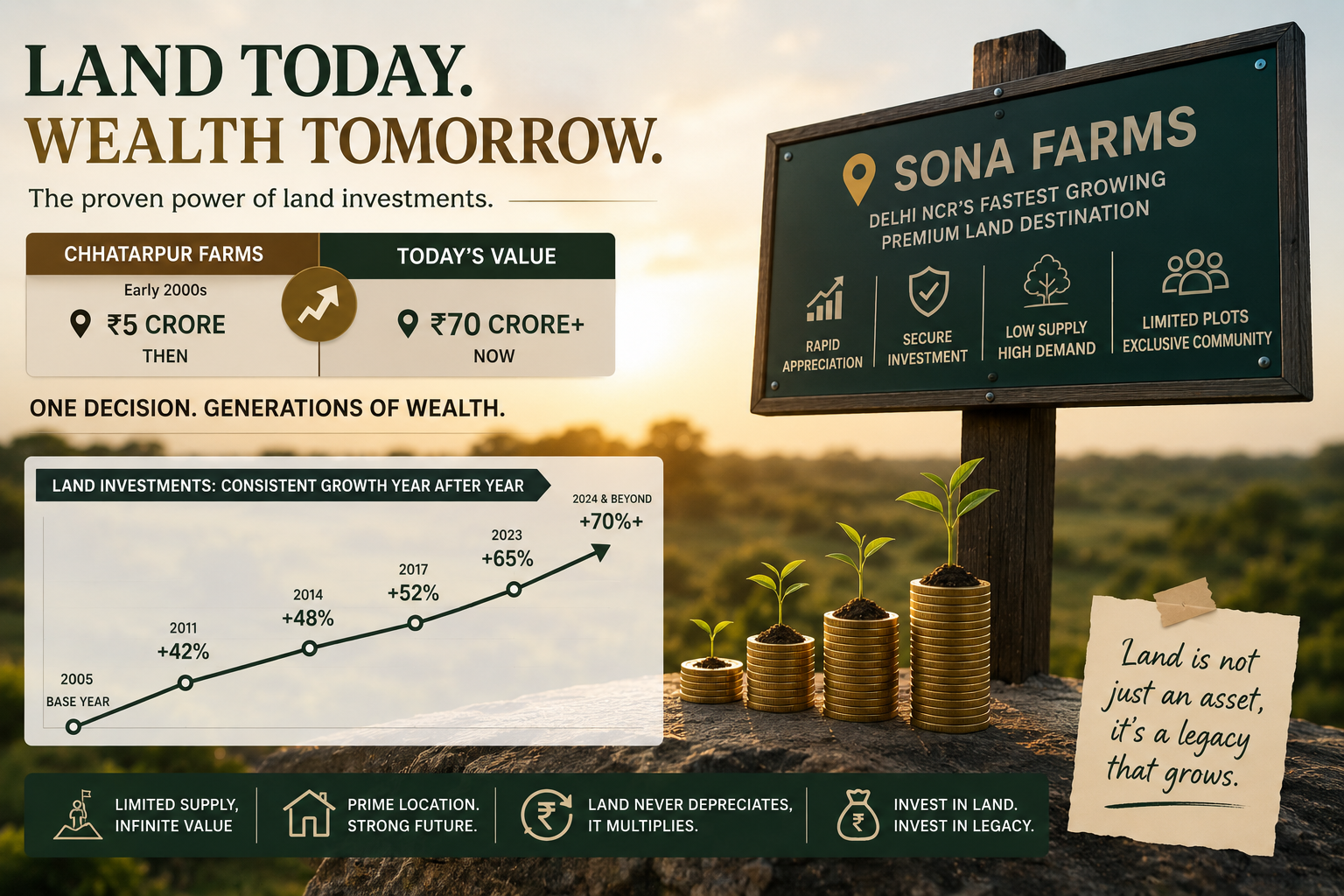
The ₹5 Crore Land Purchase That Became Worth ₹70 Crore
What the Story of DLF Chhatarpur Farms Reveals About Wealth Creation Through Premium Land Ownership
One short email. Stories you can use.
A free, occasional email from our editorial team with our latest features, explainers and reads. Unsubscribe any time — your email stays with us.