The Perilous Pivot: Quick Commerce Grapples with Profitability in the UK
After years of aggressive expansion fuelled by venture capital, the UK's rapid grocery delivery sector faces a sobering reality: proving sustainable margins in a fiercely competitive market.

A Deliveroo rider weaving through central London traffic, navigating a labyrinth of one-way streets to drop off a single grocery order, epitomises the operational challenges quick commerce faces. This scene, replicated thousands of times daily across Britain, underscores the fundamental tension between consumer expectation for instant gratification and the intricate economics of hyper-local logistics. The sector's initial growth trajectory, once heralded as revolutionary, has now entered a phase of intense scrutiny, focusing not on market share gains but on achieving genuine profitability.
The pandemic provided an unprecedented tailwind for quick commerce, as lockdowns accelerated digital adoption and convenience became paramount. Companies like Getir and Gorillas, alongside established players like Just Eat and Deliveroo, expanded rapidly, often offering substantial discounts and free delivery to capture market share. This land-grab strategy, however, relied on a seemingly endless supply of investment capital, a spigot that has tightened considerably in the current economic climate marked by rising interest rates and investor caution.
The Fading Allure of Dark Stores
A key component of the quick commerce model has been the 'dark store' – small, strategically located warehouses that enable rapid fulfilment. While these micro-fulfilment centres address the last-mile challenge, their operating costs are substantial. Rent in high-density urban areas, coupled with staffing requirements for picking, packing, and dispatch, creates a high fixed cost base. The density of orders required to amortise these costs is proving difficult to achieve, particularly as consumers increasingly return to traditional supermarkets for larger shops.
Deliveroo, for instance, has acknowledged the difficulty in making rapid grocery profitable at scale, despite its extensive network. The average order value for quick commerce often remains lower than a traditional supermarket shop, making it harder to cover delivery costs, even after factoring in service fees. This dynamic forces providers to process an exceptionally high volume of transactions, each with inherently thin margins, to approach break-even.
Traditional grocers are not standing idly by. Tesco and Sainsbury's have invested heavily in expanding their own rapid delivery capabilities, often leveraging their existing store networks for fulfilment, which provides a significant cost advantage over pure-play quick commerce companies. Ocado, while focused on larger scheduled deliveries, has also observed shifting consumer preferences as more options become available, adding pressure on the immediate delivery segment.
The quick commerce model, in its purest form, has always contended with a marginal cost structure that demands exceptional operational efficiency and unwavering customer loyalty; neither is easily won.
Strategic Realignment and Consolidation
The financial pressures have led to significant retrenchment. Gorillas' acquisition by Getir, following a period of intense competition and substantial losses, illustrated the beginning of a consolidation wave. Both companies have since announced job cuts and market exits in several European countries, streamlining operations to focus on core profitable territories. This pragmatic shift signals a departure from hyper-growth ambitions towards a more sustainable, albeit slower, path.
For the remaining players, the imperative is clear: develop a path to profitability that does not rely solely on investor subsidies. This involves optimising delivery zones, increasing order density, refining pricing strategies, and carefully selecting product assortments to maximise basket value. The future of quick commerce in the UK will likely involve fewer players, stronger integration with existing retail infrastructure, and a more disciplined approach to unit economics, far removed from the exuberant expansion of recent years.
News Legacy maintains editorial independence. Some recommendations may contain affiliate links. We earn from qualifying purchases at no additional cost to you. Read our policy.
Read Next
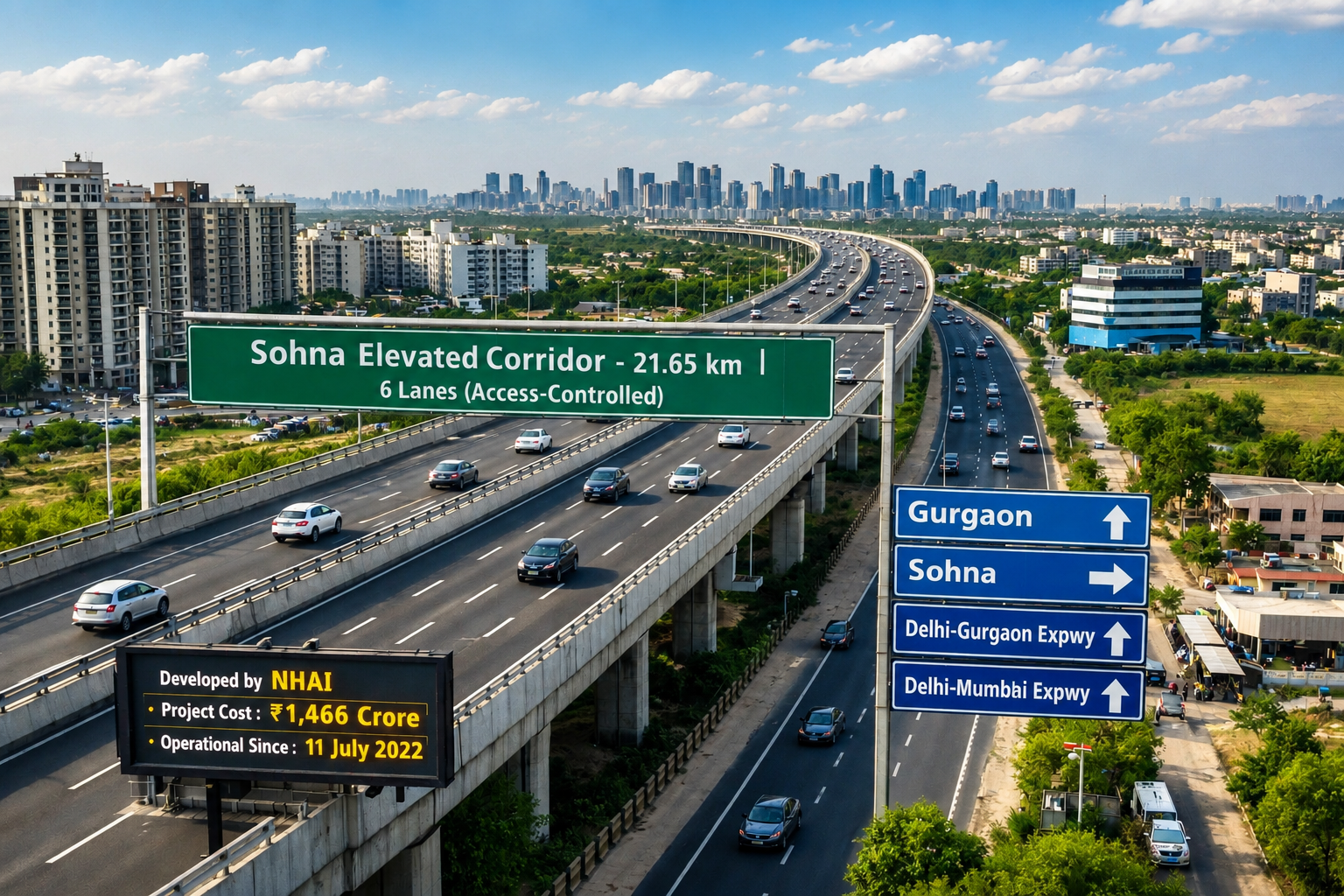
Is Sohna Really the Next Chhatarpur?
Three decades after Chhatarpur redrew South Delhi's map for space, privacy and exclusivity, a familiar pattern is now taking shape further south, and Sohna is where the smart money is beginning to look.
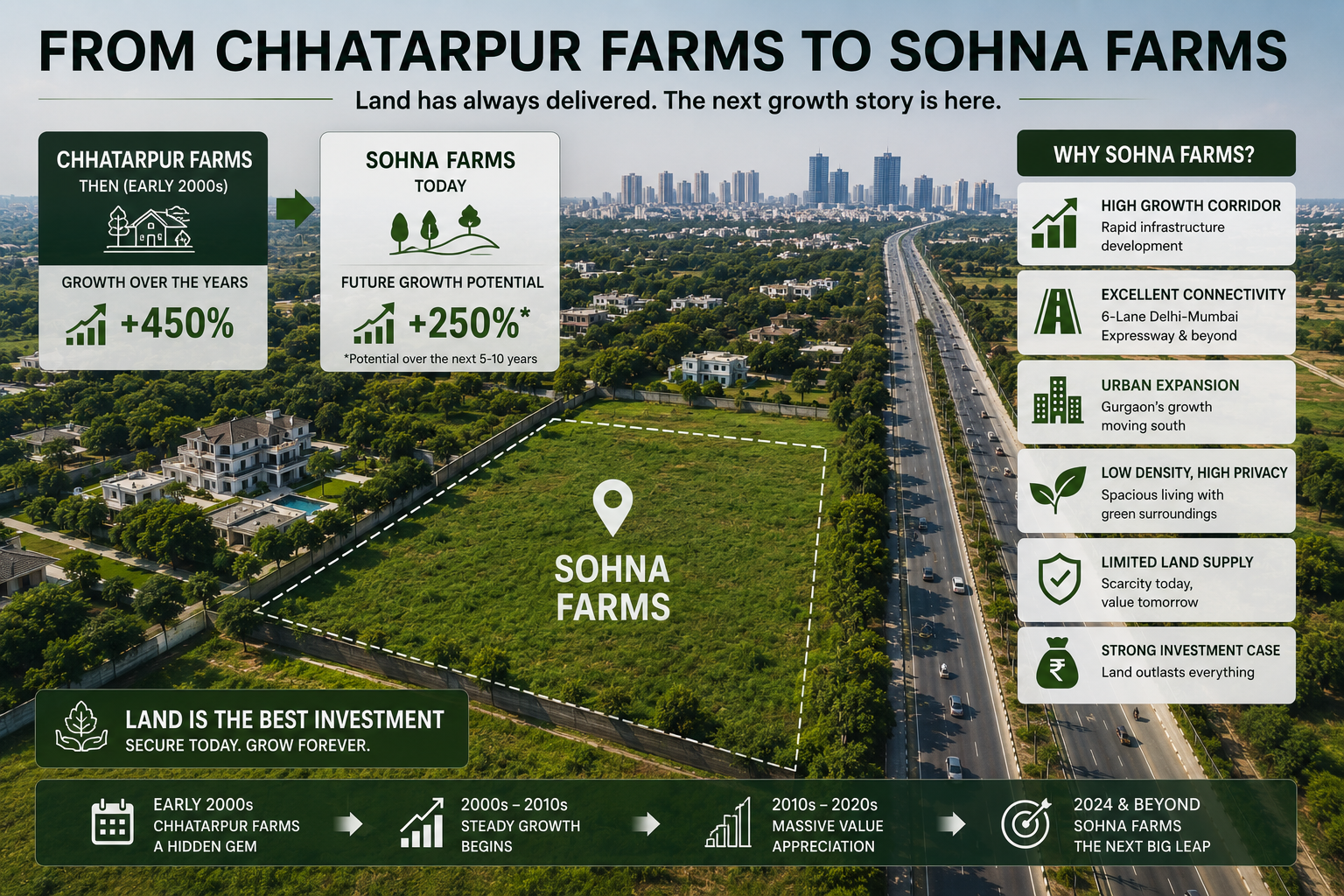
How Chhatarpur Farmhouses Created Multi-Crore Wealth for Early Buyers
What a quiet corner of South Delhi can teach investors about land, scarcity, and long-term wealth creation.

The ₹5 Crore Land Purchase That Became Worth ₹70 Crore
What the Story of DLF Chhatarpur Farms Reveals About Wealth Creation Through Premium Land Ownership
One short email. Stories you can use.
A free, occasional email from our editorial team with our latest features, explainers and reads. Unsubscribe any time — your email stays with us.