The Perilous Pivot: UK Supermarkets Grapple with Digital's Double Edge
Britain's grocery giants are navigating a complex digital terrain, where online growth promises reach but demands substantial, often unrecouped, investment. The pursuit of convenience risks eroding already thin retail margins.

From the bustling aisles of a Tesco Extra to the sleek, automated warehouses serving Ocado, the transformation of how Britons acquire their groceries is undeniable. What began as a niche service for a select few has blossomed into an integral component of the retail landscape, driven by shifting consumer expectations and technological advancements. However, this digital migration presents a profound strategic challenge for established supermarkets, forcing them to reconcile high operational costs with intense price competition.
The pandemic undoubtedly accelerated the adoption of online grocery, cementing habits that might otherwise have taken years to form. While this surge provided a temporary uplift in digital revenues, it also exposed the inherent logistical complexities and capital expenditure required to scale such operations profitably. Unlike fashion retailers such as ASOS or Next, which can often leverage centralised distribution for smaller, higher-margin goods, fresh food demands intricate cold chains, precise delivery windows, and a far greater susceptibility to damage or spoilage.
The Cost of Convenience
Maintaining a robust online delivery infrastructure is an expensive undertaking. Each delivery van represents a depreciating asset, each driver a wage, and each picking operation a labour cost that often exceeds the in-store equivalent. While click-and-collect mitigates some of these expenses, it still requires dedicated staff and spatial allocation within often-constrained store environments. Sainsbury's, for instance, has invested significantly in its online capacity, but the economics of fulfilling a small basket order remain challenging.
The seamless digital experience consumers now expect conceals a labyrinthine backend, where every mile driven and every minute spent picking items directly impacts profitability.
This tension between consumer demand for convenience and the underlying cost structure is not unique to groceries. Deliveroo and Just Eat, despite their ubiquitous presence, continue to wrestle with their path to consistent profitability, often relying on high order volumes and expanding into non-food categories to spread their fixed costs. Supermarkets face an additional hurdle: their core business already operates on notoriously slim margins, making any additional cost burden acutely felt.
Automation's Uneven Promise
Automation offers a potential long-term solution, as evidenced by Ocado's highly automated fulfilment centres. These facilities can process orders with remarkable efficiency, reducing labour costs and improving picking accuracy. However, the upfront capital investment required for such sophisticated robotics and software is astronomical, placing it out of immediate reach for many traditional retailers seeking to convert existing physical footprints.
Moreover, fully automated solutions are not always suitable for every product category or delivery model. The human touch remains crucial for perishable goods, special requests, and the final mile of delivery, where direct customer interaction occurs. Marks & Spencer, with its emphasis on quality and fresh produce, must carefully balance automation with maintaining its brand promise of premium service.
As the UK grocery market matures in its digital evolution, the imperative for retailers will be to optimise their hybrid models. This involves smart inventory management, dynamic pricing strategies that account for delivery costs, and a clear understanding of which customer segments truly value and are willing to pay for premium convenience. The future of grocery retail will be defined not just by who can deliver, but who can deliver sustainably and profitably in an increasingly demanding market.
News Legacy maintains editorial independence. Some recommendations may contain affiliate links. We earn from qualifying purchases at no additional cost to you. Read our policy.
Read Next
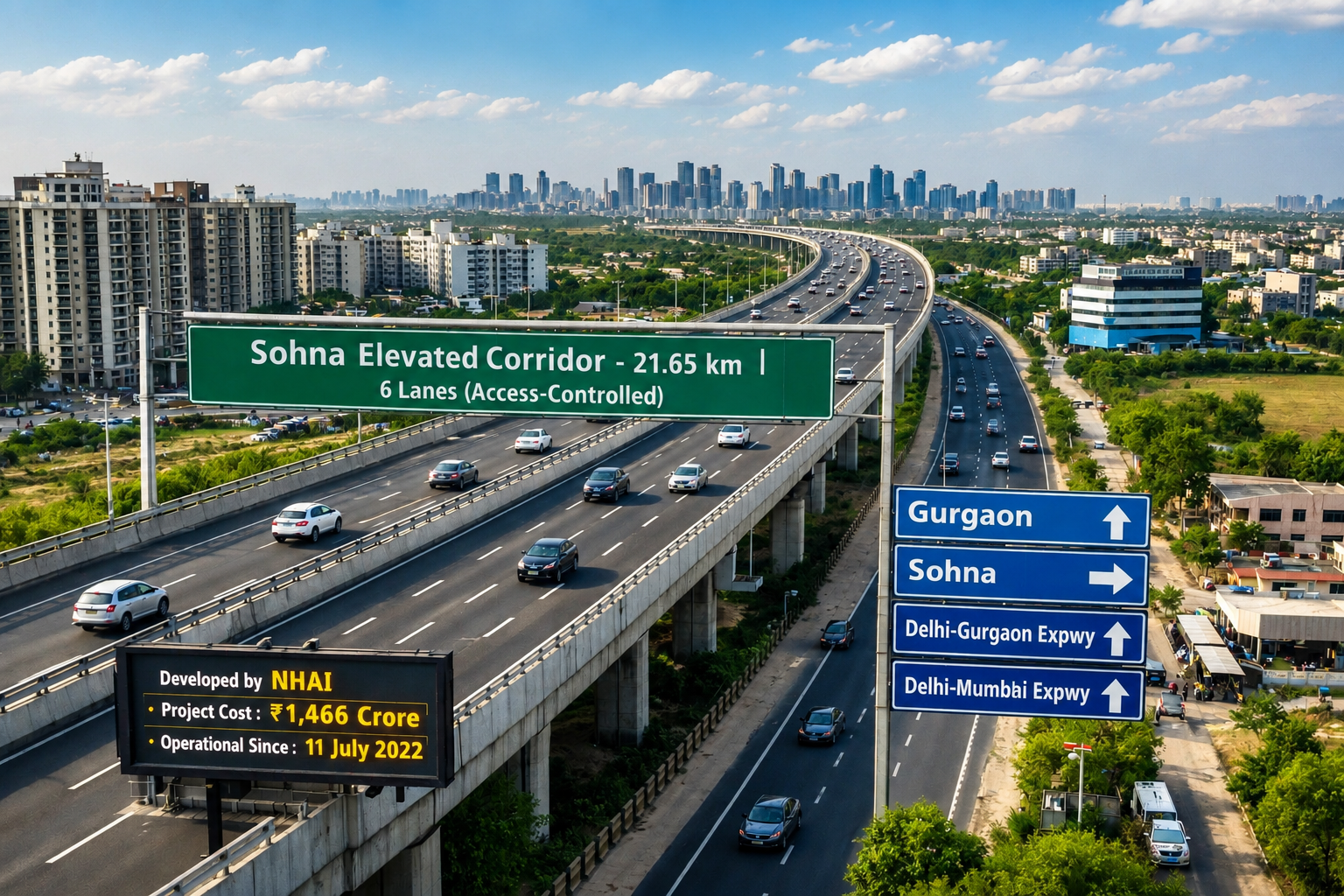
Is Sohna Really the Next Chhatarpur?
Three decades after Chhatarpur redrew South Delhi's map for space, privacy and exclusivity, a familiar pattern is now taking shape further south, and Sohna is where the smart money is beginning to look.
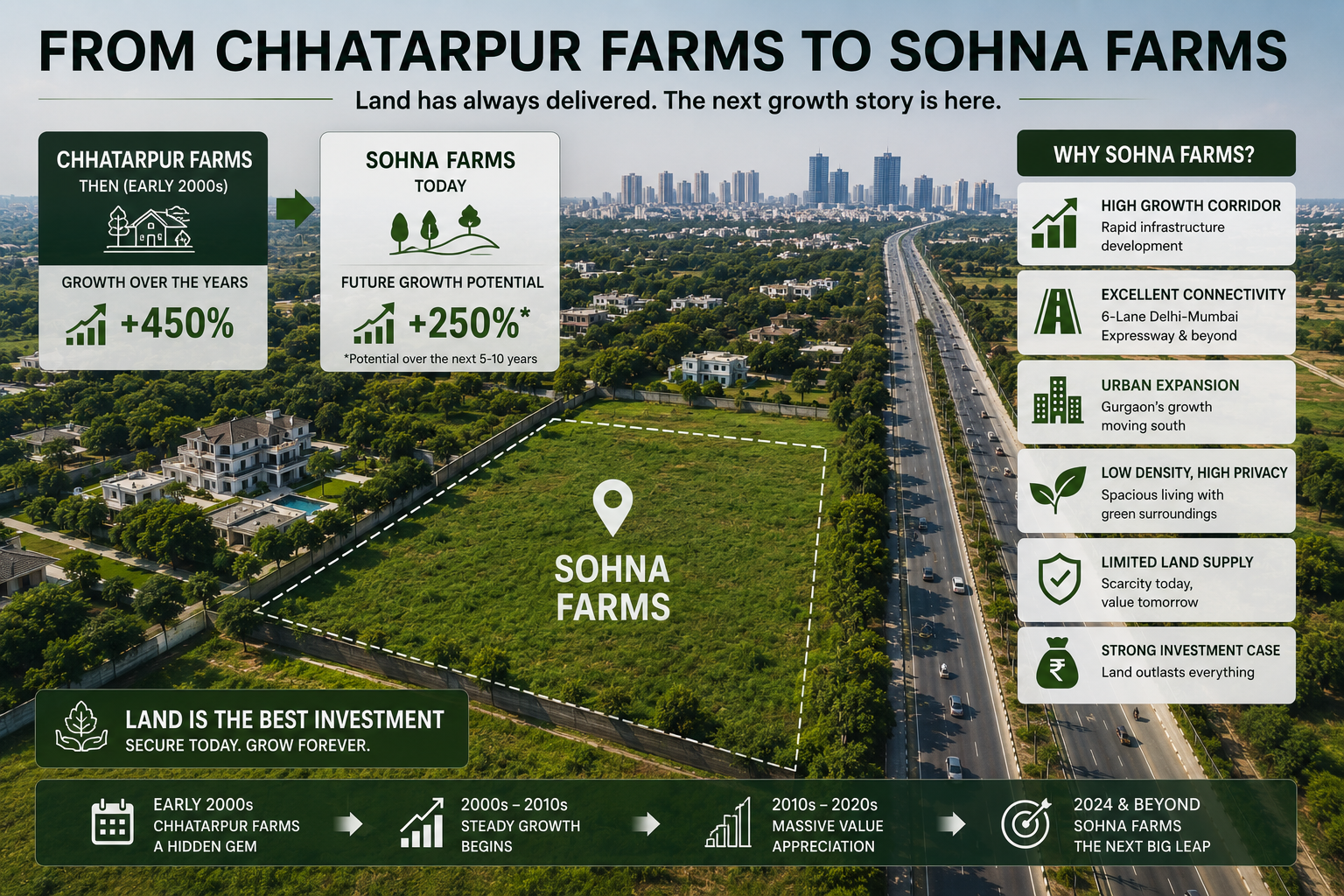
How Chhatarpur Farmhouses Created Multi-Crore Wealth for Early Buyers
What a quiet corner of South Delhi can teach investors about land, scarcity, and long-term wealth creation.
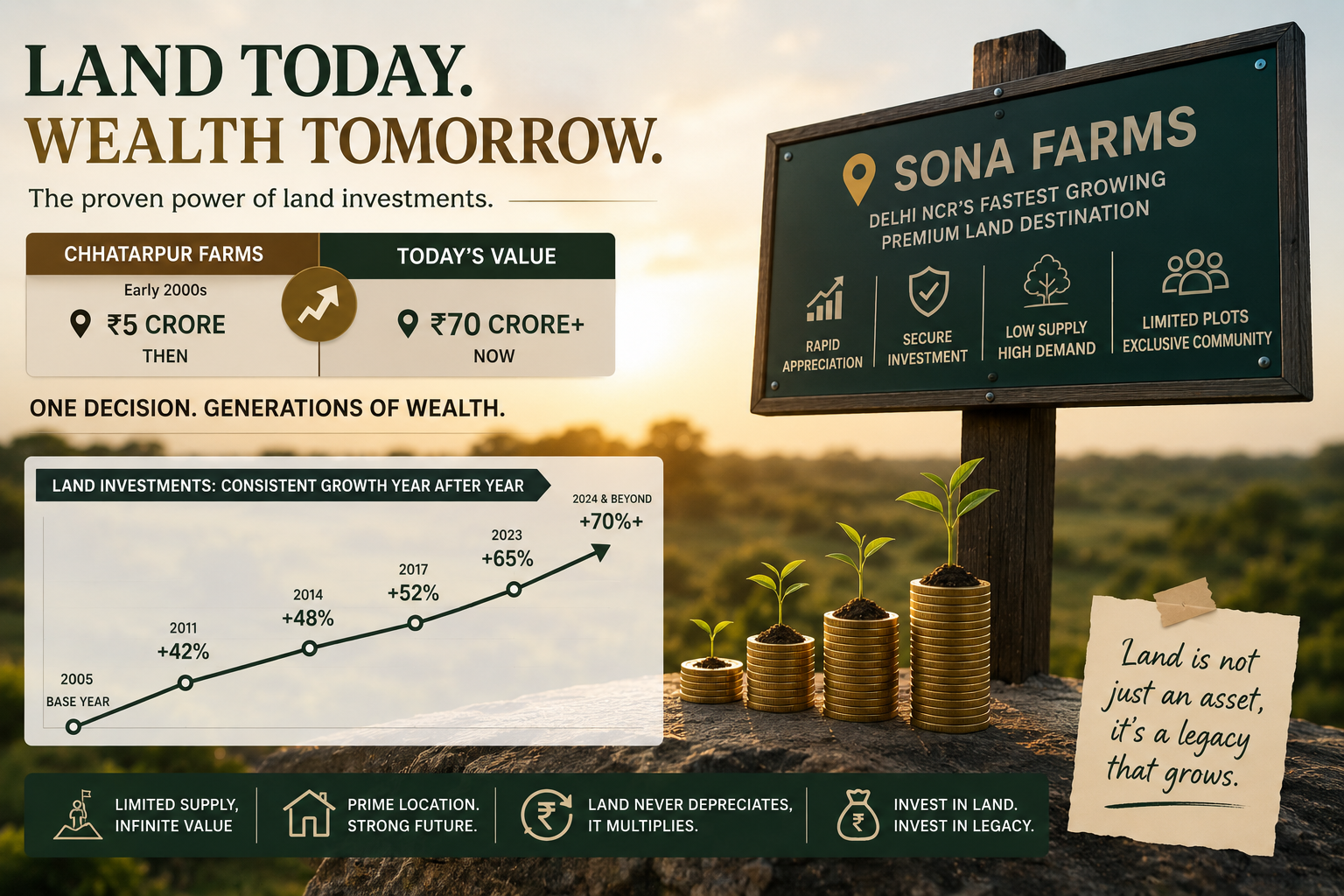
The ₹5 Crore Land Purchase That Became Worth ₹70 Crore
What the Story of DLF Chhatarpur Farms Reveals About Wealth Creation Through Premium Land Ownership
One short email. Stories you can use.
A free, occasional email from our editorial team with our latest features, explainers and reads. Unsubscribe any time — your email stays with us.