The Perilous Pivot: Why UK DTC Brands Are Re-evaluating Their Digital-First Dogma
For a segment of the retail landscape that once championed direct digital engagement above all else, the imperative to establish a physical footprint or diversify distribution channels has become an undeniable strategic necessity.

At a recent investor briefing, the executives of Huel, the UK-based nutrition brand, elaborated on their continued push into mainstream retail channels, highlighting listings with Tesco and Sainsbury's. This move, echoing similar strategies from once staunchly direct-to-consumer (DTC) players like Emma Sleep, illustrates a significant recalibration within a sector that initially predicated its success on bypassing traditional intermediaries. The shift reflects a complex interplay of rising digital acquisition costs, evolving consumer expectations, and the enduring power of established retail infrastructure.
The initial appeal of the DTC model was clear: direct customer relationships, control over branding, and elimination of wholesale margins. For many brands, this enabled rapid scaling and a perceived intimacy with their customer base. However, as the digital advertising landscape matured and platforms like Meta and Google became more competitive, the cost of acquiring a new customer online in the UK has escalated significantly. This renders the economics of purely digital growth increasingly challenging for all but the most niche or high-margin products.
Furthermore, the anticipated 'death of the high street' proved to be an overstatement. While traditional retail has undeniably faced disruption, the resilience of established players and the continued consumer preference for tactile experiences or immediate gratification has created a formidable barrier. British shoppers, particularly in categories like apparel, home goods, and even some consumables, often value the ability to see, touch, or try products before purchase, a facility not easily replicated online.
The Enduring Power of Physical Presence
Marks & Spencer, for instance, despite its own digital transformation efforts, continues to demonstrate the critical role of its extensive store network in building trust and facilitating returns, especially for categories like clothing and food. For a DTC brand, a physical presence, whether through pop-ups, concessions in department stores like John Lewis, or dedicated retail spaces, offers a tangible touchpoint that can significantly enhance brand awareness and customer loyalty, often at a more sustainable customer acquisition cost than purely digital campaigns.
The operational complexities of managing last-mile delivery across the UK also weigh heavily. While disruptors like Deliveroo and Just Eat have carved out niches, the broader e-commerce logistics landscape remains competitive. Traditional supermarkets, with their expansive networks and sophisticated supply chains, including Ocado's highly automated warehouses, often achieve economies of scale and delivery efficiencies that standalone DTC brands struggle to match without significant capital investment.
The notion that a superior digital experience alone could indefinitely insulate a brand from the gravitational pull of established retail dynamics has largely dissolved, replaced by a more pragmatic view of omnichannel integration.
The shift is also evident in partnerships. ASOS and Next, two pillars of UK online fashion retail, have both shown an appetite for integrating third-party brands into their platforms. This provides DTC apparel companies with immediate access to millions of active shoppers, a ready-made logistics network, and the halo effect of an established retailer, albeit at the cost of a margin share. For many, this trade-off is proving increasingly attractive compared to the perpetual battle for digital visibility.
Looking ahead, the landscape for UK DTC brands appears to be one of hybrid strategies. Pure-play digital brands are likely to become rarer, reserved for truly disruptive technologies or hyper-niche markets. The prevailing trend suggests a future where successful brands will seamlessly weave together online convenience with offline experiences, leveraging the strengths of both digital agility and traditional retail infrastructure to navigate the discerning British consumer market.
News Legacy maintains editorial independence. Some recommendations may contain affiliate links. We earn from qualifying purchases at no additional cost to you. Read our policy.
Read Next

Is Sohna Really the Next Chhatarpur?
Three decades after Chhatarpur redrew South Delhi's map for space, privacy and exclusivity, a familiar pattern is now taking shape further south, and Sohna is where the smart money is beginning to look.
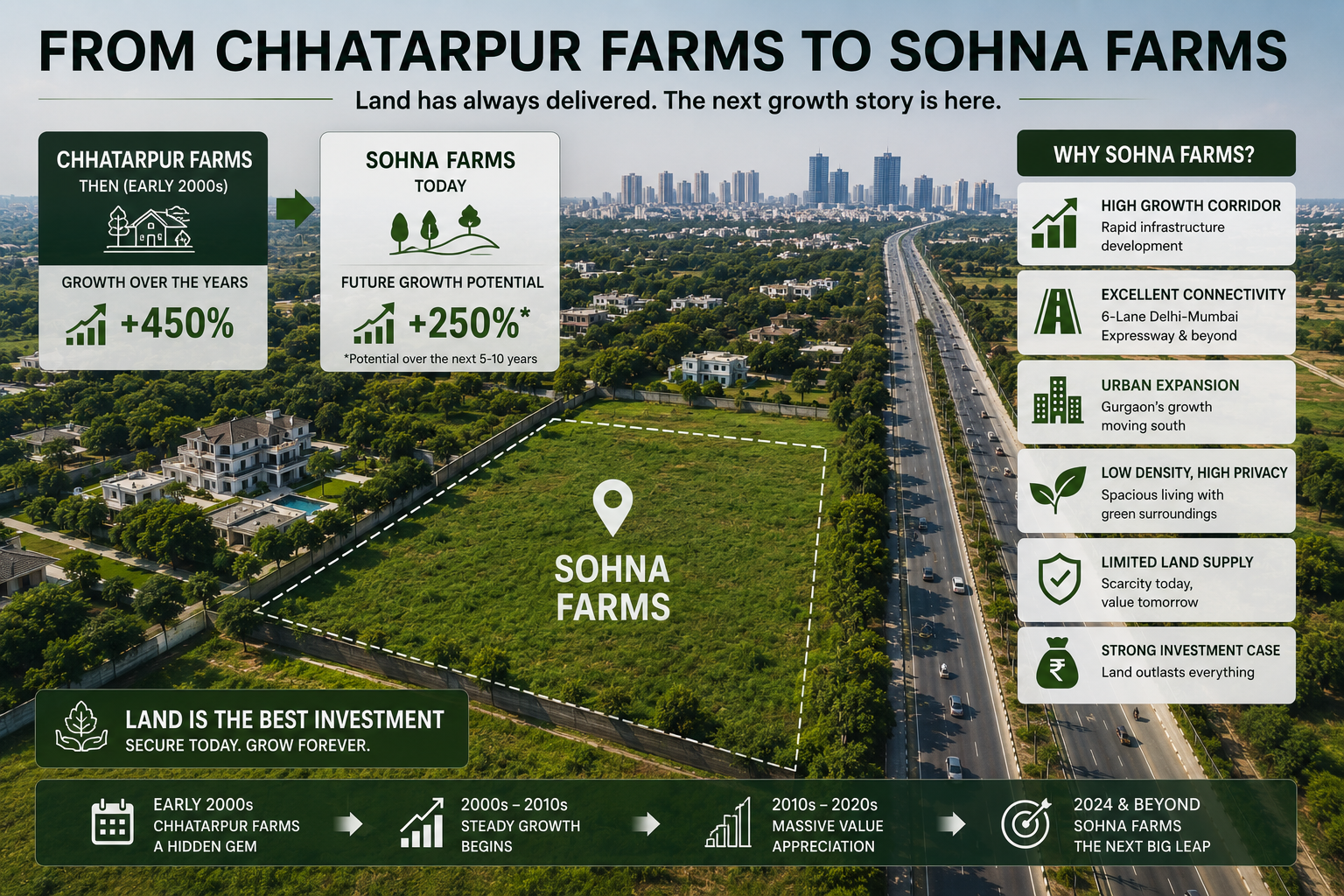
How Chhatarpur Farmhouses Created Multi-Crore Wealth for Early Buyers
What a quiet corner of South Delhi can teach investors about land, scarcity, and long-term wealth creation.
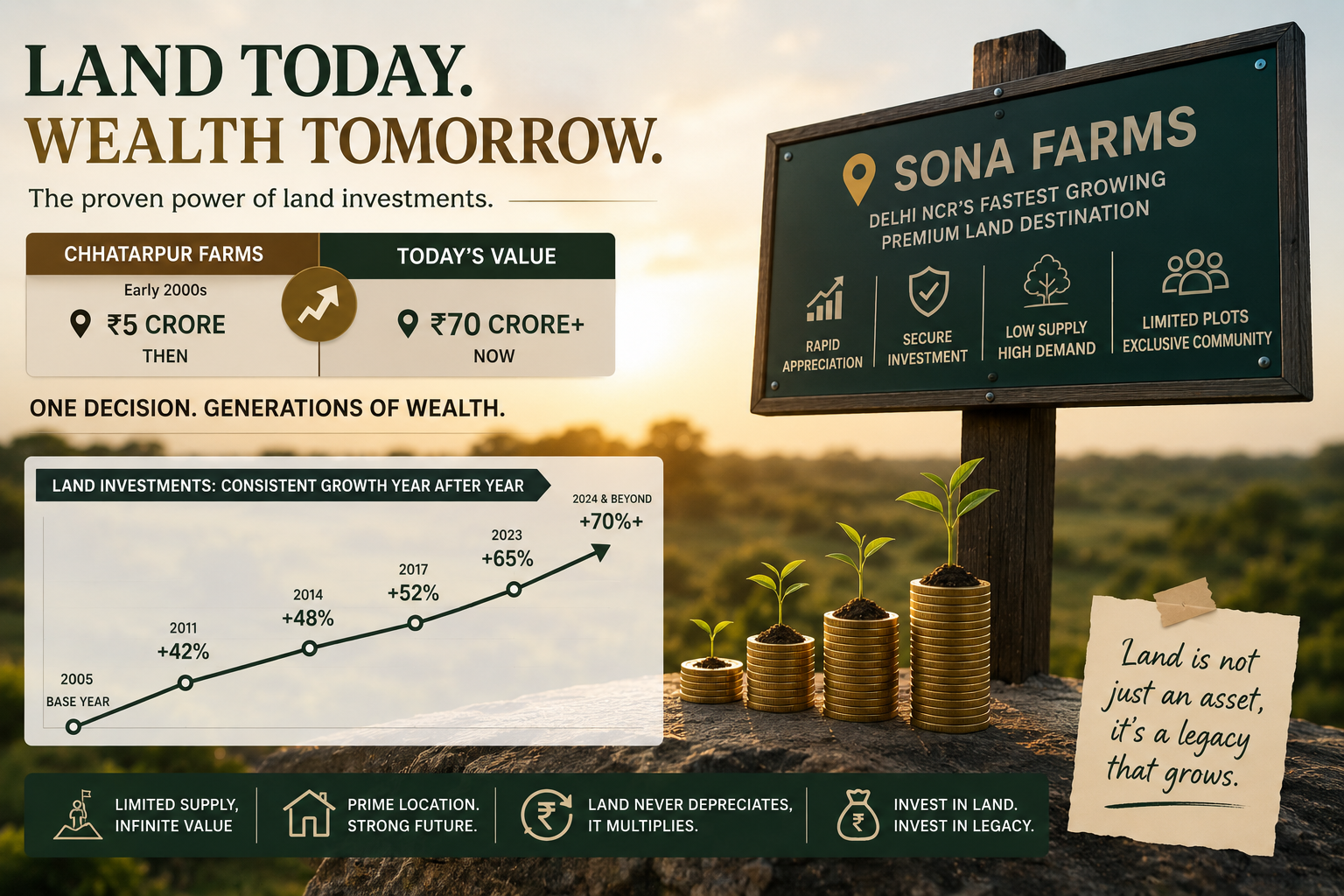
The ₹5 Crore Land Purchase That Became Worth ₹70 Crore
What the Story of DLF Chhatarpur Farms Reveals About Wealth Creation Through Premium Land Ownership
One short email. Stories you can use.
A free, occasional email from our editorial team with our latest features, explainers and reads. Unsubscribe any time — your email stays with us.