The Permanent Shift: How UK Households Are Rewriting the Retail Playbook
For Britain's retailers, the pandemic-era surge in digital adoption and value-consciousness has evolved into a deeply ingrained shift, demanding a fundamental re-evaluation of consumer engagement and operational strategy.

From the bustling aisles of Tesco to the online storefronts of ASOS, a quieter transformation has taken hold across the United Kingdom's retail sector. What began as a crisis-driven adaptation has calcified into new consumer habits, compelling even established giants to rethink core strategies. The initial lockdown-induced pivot to online shopping and heightened awareness of household budgets has not receded with the easing of restrictions, but rather intensified, presenting a sustained challenge for businesses seeking growth.
This sustained behavioural change is evident in a variety of metrics. While e-commerce penetration saw dramatic, double-digit growth in 2020 and 2021, settling slightly post-pandemic, it remains significantly above pre-2020 levels. The Office for National Statistics reported that online retail sales as a proportion of all retail sales in the UK stabilised at around 26-27% by late 2023, a considerable leap from the roughly 19% observed in February 2020. This indicates that a substantial portion of the population now views digital channels not as an alternative, but as a primary shopping method across categories.
The Enduring Quest for Value
Beyond the digital shift, a persistent drive for value has become a defining characteristic of the British consumer. High inflation throughout 2022 and 2023, while now moderating, has ingrained a more cautious approach to spending. Supermarkets like Sainsbury's and Morrisons have noted an increased uptake of loyalty programmes and own-brand products, reflecting a strategic effort by shoppers to mitigate rising costs. Lidl and Aldi, known for their discount models, have continued to expand their market share, underscoring this trend.
This emphasis on value extends beyond groceries. Discretionary spending has seen a reallocation, with consumers prioritising experiences over goods, or seeking out promotions and sales events for larger purchases. Retailers like Next, known for its consistent performance, have adapted by refining inventory management and enhancing promotional strategies to capture this discerning customer base.
Rebalancing Digital and Physical Footprints
The sustained importance of online channels does not, however, signal the demise of physical retail. Instead, it necessitates a more strategic integration. Many high street brands are now leveraging their brick-and-mortar locations as click-and-collect hubs, enhancing the efficiency of online orders while still drawing foot traffic. Marks & Spencer, for example, has continued to invest in store refits and digital integration, aiming for a seamless customer journey that blends both realms.
The retailers who will thrive are those that understand the interconnectedness of online convenience, physical experience, and an unwavering commitment to perceived value.
The growth of rapid delivery services, epitomised by platforms like Deliveroo and Just Eat, illustrates another facet of this evolving consumer expectation: instant gratification. While their primary focus has been food, the underlying demand for speed and convenience is increasingly influencing other retail sectors. Ocado's success in grocery delivery highlights the operational complexities and capital investment required to meet such demands at scale, setting a new benchmark for customer service.
Looking forward, the UK retail landscape is unlikely to revert to its pre-2020 form. The digital acceleration and ingrained value-seeking behaviours represent a fundamental reorientation. For retailers, this implies an ongoing imperative to invest in robust e-commerce platforms, optimise supply chains for efficiency, and cultivate loyalty through competitive pricing and personalised offerings. Those that fail to grasp the permanence of these shifts risk becoming anachronisms in a market that has definitively moved forward.
News Legacy maintains editorial independence. Some recommendations may contain affiliate links. We earn from qualifying purchases at no additional cost to you. Read our policy.
Read Next
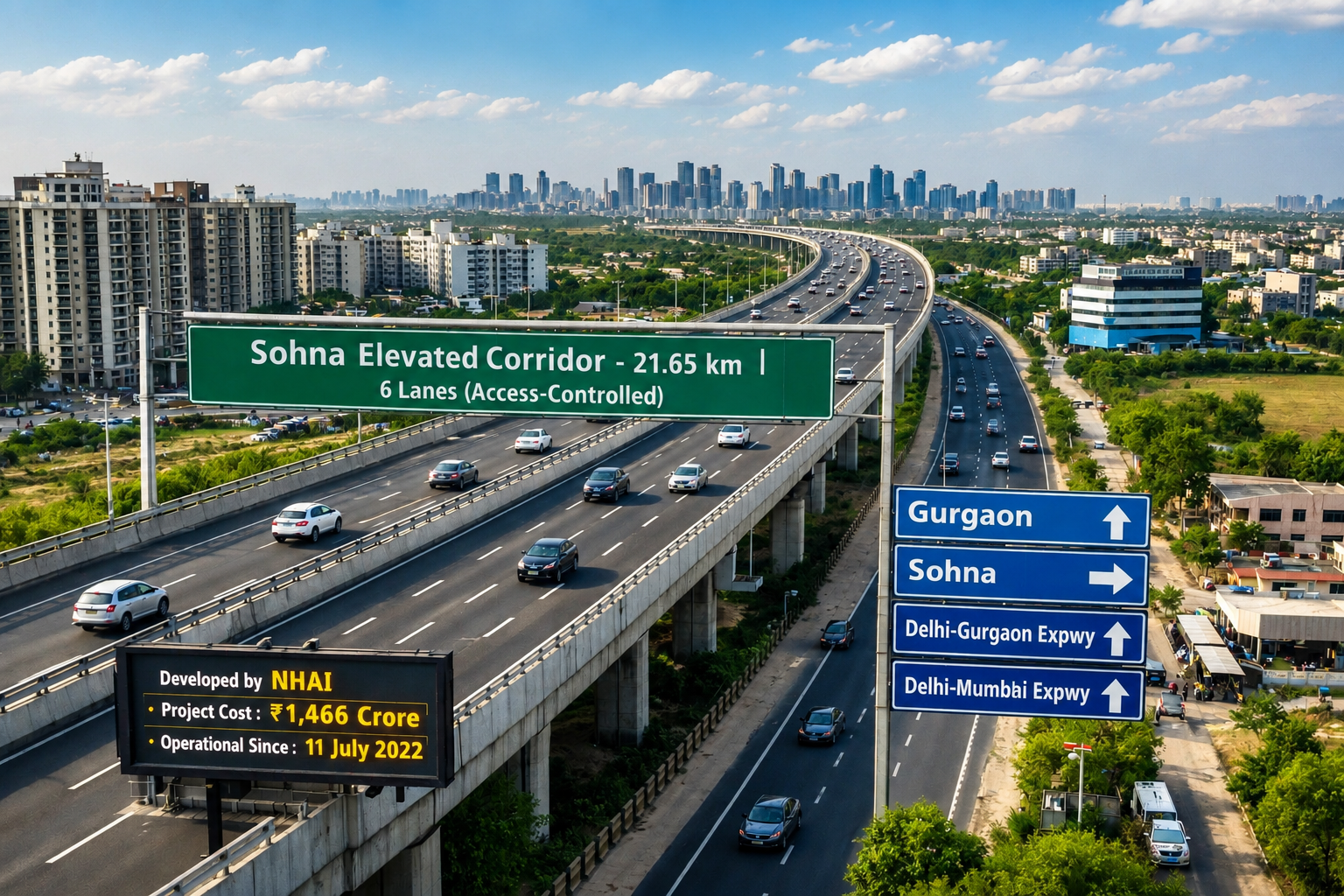
Is Sohna Really the Next Chhatarpur?
Three decades after Chhatarpur redrew South Delhi's map for space, privacy and exclusivity, a familiar pattern is now taking shape further south, and Sohna is where the smart money is beginning to look.
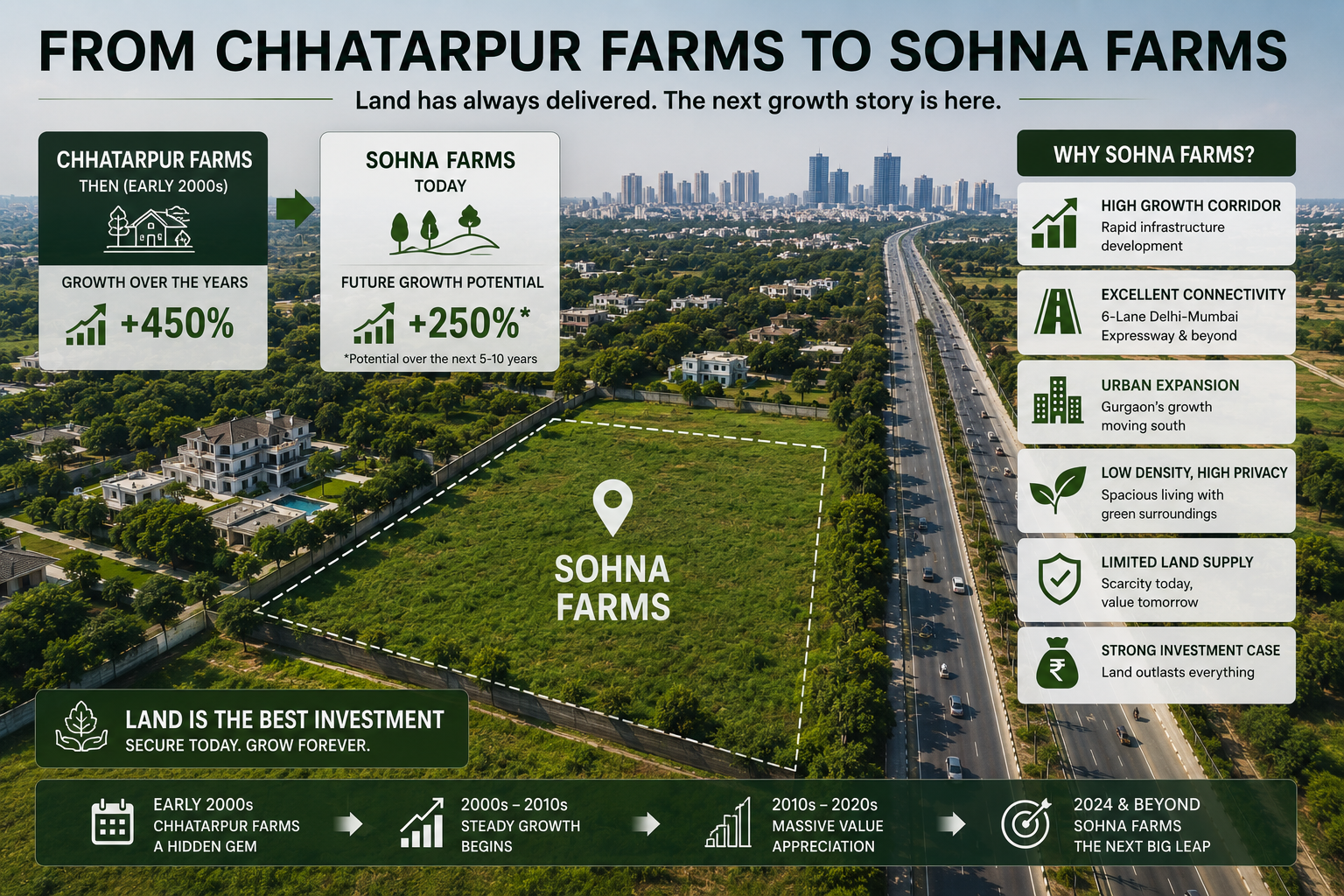
How Chhatarpur Farmhouses Created Multi-Crore Wealth for Early Buyers
What a quiet corner of South Delhi can teach investors about land, scarcity, and long-term wealth creation.
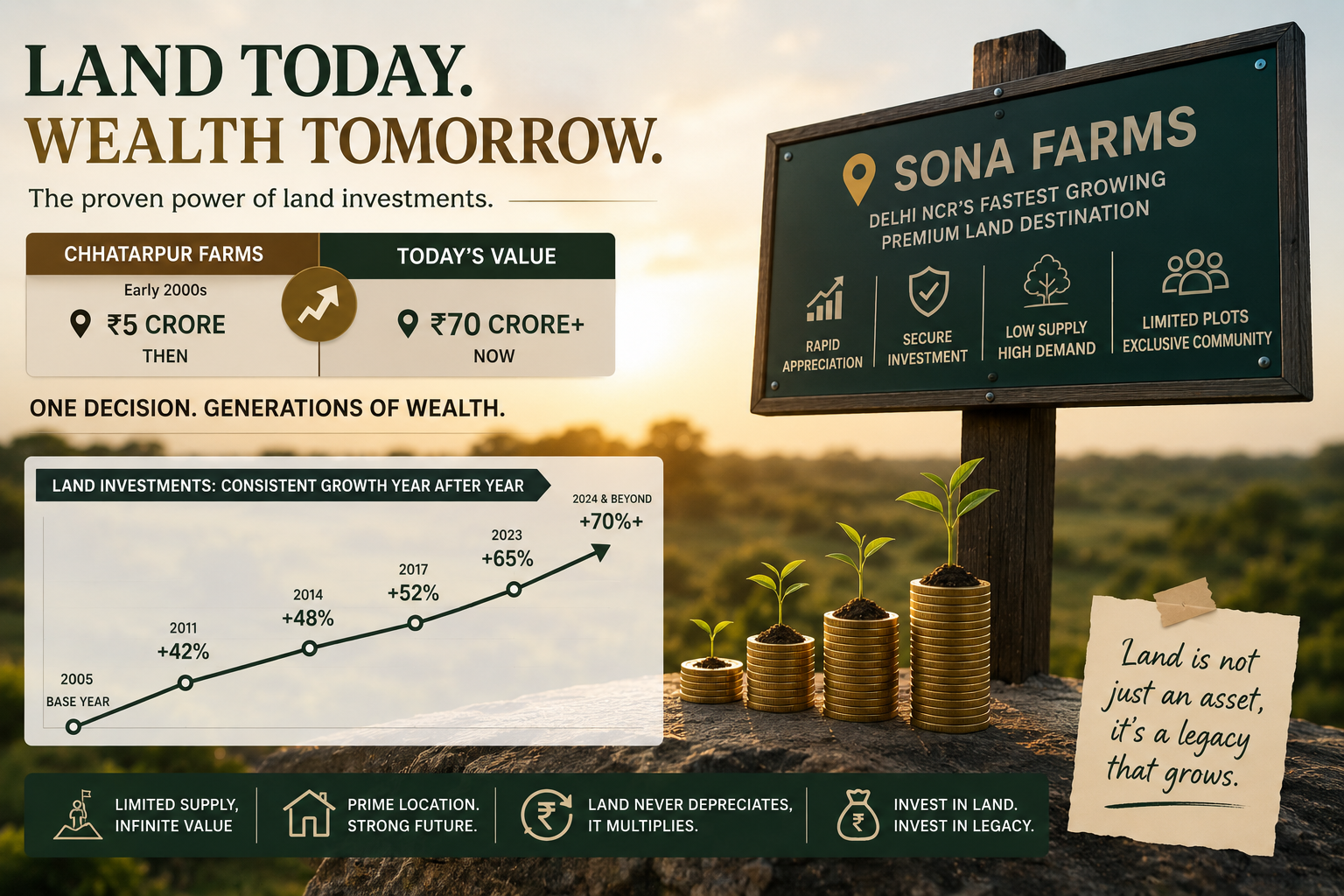
The ₹5 Crore Land Purchase That Became Worth ₹70 Crore
What the Story of DLF Chhatarpur Farms Reveals About Wealth Creation Through Premium Land Ownership
One short email. Stories you can use.
A free, occasional email from our editorial team with our latest features, explainers and reads. Unsubscribe any time — your email stays with us.