The Permanent Shift: How UK Retailers Are Adapting to Enduring Thrift
For Britain's retailers, the era of discretionary spending constraint appears to be hardening into a structural reality, demanding more than temporary price adjustments. Companies are recalibrating their fundamental propositions to navigate a consumer landscape defined by persistent value-seeking.

At a recent Tesco store in outer London, the shift was subtle but discernible: more prominent displays of own-brand staples, an expanded focus on value bundles, and a notable absence of the premium indulgences that once filled promotional end-caps. This granular recalibration at the point of sale reflects a broader strategic pivot underway across the UK retail sector, as businesses confront what many now view as an entrenched era of consumer thrift, rather than a transient blip.
Initial expectations that the recent inflationary squeeze would eventually give way to a resurgence of pre-pandemic spending habits have largely dissolved. Instead, the past eighteen months have seen UK households meticulously scrutinising expenditure, a behaviour now deeply embedded. This presents a complex challenge for retailers, requiring not just tactical price cuts but a fundamental re-evaluation of product lines, supply chains, and customer engagement strategies.
Supermarkets, in particular, have been at the vanguard of this adjustment. Sainsbury's, for instance, has invested heavily in its 'Nectar Prices' loyalty scheme, offering personalised discounts that reward consistent shopping at the chain. This move aims to foster loyalty and provide a perception of direct savings, a crucial differentiator in a market where discounters like Aldi and Lidl continue to gain significant market share from the 'big four'. Ocado, traditionally positioned at the premium end, has likewise broadened its product assortment to include more mid-tier and value options, acknowledging that even affluent consumers are exhibiting greater price sensitivity.
The E-Commerce Conundrum
The digital retail space, once perceived as immune to these pressures due to its convenience, is also feeling the strain. ASOS and Next, two bellwethers of UK fashion e-commerce, have reported increased consumer hesitancy and a discernible pull back from impulse purchases. While online penetration remains high, the basket size and frequency of transactions have softened, particularly for non-essential items. This necessitates a renewed focus on inventory management, reducing markdowns, and enhancing the perceived value proposition through faster delivery or improved customer service, rather than solely competing on price.
For food delivery platforms like Deliveroo and Just Eat, the impact manifests as a slight contraction in order volumes or a shift towards less expensive meal options. The 'treat yourself' mentality, which fuelled their growth, has become a more occasional indulgence rather than a regular habit for many households. These platforms are now exploring subscriptions and exclusive offers to maintain customer engagement and loyalty in a more challenging environment.
The market demands a holistic value proposition, integrating price, quality, and convenience without compromise. Retailers must earn every pound.
Repositioning for Resilience
Marks & Spencer offers a compelling case study in strategic adaptation. Having spent years repositioning its food offering towards quality and convenience, it has recently underscored its value credentials without undermining its premium image. Its clothing division, too, has focused on core wardrobe staples and enhanced fit, aiming for longevity and utility rather than fleeting trends. This nuanced approach acknowledges that 'value' is not solely about being cheap, but about delivering lasting utility and quality for the price paid.
The implications extend beyond mere pricing strategies. Retailers are examining their supply chains for efficiencies, investing in automation where labour costs are high, and leveraging data analytics to predict demand with greater precision. The goal is to minimise waste and optimise stock levels, thereby protecting margins in an environment where consumers are less forgiving of unnecessary overheads being passed on.
The enduring shift in UK consumer behaviour demands more than short-term tactical responses. It necessitates a strategic overhaul for many businesses, prioritising robust value propositions, efficient operations, and a keen understanding of a consumer base now permanently attuned to the pound in their pocket. Retailers that embrace this new reality with agility and innovation are best positioned to secure market share in the years ahead.
News Legacy maintains editorial independence. Some recommendations may contain affiliate links. We earn from qualifying purchases at no additional cost to you. Read our policy.
Read Next

Is Sohna Really the Next Chhatarpur?
Three decades after Chhatarpur redrew South Delhi's map for space, privacy and exclusivity, a familiar pattern is now taking shape further south, and Sohna is where the smart money is beginning to look.
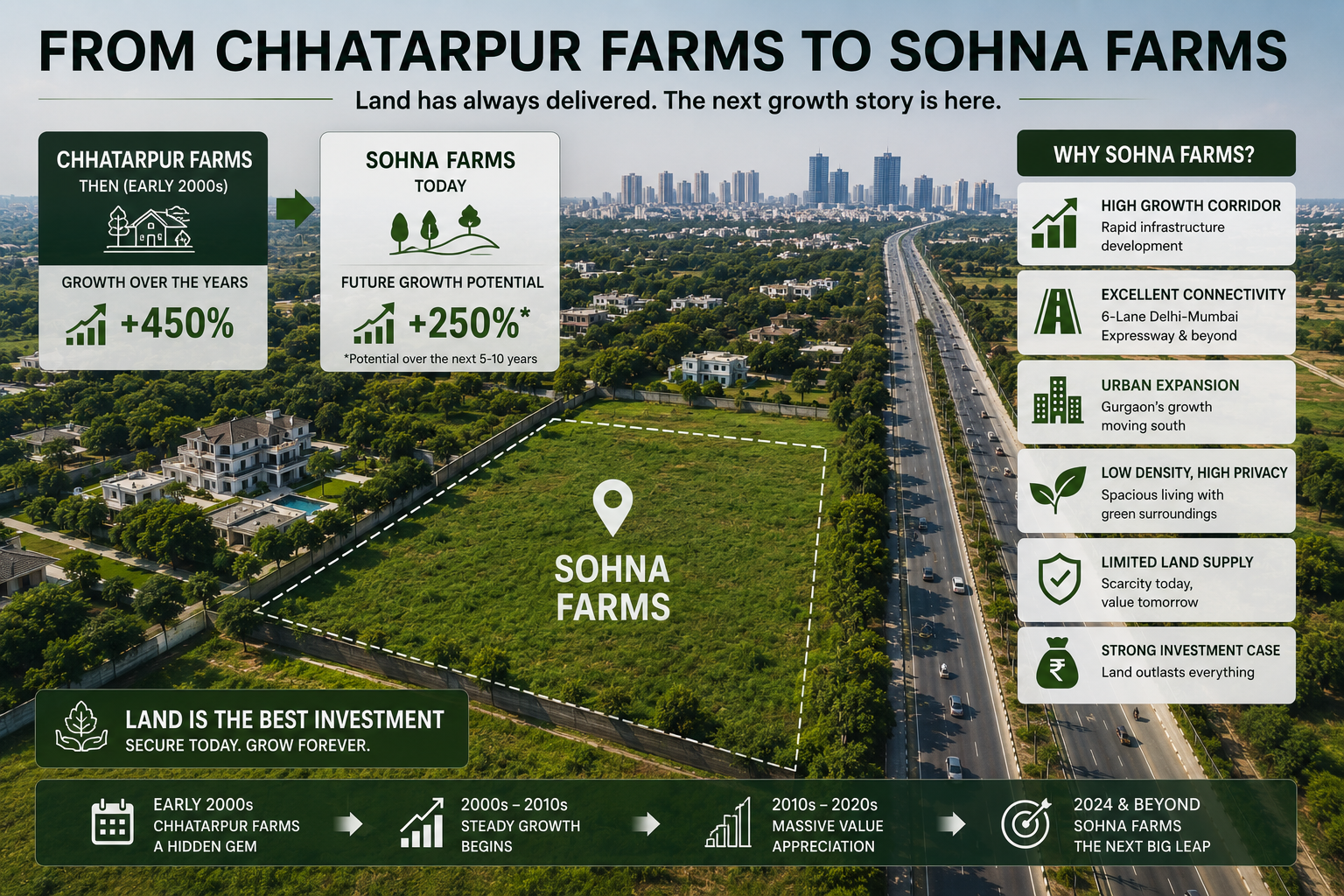
How Chhatarpur Farmhouses Created Multi-Crore Wealth for Early Buyers
What a quiet corner of South Delhi can teach investors about land, scarcity, and long-term wealth creation.

The ₹5 Crore Land Purchase That Became Worth ₹70 Crore
What the Story of DLF Chhatarpur Farms Reveals About Wealth Creation Through Premium Land Ownership
One short email. Stories you can use.
A free, occasional email from our editorial team with our latest features, explainers and reads. Unsubscribe any time — your email stays with us.