The Post-Pandemic Pivot: UK Online Retailers Grapple with Persistent Returns
After years of accelerated digital adoption, British e-commerce platforms are confronting a structural challenge in merchandise returns, impacting profitability and operational efficiency as consumer habits stabilise.

While Ocado continues to expand its automated warehouse infrastructure and Next reports robust online sales growth, a less glamorous but financially significant issue is casting a shadow across the UK e-commerce sector: the escalating volume and cost of product returns. This operational friction, exacerbated by the sheer scale of pandemic-driven online purchasing, is now a critical factor influencing balance sheets and strategic decisions for retailers from Marks & Spencer to ASOS.
The surge in digital transactions during lockdowns brought unprecedented opportunities for growth but also embedded new consumer behaviours, particularly the 'buy-to-try' phenomenon. Shoppers, deprived of physical store experiences, frequently ordered multiple sizes or variations of an item with the intention of keeping only one. This convenience, once a competitive differentiator, has morphed into a complex logistical and financial burden, particularly for apparel and electronics retailers.
Analysis of recent financial disclosures reveals that return rates, especially in fashion, have not merely reverted to pre-pandemic levels; they have often settled at a higher baseline. While exact figures vary between sectors, some apparel companies are reporting return rates comfortably exceeding 30% for online purchases, a notable increase compared to in-store equivalents which typically hover in the single digits. This disparity highlights a fundamental divergence in the shopping experience that retailers are still adjusting to.
The Hidden Cost of Convenience
Each returned item incurs a chain of costs: reverse logistics, processing, quality control, repackaging, and often, markdown losses if the item cannot be resold at full price. For smaller items, the cost of processing a return can sometimes exceed the item's original retail value. Large retailers like Tesco, while primarily groceries, face similar challenges with general merchandise, albeit at lower frequency. The cumulative impact on gross margins is substantial, prompting strategic re-evaluations across the industry.
The industry has spent years optimising outbound delivery; the next frontier of efficiency gains lies in mastering the inbound flow of returned goods.
Firms such as ASOS and Boohoo, heavily reliant on fashion e-commerce, have been particularly exposed. Their business models, built on rapid inventory turnover and extensive product lines, are now contending with significant capital tied up in transit and processing. This requires not just better warehouse management but also more sophisticated data analytics to predict return patterns and influence purchasing decisions pre-sale.
Navigating the Policy Tightrope
Retailers face a delicate balancing act. Imposing stricter return policies or charging for returns risks alienating customers who have come to expect free and easy service. Yet, maintaining the status quo erodes profitability. Some have begun experimenting: Zara, for instance, introduced a charge for online returns collected at third-party drop-off points in the UK, a move that prompted careful observation from competitors. Marks & Spencer, with its hybrid physical and online presence, is perhaps better positioned to offer convenient in-store return options that mitigate some logistical costs.
The challenge extends beyond individual corporate strategies, touching upon broader infrastructure. Deliveroo and Just Eat, while not directly managing product returns, exemplify the consumer expectation for immediate gratification and convenience that implicitly fuels higher return rates in product sectors. As UK consumers become more discerning with their discretionary spending amid economic pressures, the industry will need to find innovative solutions to temper the returns phenomenon without sacrificing customer loyalty.
News Legacy maintains editorial independence. Some recommendations may contain affiliate links. We earn from qualifying purchases at no additional cost to you. Read our policy.
Read Next
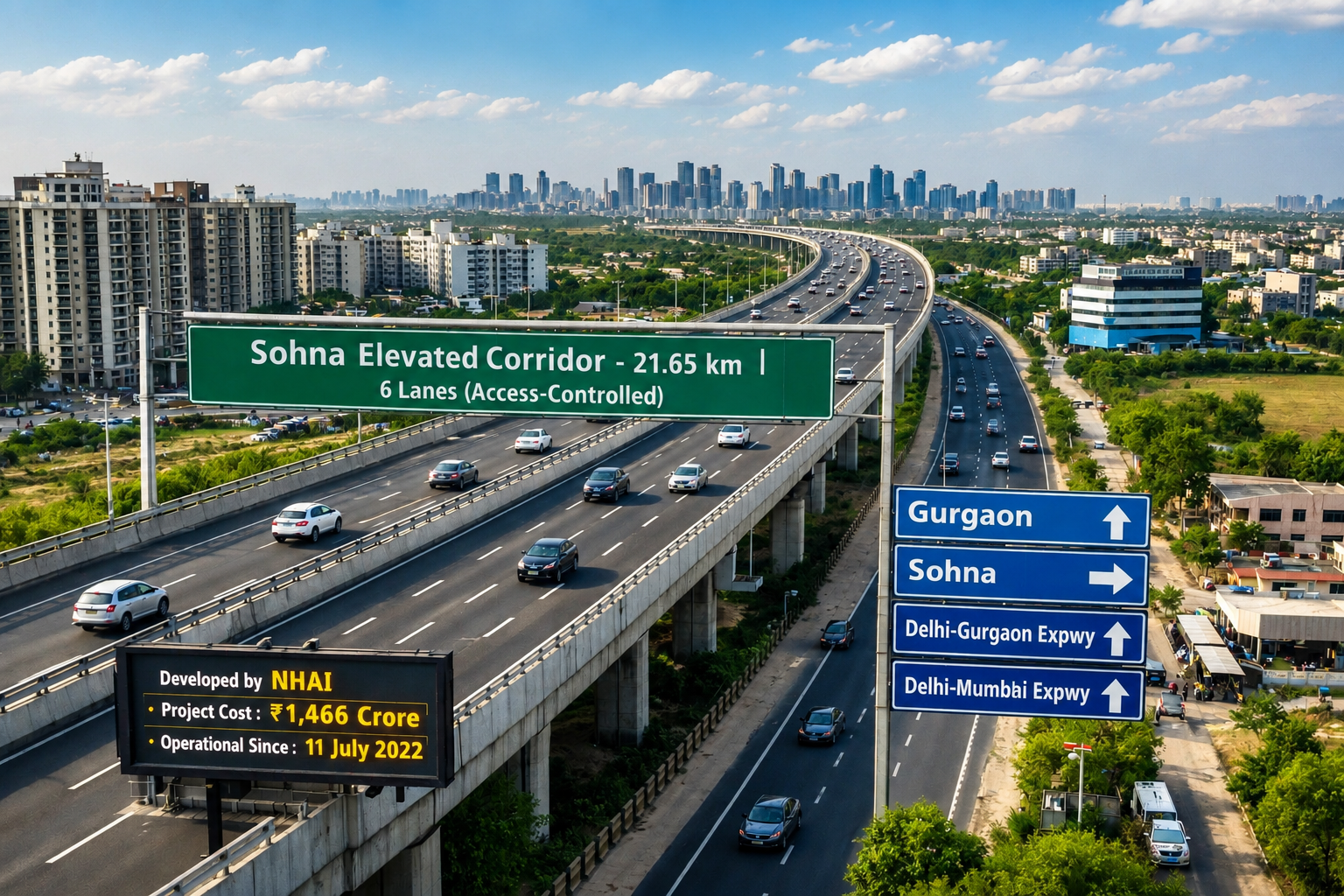
Is Sohna Really the Next Chhatarpur?
Three decades after Chhatarpur redrew South Delhi's map for space, privacy and exclusivity, a familiar pattern is now taking shape further south, and Sohna is where the smart money is beginning to look.
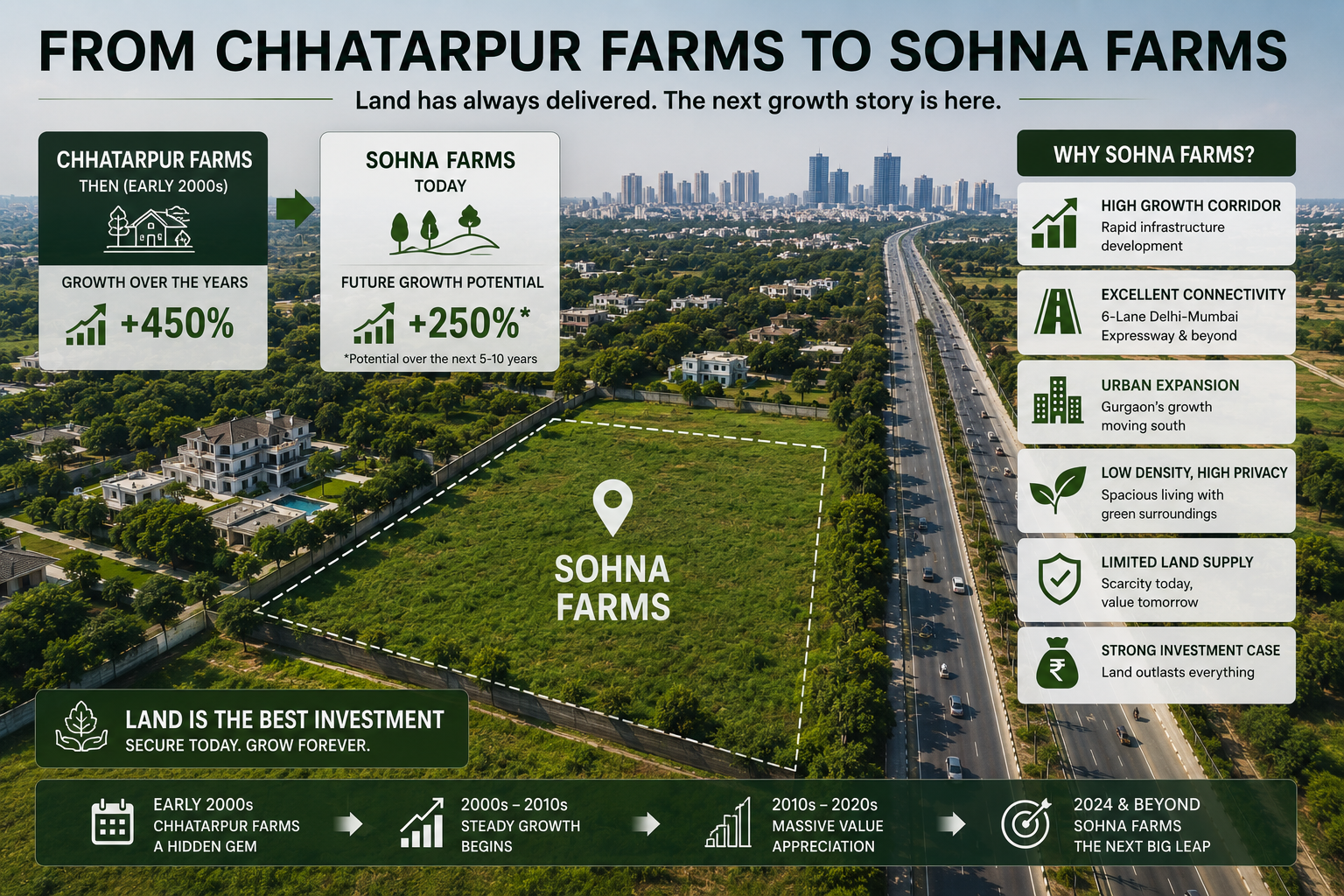
How Chhatarpur Farmhouses Created Multi-Crore Wealth for Early Buyers
What a quiet corner of South Delhi can teach investors about land, scarcity, and long-term wealth creation.

The ₹5 Crore Land Purchase That Became Worth ₹70 Crore
What the Story of DLF Chhatarpur Farms Reveals About Wealth Creation Through Premium Land Ownership
One short email. Stories you can use.
A free, occasional email from our editorial team with our latest features, explainers and reads. Unsubscribe any time — your email stays with us.