The Post-Pandemic Retail Reckoning: UK's Digital Debt Piles Up
The swift shift to online channels during the pandemic created short-term gains for UK retailers, but many now grapple with the enduring costs of expanding digital infrastructure and recalibrating their physical footprints for a hybrid consumer.

From the sprawling automated warehouses of Ocado to the more modest click-and-collect points integrated into Tesco superstores, the digital acceleration of the past few years has reshaped how British shoppers acquire goods. The imperative to serve customers at home during successive lockdowns forced rapid investment in e-commerce platforms, delivery networks, and fulfilment capabilities. While some retailers, like ASOS, were inherently positioned for this shift, others, such as Marks & Spencer, had to pivot with considerable speed, incurring significant operational expenditures that continue to reverberate through their balance sheets.
The initial surge in online sales often masked the underlying complexities and costs associated with digital growth. Processing returns, managing last-mile logistics, and maintaining sophisticated IT infrastructure are inherently more expensive than traditional in-store transactions. Even for companies like Next, lauded for its early embrace of online retail, the margins on digital sales can be thinner when factoring in the entire operational ecosystem from warehouse picking to doorstep delivery.
The Uneven Burden of Digital Transformation
The financial implications of this transformation are becoming increasingly clear. Deliveroo and Just Eat, despite their ubiquity, have consistently faced challenges in achieving sustainable profitability, highlighting the fine margins in high-volume, low-value delivery services. While essential for consumer convenience, the unit economics are demanding, requiring immense scale and operational efficiency to turn a consistent profit. Their struggles often reflect the broader pressures on retailers offering similar delivery propositions.
For traditional grocers, the challenge has been particularly acute. Pre-pandemic, online grocery penetration in the UK lagged behind other markets. The subsequent leap meant not just expanding delivery fleets but also optimising store layouts for dark store operations or efficient picking, effectively running two distinct businesses under one roof. Sainsbury's, for instance, has invested heavily in its digital capabilities, yet the capital expenditure required to keep pace with demand and maintain a competitive edge remains substantial.
The expectation of instant gratification, coupled with a preference for value, means retailers must find innovative ways to absorb rising operational costs without alienating a price-sensitive consumer base.
This capital intensity has created a divergence in the retail landscape. Companies that already possessed robust digital frameworks could accelerate more smoothly, consolidating their market positions. Others, playing catch-up, have had to outlay significant sums, often financed through debt or sacrificing short-term profitability, to remain relevant in a market where a strong online presence is no longer optional but foundational.
Recalibrating Property Portfolios
Beyond digital infrastructure, the shift has profound implications for physical retail space. Footfall in many high streets and shopping centres has not fully recovered to pre-pandemic levels, compelling retailers to re-evaluate their property portfolios. The costs associated with underperforming stores, including rent, rates, and staffing, are now being weighed against the continued investment in digital channels. This necessitates a strategic rebalancing, which can be a slow and expensive process.
The next few years will see a continued emphasis on optimising these intertwined strategies. Retailers must strike a delicate balance between maintaining a compelling digital presence and ensuring their physical stores serve a distinct, complementary purpose – perhaps as experience hubs, fulfilment centres, or showrooms. Navigating these complexities will define the profitability and long-term viability of many established UK retail brands in a permanently altered consumer landscape.
News Legacy maintains editorial independence. Some recommendations may contain affiliate links. We earn from qualifying purchases at no additional cost to you. Read our policy.
Read Next
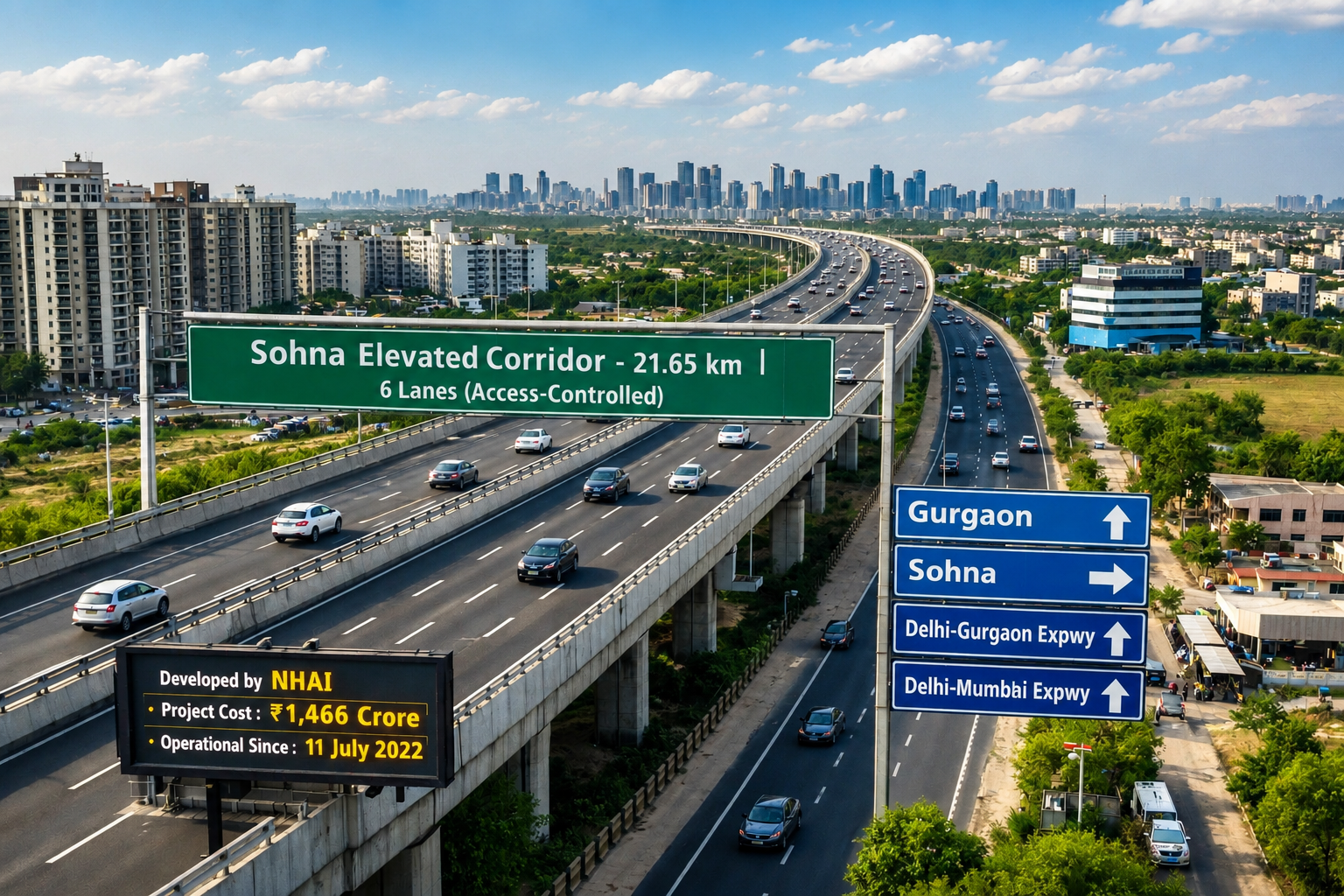
Is Sohna Really the Next Chhatarpur?
Three decades after Chhatarpur redrew South Delhi's map for space, privacy and exclusivity, a familiar pattern is now taking shape further south, and Sohna is where the smart money is beginning to look.

Why India's Wealthiest Families Still Buy Land
In an age of equities, private equity, startups and crypto, one asset class continues to attract the attention of India's wealthiest families, and the reason has less to do with returns than with scarcity.

The Top Ecommerce Niches Quietly Winning the U.S., U.K. and European Markets in 2026
Beauty, athleisure, wellness, pet and resale are no longer trends — they are the operating cores of online retail across the West. Here is where the money is actually moving.
One short email. Stories you can use.
A free, occasional email from our editorial team with our latest features, explainers and reads. Unsubscribe any time — your email stays with us.