The Price of Convenience: UK Grocery's Digital Dilemma Amidst Shifting Spending
As UK households navigate persistent inflationary pressures, the accelerated digital migration of grocery shopping faces a critical test. Retailers are recalibrating their online strategies against a backdrop of tight margins and evolving consumer priorities.

Across London, the familiar green and white vans of Ocado Smart Platform, bearing the branding of Morrisons, now share congested streets with an increasing number of electric cargo bikes from rapid delivery firms like Deliveroo and Just Eat, alongside the established fleets of Tesco and Sainsbury's. This proliferation underscores a fundamental shift in how Britons acquire their food and household essentials. What began as a premium service, then a pandemic necessity, now confronts the complexities of profitability and consumer value perception in a constrained economic environment.
The initial surge in online grocery adoption, heavily catalysed by lockdown measures, has settled into a more nuanced pattern. While a significant behavioural change has occurred – with a larger segment of the population now accustomed to digital grocery channels – the weekly basket remains sensitive to cost. Data from Kantar in late 2023 indicated that online's share of the grocery market in Great Britain held steady at around 12% to 13%, but growth has decelerated compared to the double-digit expansion seen just a few years prior.
The Cost of the Last Mile
Operating an efficient online grocery fulfilment model is inherently expensive. The 'last mile' delivery – the journey from a distribution centre or store shelf to a customer's doorstep – represents a substantial cost burden. British supermarkets have invested billions in infrastructure, from automated warehouses like Ocado's Customer Fulfilment Centres to in-store picking operations that strain existing retail footprints. These investments yield varying returns, especially as competition intensifies not just from traditional rivals, but also from rapid delivery players promising groceries in minutes.
The challenge for retailers lies in balancing consumer expectations for speed and convenience with the economic realities of razor-thin grocery margins. Many have historically absorbed significant delivery costs, or subsidised them through promotional activity and subscription models. Tesco's 'Clubcard Plus' and Sainsbury's 'SmartShop' are examples of loyalty programmes designed to foster stickiness and offset some operational costs, but the fundamental unit economics often remain difficult.
Data suggests that the average online grocery order value has also seen fluctuations. As consumers tighten their belts, there's a trend towards more frequent, smaller shops for immediate needs, often favouring local convenience stores or rapid delivery services over a weekly 'big shop' from a supermarket's main online platform. This fragmentation puts additional strain on delivery networks and further erodes the efficiency benefits of larger-scale distribution.
Shifting Consumer Calculus
Consumer behaviour is not monolithic. While some households prioritise time savings and are willing to pay for delivery slots, a growing segment is becoming more price-sensitive. For this group, the premium associated with online shopping, whether in direct delivery fees or perceived higher prices for certain items, becomes a disincentive. They may revert to in-store visits, where they can better control their spending through direct comparison and impulsive exclusions. This creates a dichotomy within the market, making it harder for a single online strategy to serve all customers effectively.
The long-term viability of extensive online grocery operations hinges on finding an optimal balance between service level and scalable efficiency, rather than merely chasing market share.
Retailers like Marks & Spencer, through its partnership with Ocado, continue to refine their premium online proposition, focusing on quality and specific niches. Meanwhile, discounters like Aldi and Lidl, traditionally reliant on a bricks-and-mortar model, have experimented cautiously with online avenues, recognising the structural cost challenges. The coming year will likely see further divergence in strategies, as established players seek to optimise their digital channels for genuine profitability, rather than simply volume.
News Legacy maintains editorial independence. Some recommendations may contain affiliate links. We earn from qualifying purchases at no additional cost to you. Read our policy.
Read Next
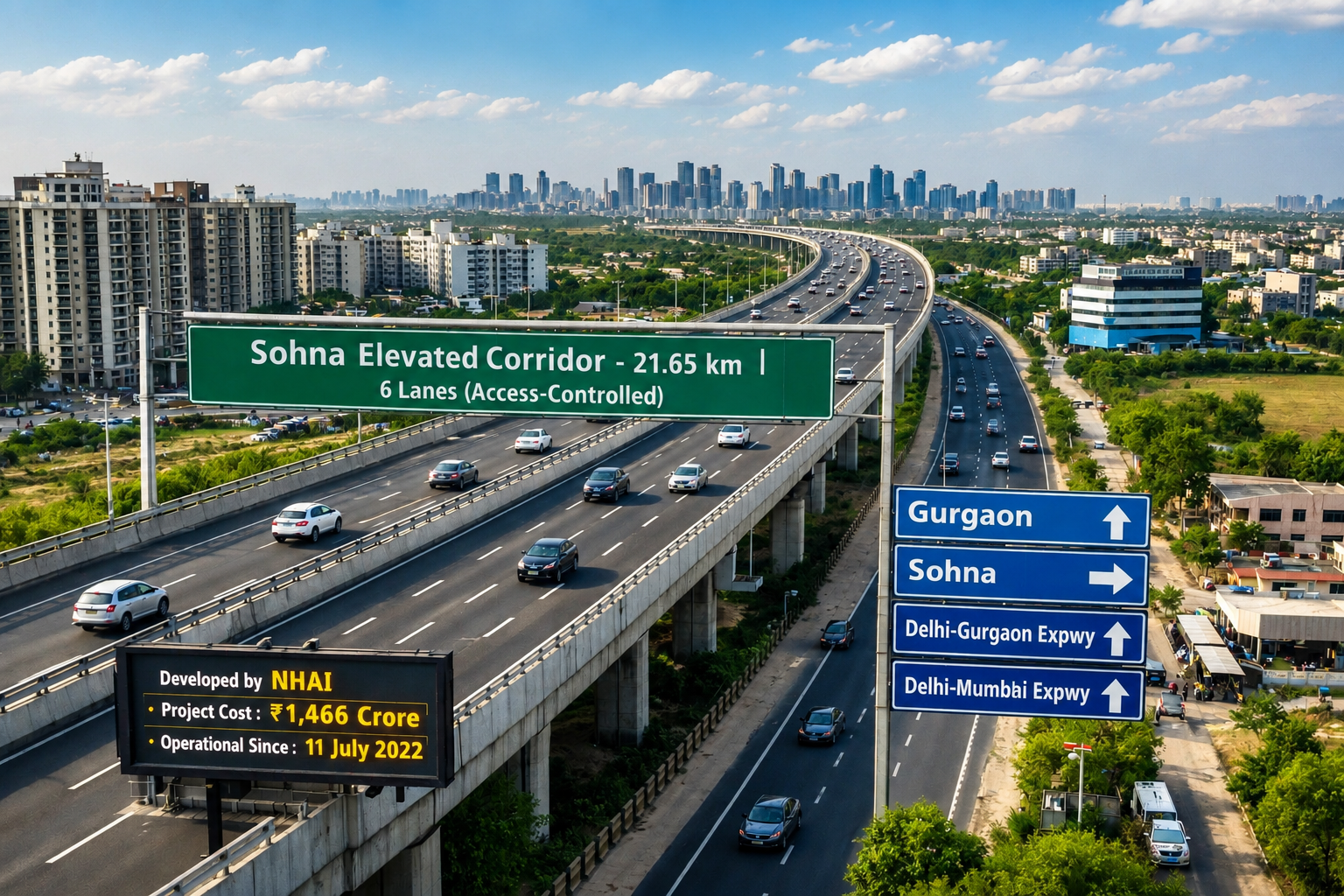
Is Sohna Really the Next Chhatarpur?
Three decades after Chhatarpur redrew South Delhi's map for space, privacy and exclusivity, a familiar pattern is now taking shape further south, and Sohna is where the smart money is beginning to look.
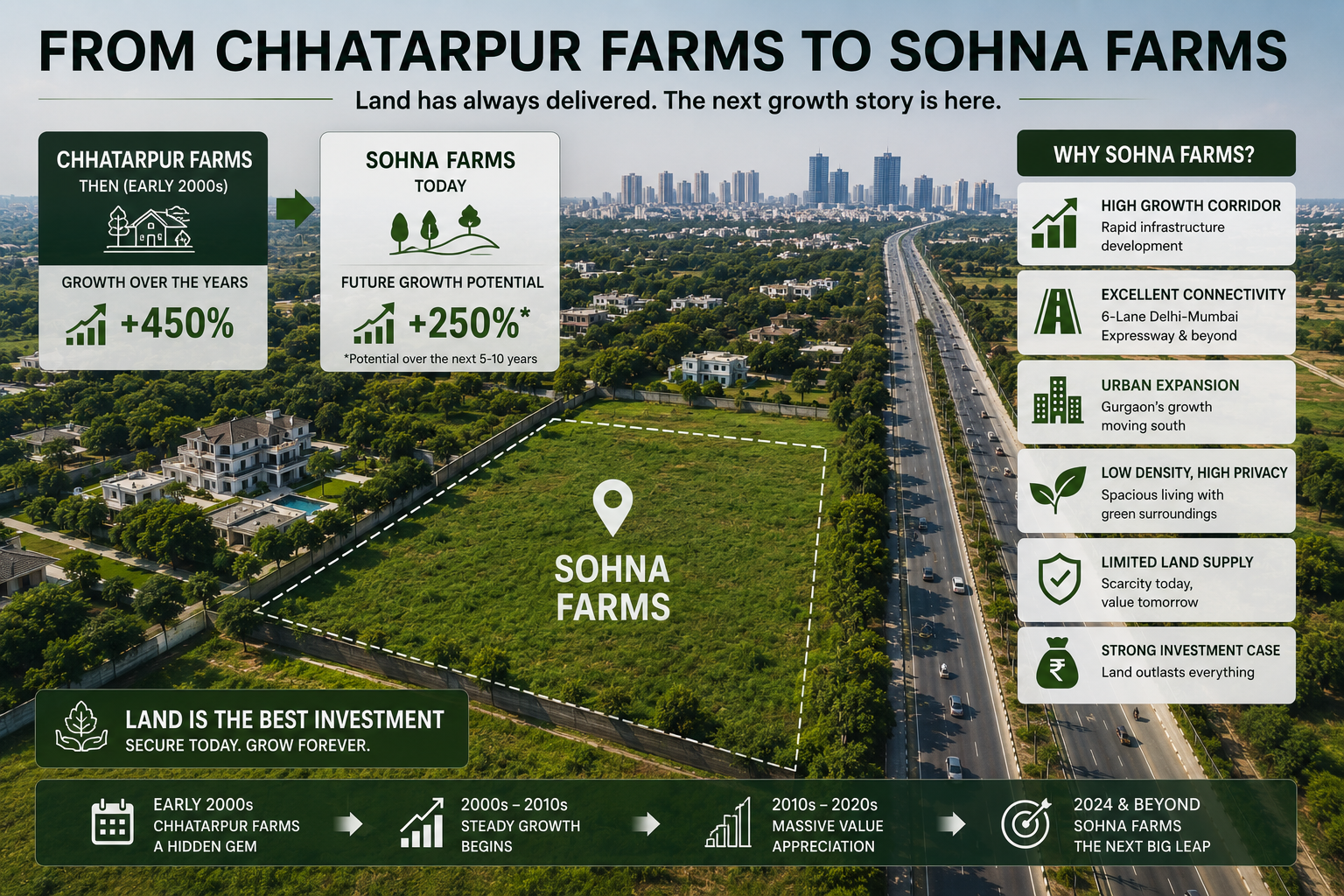
How Chhatarpur Farmhouses Created Multi-Crore Wealth for Early Buyers
What a quiet corner of South Delhi can teach investors about land, scarcity, and long-term wealth creation.
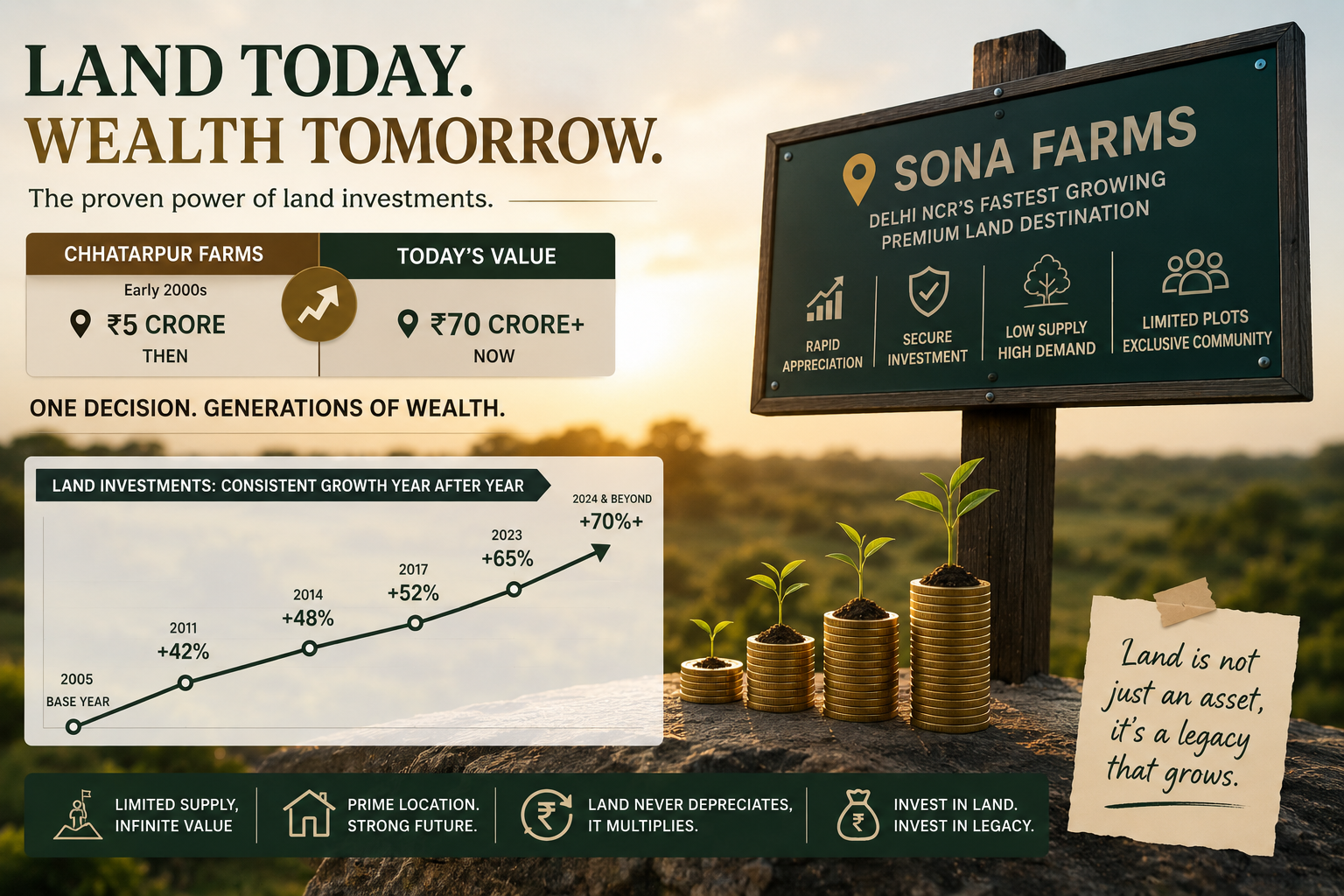
The ₹5 Crore Land Purchase That Became Worth ₹70 Crore
What the Story of DLF Chhatarpur Farms Reveals About Wealth Creation Through Premium Land Ownership
One short email. Stories you can use.
A free, occasional email from our editorial team with our latest features, explainers and reads. Unsubscribe any time — your email stays with us.