The Price of Proximity: Quick Commerce Confronts UK's Profitability Puzzle
Despite robust consumer demand for rapid delivery, the quick commerce sector in the UK faces an acute challenge in translating high order volumes into sustainable earnings amidst rising operational costs and intense competition.

A recent glance down a London street reveals the familiar sight of a Deliveroo rider, often navigating traffic with a large insulated bag, emblematic of a servicescape that has become deeply embedded in urban life. Yet, beneath this visible convenience for consumers lies a formidable financial tightrope act for the companies providing it. The quick commerce model, promising groceries and prepared meals to a doorstep within minutes, consistently grapples with the intricate economics of last-mile delivery, particularly within the UK's dense, often congested urban centres.
While consumers have embraced the immediacy offered by platforms like Just Eat and Gorillas (before its acquisition by Getir, which subsequently exited the UK market), the path to consistent profitability remains elusive. The business model typically involves high fulfilment costs, encompassing rider wages, packaging, and the often-exorbitant rents for urban dark stores or distribution hubs. These expenditures frequently outstrip the average order value and the commission percentages extracted from restaurant and grocery partners.
Major UK grocers have engaged with this trend in varying degrees. Tesco and Sainsbury's, for instance, have leveraged their extensive store networks for click-and-collect and increasingly, for rapid home delivery services, often via partnerships with third-party aggregators or through their own expedited delivery slots. This integration capitalises on existing inventory and infrastructure, potentially offering a more cost-effective model than pure-play quick commerce operators who establish dedicated micro-fulfilment centres.
The Cost of Speed
The operational complexities are significant. Delivering a pint of milk and a loaf of bread within 20 minutes across central Manchester or Edinburgh requires a distribution mechanism that can absorb unexpected delays, rider availability fluctuations, and fluctuating demand patterns. Each additional minute of rider time, every extra mile travelled, directly erodes already thin margins. The pursuit of scale, often seen as a panacea in technology-driven sectors, has not uniformly delivered the expected efficiencies in this particular vertical.
One industry analyst observes that: "The fundamental unit economics of quick commerce in the UK are challenged by a confluence of high labour costs, property overheads, and consumer price sensitivity that limits significant mark-ups."
The competitive landscape further complicates matters. With multiple platforms vying for market share, price wars and promotional discounts become a common tactic to attract and retain users. This downward pressure on prices, while beneficial for consumers, exacerbates the profitability dilemma for operators. The average basket size, while growing, often does not reach a threshold that comfortably covers the cost of delivery, especially for smaller, more frequent impulse purchases.
Evolving Strategies for Sustainability
In response, some quick commerce players are recalibrating their strategies. This involves a greater focus on operational density, optimising delivery routes using advanced algorithms, and exploring higher-margin product categories beyond standard groceries. Partnerships with established retailers like M&S, which leverages Ocado's logistics for broader delivery, indicate a move towards collaboration rather than outright competition for certain aspects of order fulfilment.
The long-term viability of rapid delivery will likely hinge on a hybrid model, wherein companies meticulously balance customer expectations for speed with the inherent economic constraints. This may involve tiered delivery pricing based on urgency, minimum order values that more accurately reflect fulfilment costs, or a strategic shift towards a more curated, higher-value product offering. The quick commerce model in the UK, while undoubtedly convenient, continues its arduous journey towards financial equilibrium.
News Legacy maintains editorial independence. Some recommendations may contain affiliate links. We earn from qualifying purchases at no additional cost to you. Read our policy.
Read Next

Is Sohna Really the Next Chhatarpur?
Three decades after Chhatarpur redrew South Delhi's map for space, privacy and exclusivity, a familiar pattern is now taking shape further south, and Sohna is where the smart money is beginning to look.
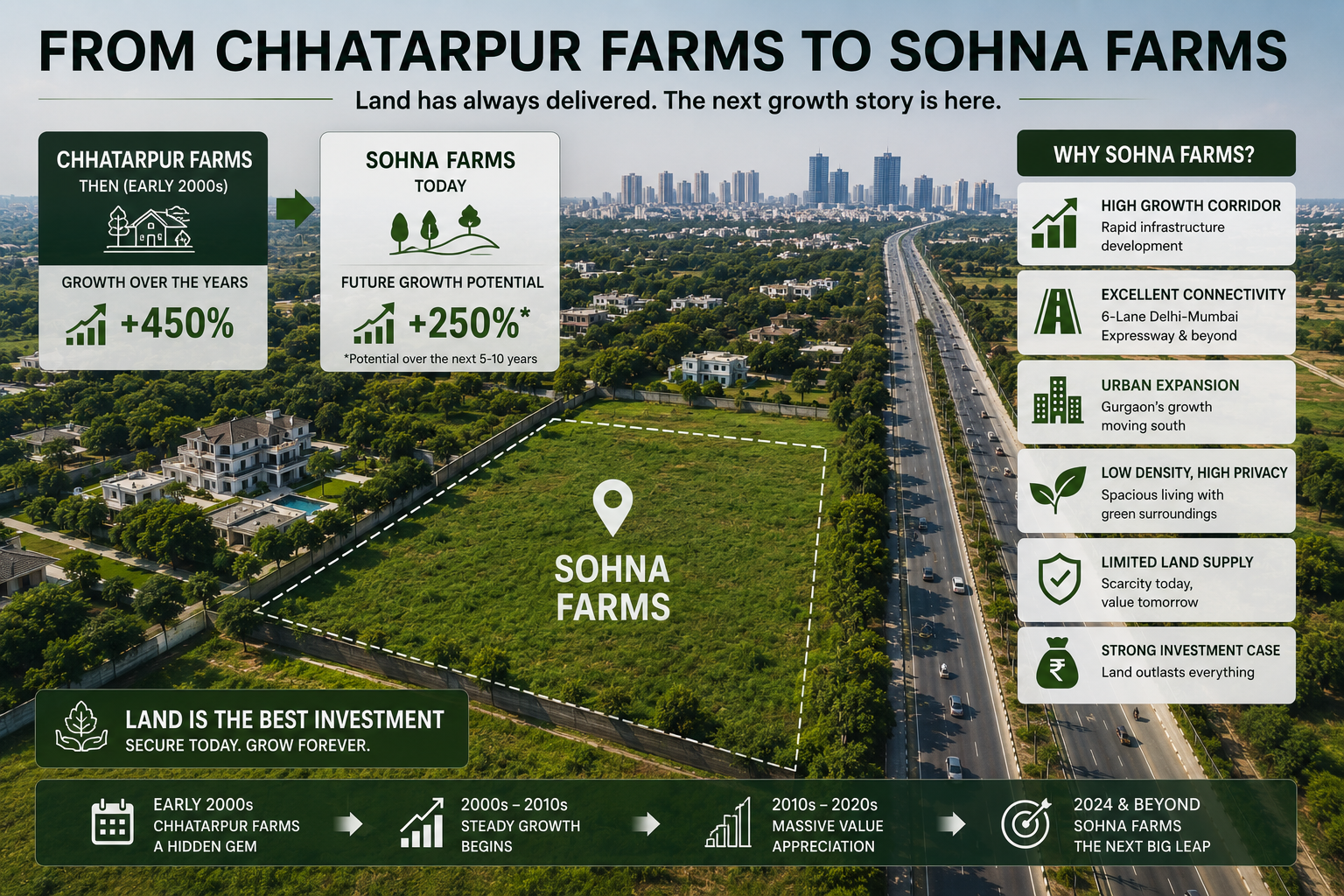
How Chhatarpur Farmhouses Created Multi-Crore Wealth for Early Buyers
What a quiet corner of South Delhi can teach investors about land, scarcity, and long-term wealth creation.
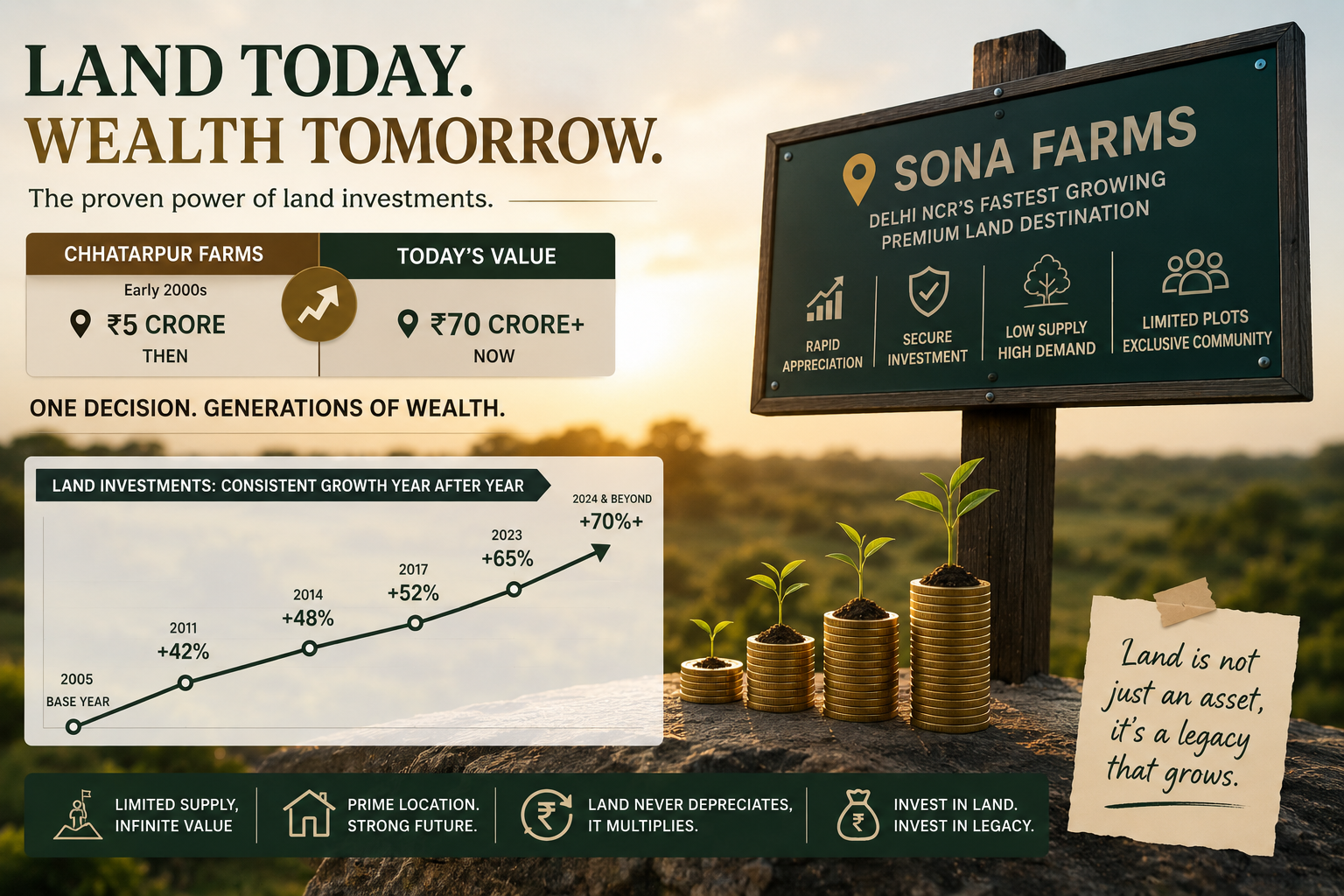
The ₹5 Crore Land Purchase That Became Worth ₹70 Crore
What the Story of DLF Chhatarpur Farms Reveals About Wealth Creation Through Premium Land Ownership
One short email. Stories you can use.
A free, occasional email from our editorial team with our latest features, explainers and reads. Unsubscribe any time — your email stays with us.