The Quiet Algorithmic Squeeze: How British Retailers Are Deploying Automated Pricing and Logistics to Shield Margins
Faced with stubborn operating overheads and cautious household budgets, the UK’s dominant grocers and apparel merchants are turning to automated systems to calibrate prices, cut waste, and protect profitability.

Late on a damp Tuesday afternoon inside an urban Marks & Spencer food hall, the familiar ritual of staff manually applying yellow discount stickers to expiring sandwiches is quietly disappearing. In its place, handheld terminals connected to centralised machine-learning platforms now calculate markdown percentages dynamically, factoring in store footfall, local weather forecasts, and remaining shelf life. The scene exemplifies a profound operational shift across British retail: algorithmic decision-making has ceased to be an experimental digital novelty and has become the primary mechanism for defending wafer-thin operating margins.
The broader economic context explains the urgency. While headline inflation has moderated from its double-digit peak, British consumers remain acutely sensitive to shelf prices, frequently splitting their weekly expenditure between conventional grocers and German discounters. Meanwhile, statutory increases to the national living wage and elevated commercial transport costs continue to exert upward pressure on retailer balance sheets. In response, giants such as Tesco and Sainsbury's cannot rely on blunt price hikes; they must instead locate fractional efficiencies across every aisle, depot, and supply contract.
Beyond the yellow sticker
Food waste represents an annual financial drag running into hundreds of millions of pounds across the domestic grocery estate. Predictive replenishment engines, trained on years of point-of-sale data, have substantially diminished the reliance on human intuition when ordering perishable stock. A sudden heatwave in Manchester or rail disruption outside Birmingham immediately alters replenishment orders dispatched from automated distribution centres before store managers even notice the change in footfall.
Rather than gambling on broad promotional campaigns, British retailers are using algorithmic levers to preserve fractional percentage points of operating margin across millions of daily transactions.
The transformation extends deep into fulfilment networks. Ocado has refined its automated grid warehouses so that machine-learning models sequence robot cranes down to fractions of a second, balancing battery charging cycles against delivery van departure slots across London and the Home Counties. By calculating which combinations of dry goods, chilled dairy, and ambient products minimise vehicle turn times, the group seeks to drive fulfilment labour costs down to levels unmatchable by purely physical store estates.
Returns, sizing and apparel triage
In the apparel sector, the challenge is structural rather than perishable. Pure-play fashion groups such as ASOS have spent the past two years battling a culture of hyper-returns, where customers order multiple sizes of identical garments with the explicit intention of refunding most of them. The logistical expense of processing, inspecting, and repacking these items has severely dented sector profits. In response, British fashion merchants are deploying computer vision and sizing algorithms designed to nudge shoppers away from speculative multi-item orders before checkout.
Next, long regarded as the benchmark for logistical discipline on the British high street, has integrated machine-learning models directly into its Total Platform operation. The system predicts return rates by product category, automatically rerouting returned stock to physical regional stores with high replenishment demand rather than hauling garments back to central hubs. This micro-routing prevents inventory from languishing in transit while items remain at full price.
Yet the expansion of algorithmic commerce brings its own commercial and regulatory liabilities. The Competition and Markets Authority has already turned a critical eye toward loyalty pricing programmes, examining how data gleaned from Tesco Clubcard and Sainsbury's Nectar schemes is leveraged to shape promotional mechanics. As retail algorithms grow more sophisticated, the boundary between efficient price optimisation and opaque price discrimination will demand increasingly delicate navigation from Britain’s boardroom executives.
News Legacy maintains editorial independence. Some recommendations may contain affiliate links. We earn from qualifying purchases at no additional cost to you. Read our policy.
Read Next
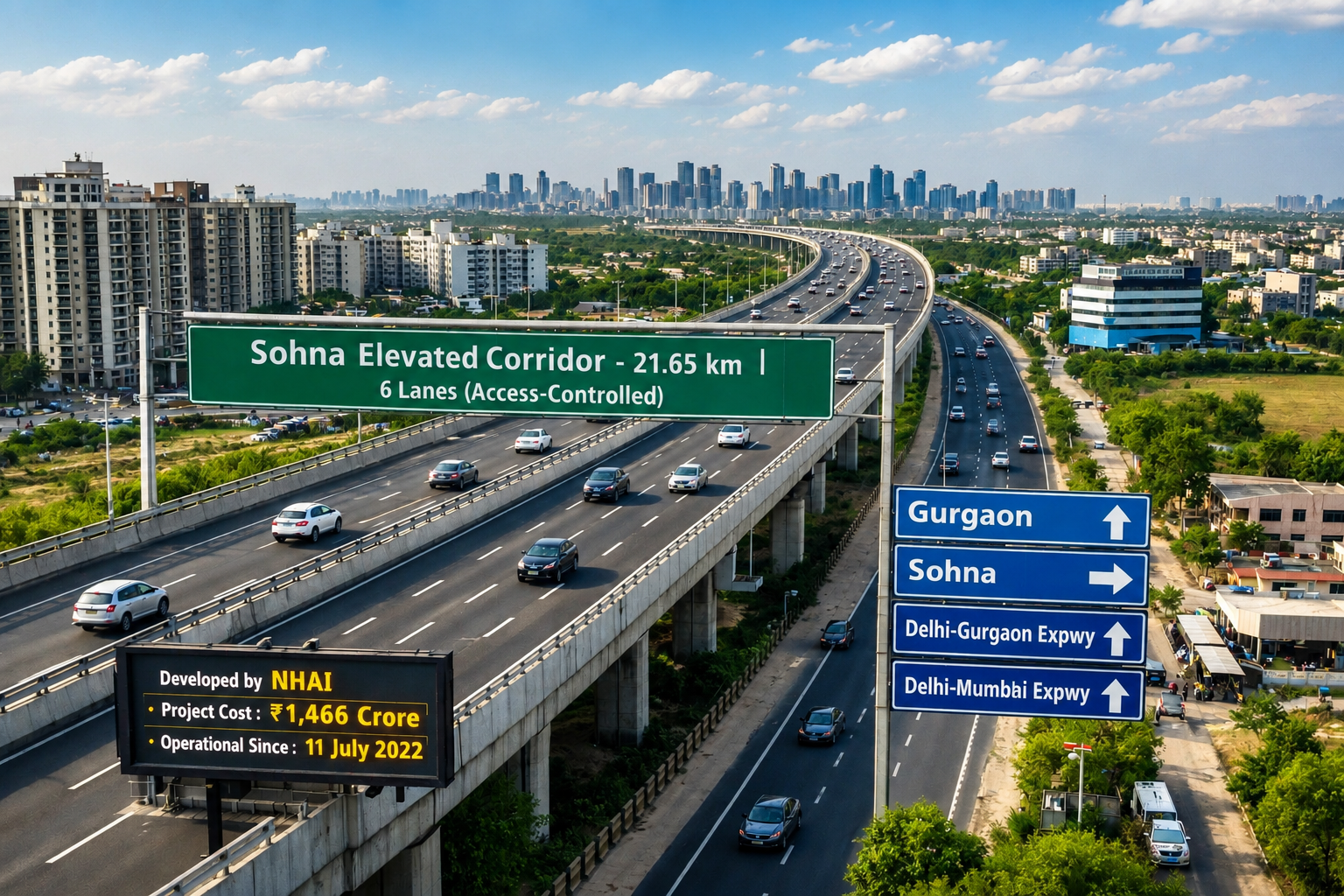
Is Sohna Really the Next Chhatarpur?
Three decades after Chhatarpur redrew South Delhi's map for space, privacy and exclusivity, a familiar pattern is now taking shape further south, and Sohna is where the smart money is beginning to look.
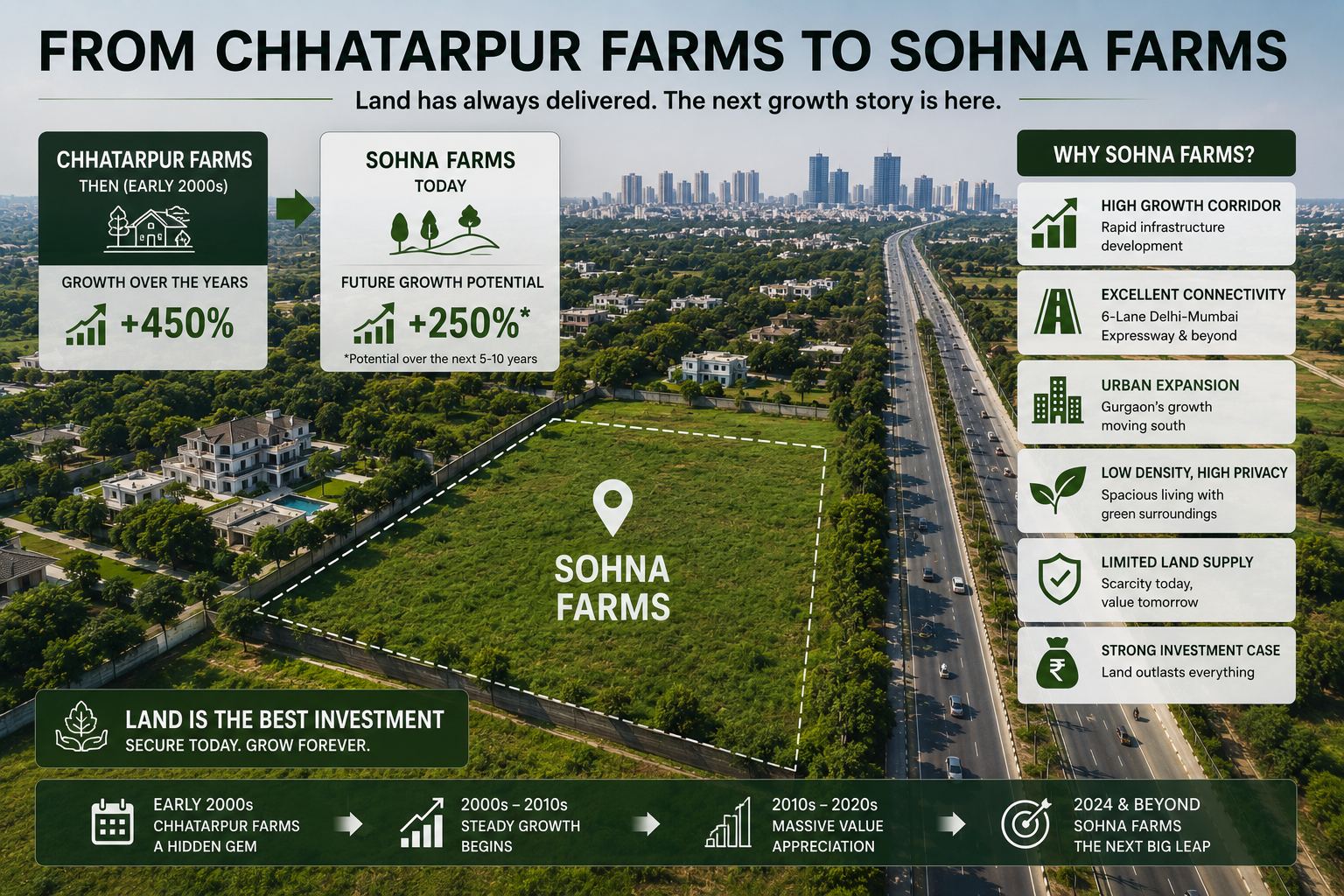
How Chhatarpur Farmhouses Created Multi-Crore Wealth for Early Buyers
What a quiet corner of South Delhi can teach investors about land, scarcity, and long-term wealth creation.

The ₹5 Crore Land Purchase That Became Worth ₹70 Crore
What the Story of DLF Chhatarpur Farms Reveals About Wealth Creation Through Premium Land Ownership
One short email. Stories you can use.
A free, occasional email from our editorial team with our latest features, explainers and reads. Unsubscribe any time — your email stays with us.