The Quiet Disassembly of the Infinite Return Policy
As reverse-logistics expenses compound, American retailers are replacing frictionless refunds with algorithmic friction and subtle behavioral penalties.

On a weekday afternoon in suburban New Jersey, the queue extending out of a parcel franchise does not consist of customers sending outbound gifts or business documents. Instead, patrons balance towers of poly-mailers and clear plastic bags stamped with return codes from Amazon, Target, and specialty apparel merchants. What was once introduced as an irresistible customer acquisition incentive—free, unconditional returns with zero friction—has evolved into an unsustainable reverse-logistics network. For the better part of a decade, American consumers were conditioned to treat their living rooms as dressing quarters and their doorsteps as dispatch facilities. That arrangement is now undergoing an unsentimental recalibration across the retail sector.
The arithmetic behind the modern return habit has become untenable. Industry analyses place the total value of returned merchandise across the United States well north of $200 billion annually, with apparel categories registering return rates consistently between 20 and 30 percent. During a prolonged era of negligible interest rates and single-minded pursuit of top-line growth, merchants swallowed parcel freight, sorting expenses, and steep markdown depreciation as ordinary customer acquisition overhead. In the current operating climate, shaped by persistent freight inflation, elevated warehouse wages, and demand from public markets for GAAP profitability, retailers are systematically dismantling the subsidy.
The Algorithmic Triage of Reverse Logistics
Rather than implementing abrupt, sweeping policy reversals that risk consumer backlash, major retail operations are using algorithmic friction to alter purchasing habits. Amazon has introduced subtle warning tags on select product detail pages, advising prospective buyers that an item is frequently returned and urging them to review sizing charts before ordering. Meanwhile, direct-to-consumer labels running on Shopify architecture are partnering with logistics platforms that dynamically assess return requests, offering instant store credits while levying a six-to-eight-dollar deduction if the shopper insists on a cash refund to an external payment card.
In certain product tiers, the algorithms calculate that processing a physical reversal costs more than the item's salvage value. When transit, inspection, and repackaging expenses exceed the anticipated liquidation yield, software engines automatically grant the refund while prompting the shopper to keep or discard the goods. This tactic avoids the carrier invoice entirely, yet it highlights the sheer inefficiency embedded in moving low-margin inventory across domestic transit corridors.
The Omnichannel Moat
The widening operational divide favors retailers with expansive brick-and-mortar networks over pure-play digital storefronts. Operators such as Walmart and Costco hold an immense structural advantage: their vast store counts function as low-cost consolidation hubs. When a Costco member returns an oversized item directly to a warehouse counter, the merchant incurs no individual carrier parcel fees, and the interaction almost invariably yields incremental foot traffic and high-margin in-store sales. Walmart has similarly engineered its domestic footprint to absorb digital returns in person, dramatically curtailing round-trip logistics overhead.
For digital-native brands and specialty apparel merchants lacking thousands of suburban outposts, the options are considerably narrower. Attempting to charge for mail-in returns risks defection to larger marketplaces, yet absorbing double-digit return rates erodes gross margins beyond viability. As a consequence, retailers are increasingly segmenting shoppers based on internal return profiles. High-value accounts with low return velocity continue to enjoy concierge-style conveniences, while frequent returners encounter consolidated drop-off requirements, narrower return windows, and mandatory restocking fees.
The era of treating reverse shipping as a free public utility is drawing to a close. American digital commerce was constructed on the premise that removing friction at the transaction point would yield perpetual customer loyalty. As merchants reintroduce friction at the point of reversal, consumers are discovering that the convenience once assumed to be fundamental was merely an introductory concession.
News Legacy maintains editorial independence. Some recommendations may contain affiliate links. We earn from qualifying purchases at no additional cost to you. Read our policy.
Read Next
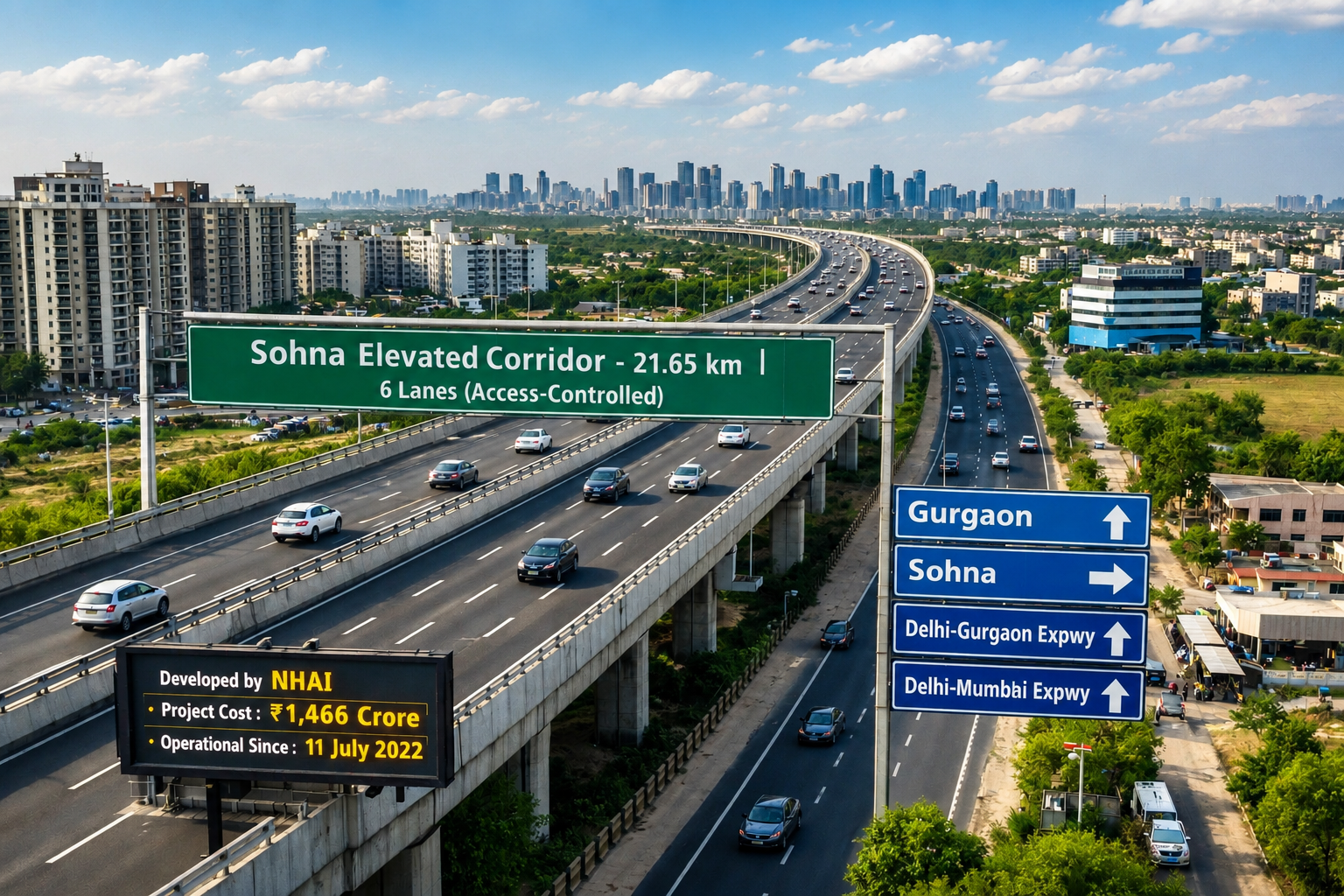
Is Sohna Really the Next Chhatarpur?
Three decades after Chhatarpur redrew South Delhi's map for space, privacy and exclusivity, a familiar pattern is now taking shape further south, and Sohna is where the smart money is beginning to look.
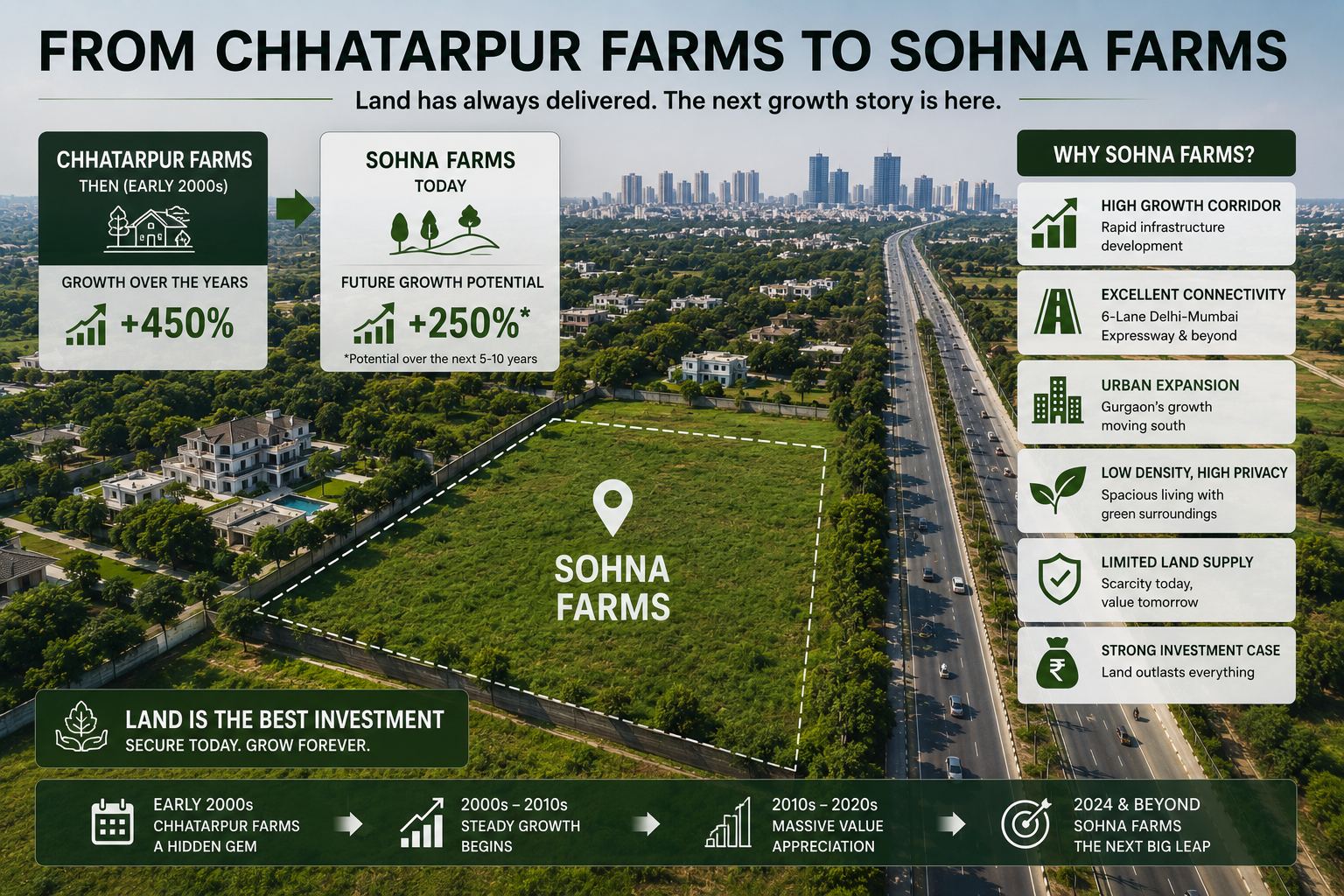
How Chhatarpur Farmhouses Created Multi-Crore Wealth for Early Buyers
What a quiet corner of South Delhi can teach investors about land, scarcity, and long-term wealth creation.

The ₹5 Crore Land Purchase That Became Worth ₹70 Crore
What the Story of DLF Chhatarpur Farms Reveals About Wealth Creation Through Premium Land Ownership
One short email. Stories you can use.
A free, occasional email from our editorial team with our latest features, explainers and reads. Unsubscribe any time — your email stays with us.