The Quiet Erosion of Consumer Loyalty in Britain's Retail Sector
Persistent inflationary pressures and a shifting economic landscape are compelling British consumers to re-evaluate purchasing habits, challenging long-held allegiances to brands and retailers across the high street and digital storefronts.

A recent stroll through a Sainsbury's Local in central London reveals a subtle shift in consumer behaviour. While shoppers continue to fill baskets, the composition of those purchases increasingly reflects a keen eye on value, with own-brand lines gaining prominence over established national labels. This micro-observation is indicative of a broader trend rippling through the UK retail environment, where financial prudence is reshaping decades of brand affinity.
For years, British consumers displayed a remarkable stickiness to preferred supermarkets, fashion brands, and delivery services. The pandemic era briefly supercharged digital channels and cemented new habits, but the subsequent cost-of-living crisis has introduced a new, more fundamental catalyst for change. Households, grappling with elevated energy bills and food prices, are demonstrating a willingness to switch providers or downgrade product choices in pursuit of savings.
Data from sources like Kantar and NielsenIQ consistently illustrate this phenomenon in the grocery sector. Aldi and Lidl continue to capture market share, growing by double-digit percentages as the traditional 'big four' – Tesco, Sainsbury's, Asda, and Morrisons – contend with shoppers diversifying their weekly shop. Many consumers now engage in 'basket splitting,' frequenting discounters for staples while reserving larger supermarkets for specific items or convenience.
The Fickle Nature of Fashion and Food Delivery
Beyond groceries, the narrative of diminishing loyalty extends into other retail segments. Online fashion retailers, once celebrated for their convenience and trend-led offerings, face intensified competition. ASOS, for example, has reported challenging trading conditions, navigating not only a saturated market but also a consumer base less inclined to make discretionary purchases at pre-inflationary price points. This has prompted many to explore alternatives, from pre-owned marketplaces to value-focused brands.
In the food delivery space, the battle for custom has intensified. Companies like Deliveroo and Just Eat, which saw exponential growth during lockdowns, are now confronting a more discerning customer. Promotions and discounts have become critical tools for retention, suggesting that price, rather than exclusive restaurant partnerships or user interface, often dictates platform choice. The novelty of instant gratification has given way to a pragmatic search for the best deal.
The long-term implications of this widespread behavioural shift are profound, necessitating a fundamental recalibration of engagement strategies from even the most entrenched retail giants.
Marks & Spencer, a stalwart of the British high street, exemplifies a retailer attempting to navigate this complex landscape. While its food division continues to perform robustly, capitalising on quality perception, its apparel segment frequently undergoes strategic re-evaluation to align with contemporary consumer demands for both value and relevance. Similarly, Ocado, despite its advanced logistics, finds itself operating in a market where the premium for convenience is increasingly scrutinised by budget-conscious shoppers.
This erosion of loyalty presents a double-edged sword for retailers. While it offers opportunities for agile newcomers to disrupt established players, it also forces incumbents to innovate relentlessly in pricing, product offering, and customer experience. The challenge lies not merely in attracting new customers, but in providing compelling reasons for existing ones to remain, in an environment where every pound spent is weighed with unprecedented care. The notion of a 'forever customer' appears increasingly antiquated in the current economic climate.
News Legacy maintains editorial independence. Some recommendations may contain affiliate links. We earn from qualifying purchases at no additional cost to you. Read our policy.
Read Next
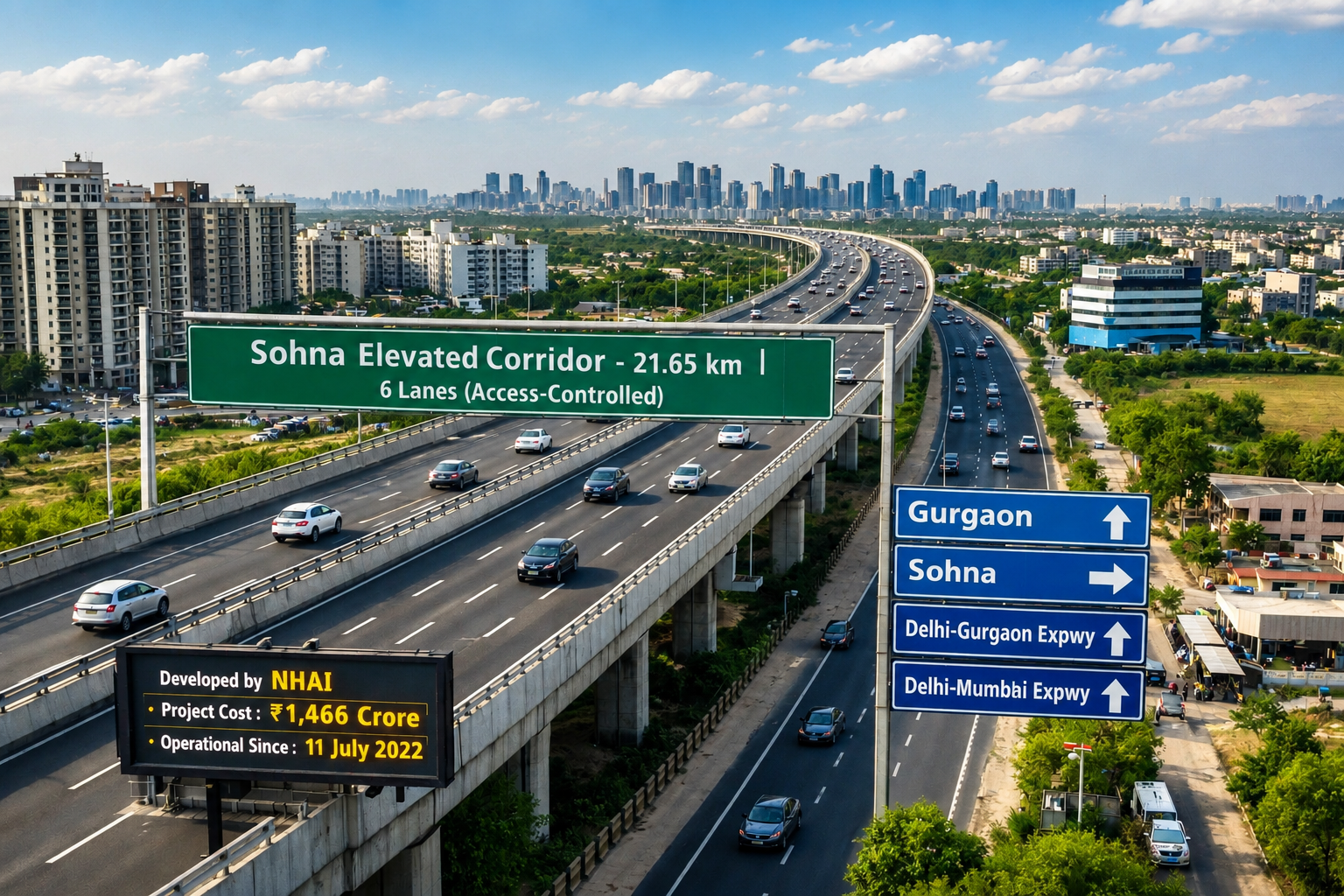
Is Sohna Really the Next Chhatarpur?
Three decades after Chhatarpur redrew South Delhi's map for space, privacy and exclusivity, a familiar pattern is now taking shape further south, and Sohna is where the smart money is beginning to look.
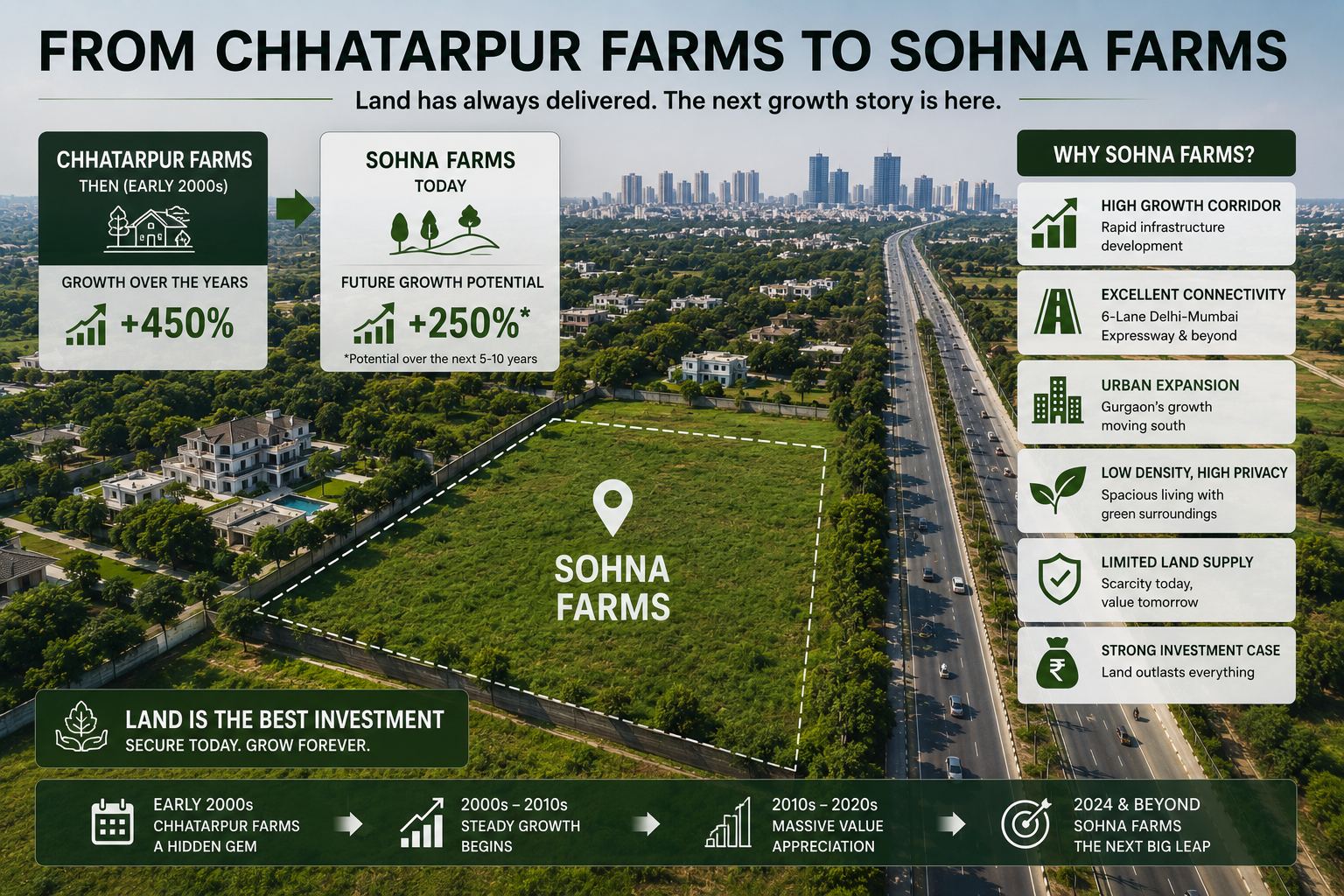
How Chhatarpur Farmhouses Created Multi-Crore Wealth for Early Buyers
What a quiet corner of South Delhi can teach investors about land, scarcity, and long-term wealth creation.
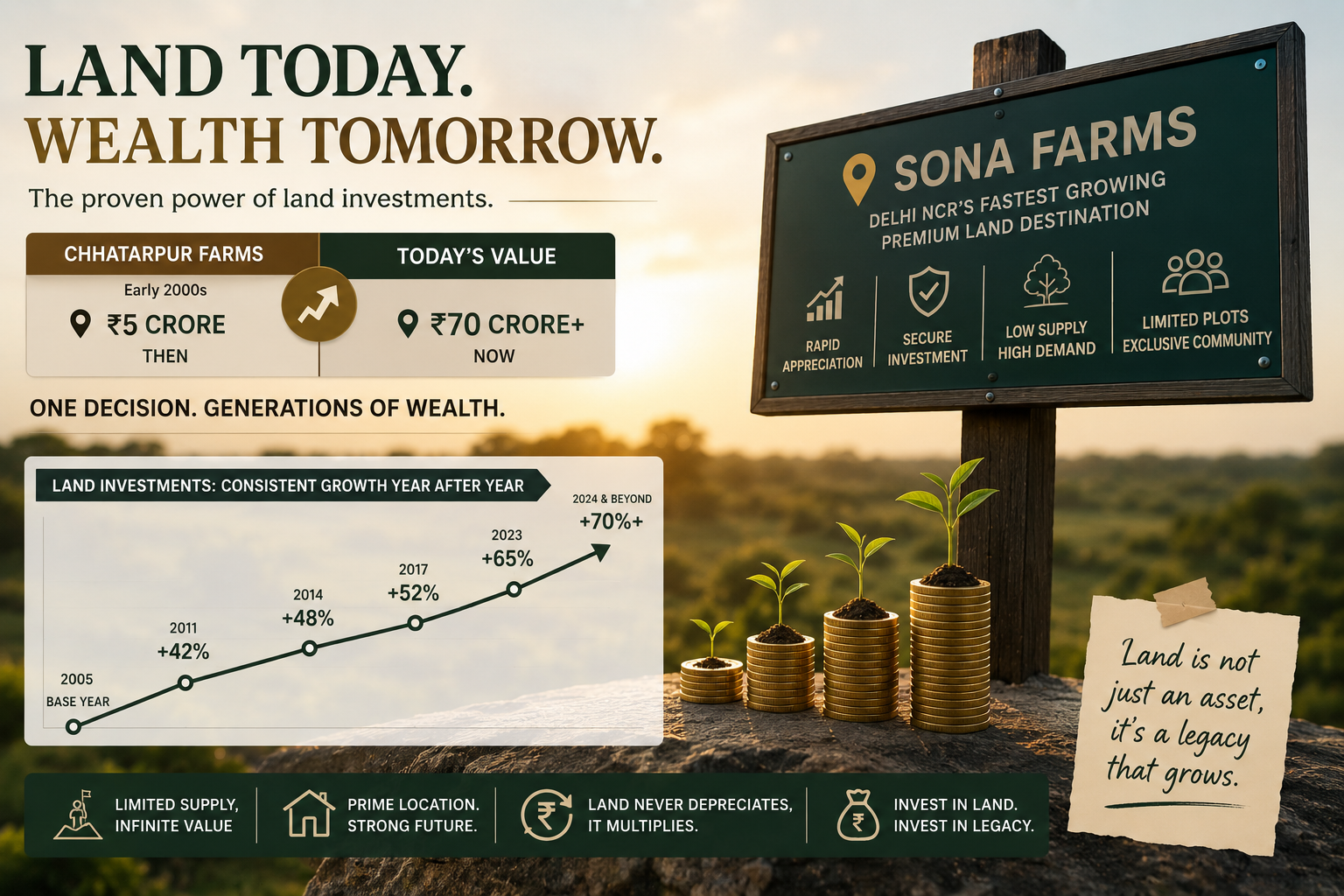
The ₹5 Crore Land Purchase That Became Worth ₹70 Crore
What the Story of DLF Chhatarpur Farms Reveals About Wealth Creation Through Premium Land Ownership
One short email. Stories you can use.
A free, occasional email from our editorial team with our latest features, explainers and reads. Unsubscribe any time — your email stays with us.