The Quiet Evolution of European Retail Partnerships
Across Europe, digital retailers and traditional storefronts are subtly recalibrating their revenue streams, moving beyond direct sales to embrace more sophisticated, performance-based affiliations. This shift redefines commercial influence in a fragmented yet interconnected market.

From the vast digital marketplace of Allegro in Poland to the sophisticated fashion e-commerce of Zalando across Germany and the Nordics, a significant undercurrent is reshaping European retail strategy. While consumer acquisition costs climb and traditional advertising yields diminish, companies are increasingly turning to affiliate models not merely as a marketing tactic, but as a fundamental component of market penetration and sustained growth, particularly in regions where brand loyalty is deeply entrenched or cross-border trust is nascent.
This strategic realignment is evident as established players like France's Cdiscount and the Netherlands' Bol.com expand their partner programmes, leveraging third-party reach to access new customer segments without incurring upfront marketing expenditure. The model, where commissions are paid only upon successful conversion, offers a compelling financial proposition, especially in an environment of tightening economic forecasts and cautious capital allocation.
Diversifying Influence in Fragmented Markets
The European Union's varied consumer landscape, with distinct linguistic preferences, purchasing habits, and logistical challenges, presents a unique context for affiliate marketing. Instead of a monolithic approach, successful strategies often involve hyper-localised partnerships. For instance, a Spanish fashion influencer might drive sales for a German direct-to-consumer brand, or a Polish price comparison site could funnel traffic to an Italian electronics retailer. This granular approach sidesteps the significant investment required for a full-scale direct market entry.
Retail giants with hybrid models, such as Carrefour or REWE, are also exploring affiliate structures, extending their digital catalogues beyond their immediate e-commerce operations. For these incumbents, performance-based marketing allows them to monetise their extensive product ranges and brand credibility through external channels, effectively transforming competitors' traffic into their own sales opportunities. This often involves collaborating with content creators, loyalty programmes, and specialised niche review sites that resonate with specific demographics.
The rise of recommerce platforms like Vinted further illustrates this decentralisation of sales channels. While Vinted primarily operates on a C2C model, its success indicates a growing consumer appetite for curated, community-driven commerce, an environment ripe for affiliate integration from complementary brands or services. The short-lived but intense activity of rapid grocery delivery services like Gorillas and Flink also showcased the power of immediate digital influence, often driven by localised affiliate marketing campaigns during their scaling phases.
The inherent strength of the affiliate model in Europe lies in its adaptability; it allows for economic expansion without commensurate risk, a critical factor for navigating divergent market conditions from Stockholm to Seville.
Regulatory Complexity and Technological Evolution
Navigating the EU's stringent data privacy regulations, particularly GDPR, presents a complex layer for affiliate marketers. Transparency in tracking and data handling is paramount, necessitating sophisticated technological solutions that prioritise compliance while maintaining effective attribution. Companies that master this balance are gaining a competitive edge, building trust with both partners and end-consumers. The emphasis is shifting from simply tracking clicks to understanding customer journeys and consent management across multiple touchpoints.
Technology is also enabling more sophisticated partnership structures. Beyond traditional banners and links, API integrations allow for dynamic product feeds, real-time inventory updates, and seamless checkout experiences hosted by affiliate partners. This move towards deeper technical integration blurs the lines between a mere referral and a fully integrated sales channel, providing a more frictionless experience for the consumer and higher conversion rates for the retailer. As such, the European affiliate ecosystem is quietly evolving from a peripheral marketing tool to a central pillar of cross-border digital commerce strategy.
The total value of the affiliate marketing sector within Europe is projected to maintain double-digit growth in the coming years, with aggregate commissions paid across the continent likely exceeding 5 billion euros annually within the current decade. This underscores a broader strategic pivot: for many European retailers, influence and distribution are now as critical as the product itself, and affiliate partnerships are proving to be the most agile mechanism for securing both.
News Legacy maintains editorial independence. Some recommendations may contain affiliate links. We earn from qualifying purchases at no additional cost to you. Read our policy.
Read Next

Is Sohna Really the Next Chhatarpur?
Three decades after Chhatarpur redrew South Delhi's map for space, privacy and exclusivity, a familiar pattern is now taking shape further south, and Sohna is where the smart money is beginning to look.
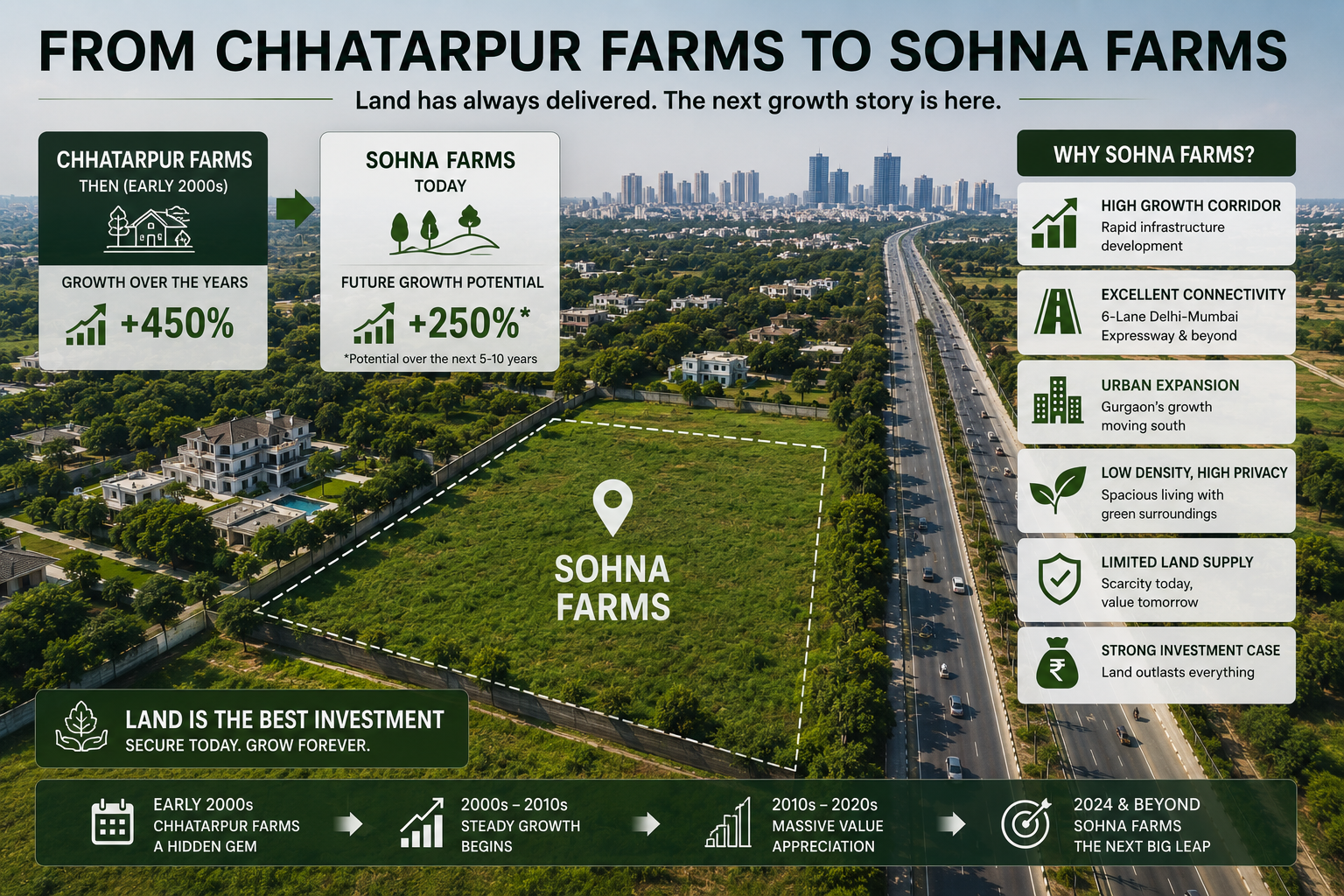
How Chhatarpur Farmhouses Created Multi-Crore Wealth for Early Buyers
What a quiet corner of South Delhi can teach investors about land, scarcity, and long-term wealth creation.
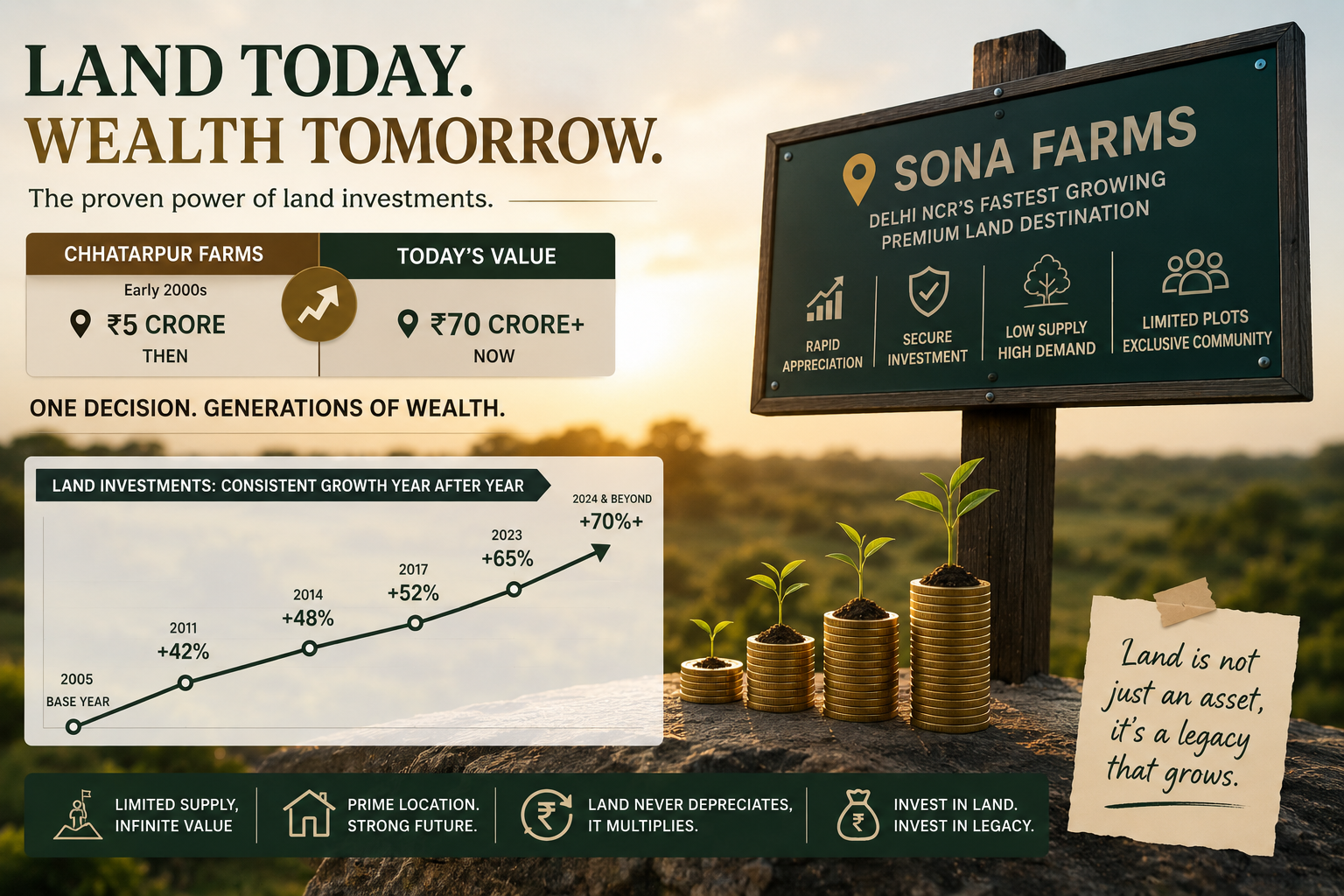
The ₹5 Crore Land Purchase That Became Worth ₹70 Crore
What the Story of DLF Chhatarpur Farms Reveals About Wealth Creation Through Premium Land Ownership
One short email. Stories you can use.
A free, occasional email from our editorial team with our latest features, explainers and reads. Unsubscribe any time — your email stays with us.