The Quiet Evolution of UK Retail's Digital Footprint: Affiliate Marketing's Shifting Sands
As UK consumers navigate increasingly fragmented digital purchasing paths, affiliate marketing has quietly grown into a critical, yet often underestimated, driver of retail sales. Its current trajectory suggests a move beyond traditional coupon sites towards more strategic content partnerships.

When a Tesco shopper clicks a link embedded in a recipe blog, or an ASOS customer discovers a new brand through an influencer's curated list, they are often engaging with a sophisticated, yet largely invisible, affiliate marketing ecosystem. This sector, which rewards third parties for driving sales or leads, has long been a background component of digital strategy for British retailers. However, its understated growth and evolution now position it as a significant, increasingly data-driven force shaping online consumer behaviour and retail profitability across the UK.
The traditional perception of affiliate marketing, often associated with cashback sites and discount codes, significantly underplays its current breadth. While platforms like Quidco and TopCashback remain popular, generating millions in annual consumer savings and retailer sales, the sector has diversified. Content publishers, niche review sites, and increasingly, social media influencers, now form substantial parts of the affiliate landscape, offering retailers more nuanced pathways to reach targeted audiences.
For businesses like Marks & Spencer or Next, affiliate channels provide a performance-based marketing avenue where advertising spend is directly tied to a measurable outcome, whether that be a sale, a lead, or even a new app download. This cost-efficiency is particularly attractive in a competitive retail environment where every marketing pound must demonstrate clear return on investment. The ability to scale campaigns up or down based on real-time performance offers a flexibility traditional media often lacks.
The Data-Driven Imperative
The sophistication of affiliate platforms has advanced considerably. Modern tracking technologies allow retailers to attribute sales with greater precision, moving beyond last-click attribution to understand the full customer journey. This enables a more strategic allocation of budgets and fosters partnerships with affiliates that genuinely influence purchase decisions earlier in the funnel. Companies are increasingly seeking affiliates that offer genuine editorial endorsement or unique content, rather than simply offering the deepest discount.
The transition from simple transaction referral to a value exchange based on audience engagement and authentic recommendation marks a significant maturation for the affiliate channel.
Consider the grocery sector, where Ocado and the delivery arms of major supermarkets like Sainsbury's have seen a surge in online activity. While direct advertising remains paramount, strategic content partnerships with food bloggers or lifestyle publications, often facilitated through affiliate networks, can introduce new customers to their platforms. Similarly, food delivery giants like Deliveroo and Just Eat leverage affiliate models to drive sign-ups and orders, particularly in new geographic areas or for specific restaurant promotions.
However, the sector is not without its challenges. Brand safety remains a concern, requiring diligent vetting of affiliate partners to ensure alignment with corporate values and message integrity. Furthermore, the increasing scrutiny on data privacy, particularly with evolving regulations, necessitates transparent practices regarding cookie usage and consumer consent. Retailers must navigate these complexities to maintain trust and avoid reputational damage.
Looking ahead, the integration of artificial intelligence will likely further refine affiliate strategies. AI can help identify high-performing affiliates, predict consumer behaviour, and even automate the creation of personalised content for affiliate partners. For UK retailers, mastering this evolving channel will be crucial for maintaining competitive edge in a digital marketplace where customer attention is a finite resource. The quiet work of affiliates continues to shape how and where consumers spend their money, making it an indispensable, if often unacknowledged, pillar of the modern retail economy.
News Legacy maintains editorial independence. Some recommendations may contain affiliate links. We earn from qualifying purchases at no additional cost to you. Read our policy.
Read Next

Is Sohna Really the Next Chhatarpur?
Three decades after Chhatarpur redrew South Delhi's map for space, privacy and exclusivity, a familiar pattern is now taking shape further south, and Sohna is where the smart money is beginning to look.
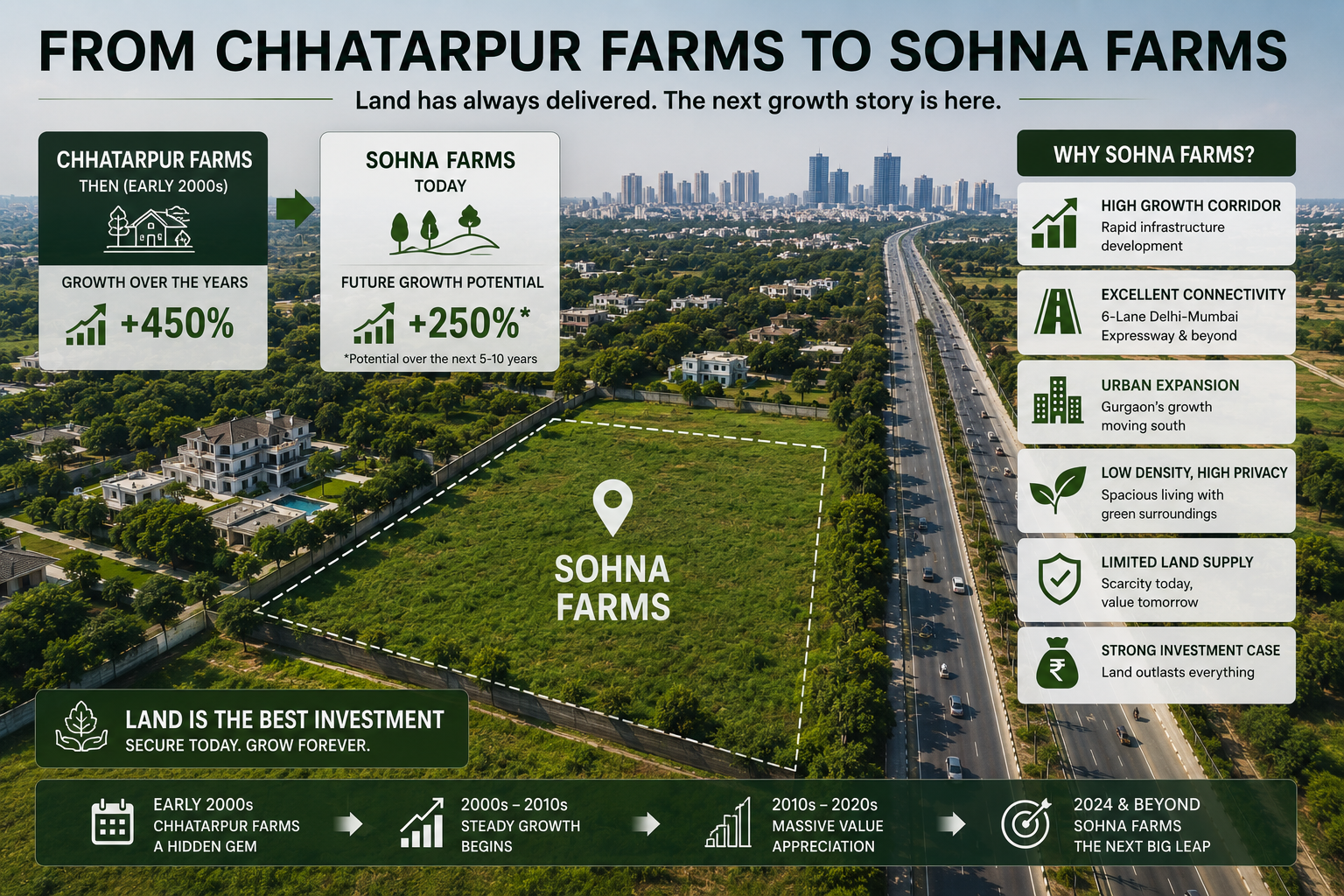
How Chhatarpur Farmhouses Created Multi-Crore Wealth for Early Buyers
What a quiet corner of South Delhi can teach investors about land, scarcity, and long-term wealth creation.

The ₹5 Crore Land Purchase That Became Worth ₹70 Crore
What the Story of DLF Chhatarpur Farms Reveals About Wealth Creation Through Premium Land Ownership
One short email. Stories you can use.
A free, occasional email from our editorial team with our latest features, explainers and reads. Unsubscribe any time — your email stays with us.