The Resilient European Consumer: Shifting Spend in a Fractured Digital Market
Despite lingering economic pressures, European consumers continue to spend, albeit with a pronounced shift towards value and experience. This evolving landscape is reshaping strategic imperatives for retailers across the continent.

Carrefour's recent initiatives, such as its expansion of loyalty programmes and a renewed focus on private label offerings across France and Spain, illustrate a broader trend: Europe's consumers are scrutinising their budgets with increasing intensity. While overall consumption has proven robust, the underlying patterns of expenditure are undergoing a significant recalibration, driven by inflationary pressures and a persistent search for perceived value.
This shift is not uniform; its manifestation varies considerably across the continent's diverse economies. In Germany, discounters like Lidl and Aldi continue to gain market share in groceries, while in Poland, Allegro maintains a strong grip on the e-commerce sector, often by offering competitive pricing across a vast product range. Even in traditionally higher-spending Nordic markets, consumers are demonstrating a heightened sensitivity to price points, prompting both domestic and international retailers to adapt.
The e-commerce landscape, once characterised by rapid expansion, is now maturing and segmenting. Platforms like Zalando, the German fashion giant, are increasingly focusing on profitability and efficiency, moving beyond pure growth metrics. Meanwhile, players such as Bol.com in the Netherlands and Cdiscount in France are navigating intensified competition, not only from global giants but also from a resurgent local retail presence that leverages physical stores for convenience and returns.
One notable aspect of this evolution is the enduring appeal of second-hand and refurbished goods. Vinted, the Lithuanian-founded marketplace for pre-owned fashion, has achieved considerable success across multiple European markets, including Italy and France. This trend reflects not only economic pragmatism but also a growing environmental consciousness among younger demographics, influencing purchasing decisions that prioritise sustainability alongside affordability.
The Cross-Border Conundrum
While the digital sphere ostensibly facilitates frictionless trade, consumer preferences and regulatory environments often create distinct national silos. A German consumer's shopping habits on Amazon.de might differ substantially from an Italian's experience on its local counterpart, influenced by payment preferences, delivery expectations, and cultural norms around product trust. Retailers aiming for pan-European dominance must contend with these granular differences, rather than assuming a homogeneous digital market.
Retailers must recognise that pan-European success is often an aggregation of highly tailored national strategies, not a single monolithic approach.
The earlier exuberance around rapid grocery delivery services, exemplified by the growth and subsequent retrenchment of players like Gorillas (now part of Getir) and Flink, highlights the fine margins in consumer convenience plays. While the demand for speed remains, the willingness to pay a premium for it has proven more elastic than initially projected, particularly as economic conditions tighten across most EU member states. Profitability models for these 'quick commerce' ventures are being rigorously re-evaluated.
Looking forward, the European retail sector will likely see continued investment in hybrid models that blend online convenience with physical presence. Supermarket chains like REWE are exploring advanced click-and-collect solutions and smaller, urban format stores that cater to immediate needs. The strategic imperative is no longer merely to sell, but to deeply understand and adapt to the increasingly nuanced demands of a continental consumer base that is simultaneously seeking value, convenience, and a clear brand proposition.
News Legacy maintains editorial independence. Some recommendations may contain affiliate links. We earn from qualifying purchases at no additional cost to you. Read our policy.
Read Next

Is Sohna Really the Next Chhatarpur?
Three decades after Chhatarpur redrew South Delhi's map for space, privacy and exclusivity, a familiar pattern is now taking shape further south, and Sohna is where the smart money is beginning to look.
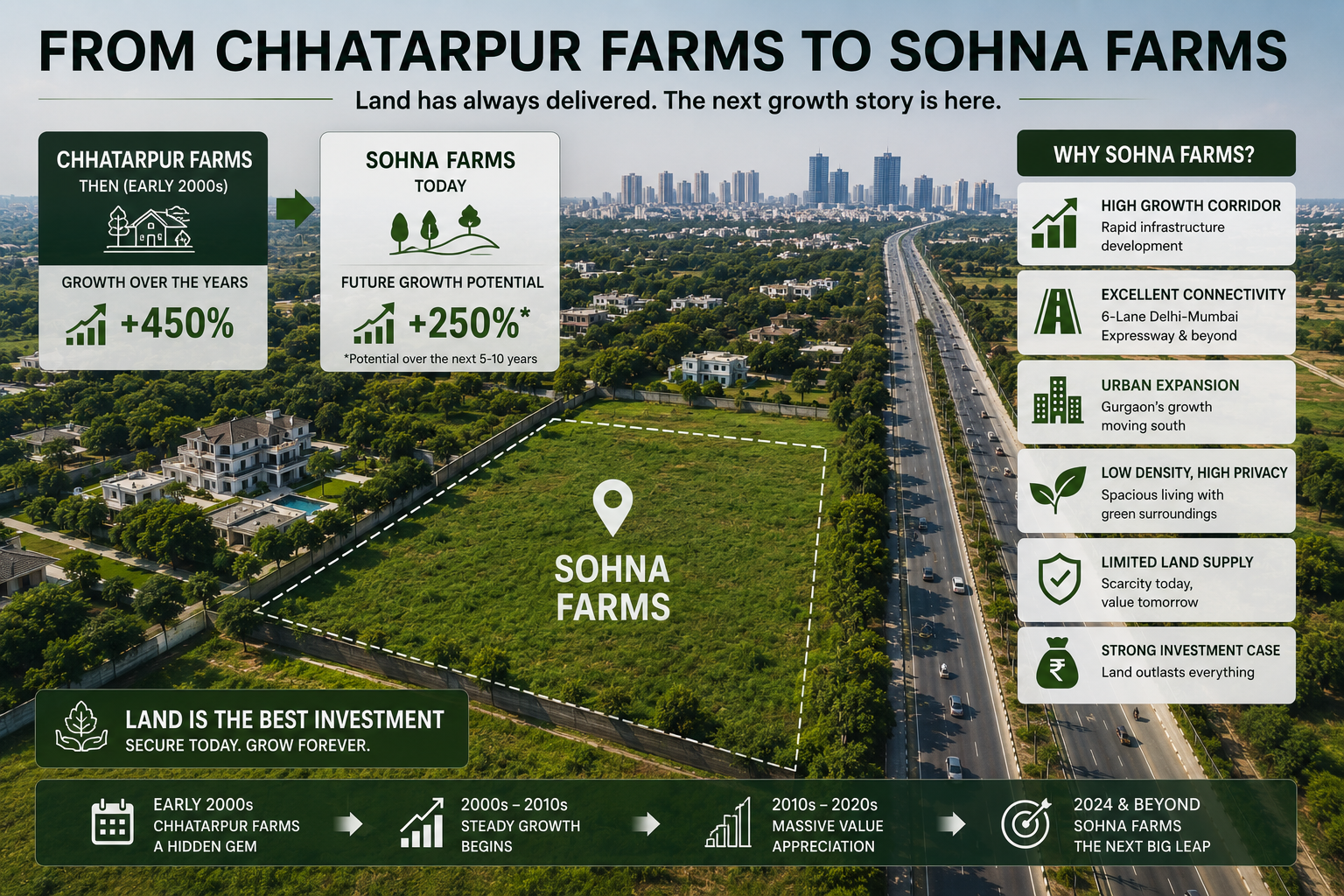
How Chhatarpur Farmhouses Created Multi-Crore Wealth for Early Buyers
What a quiet corner of South Delhi can teach investors about land, scarcity, and long-term wealth creation.
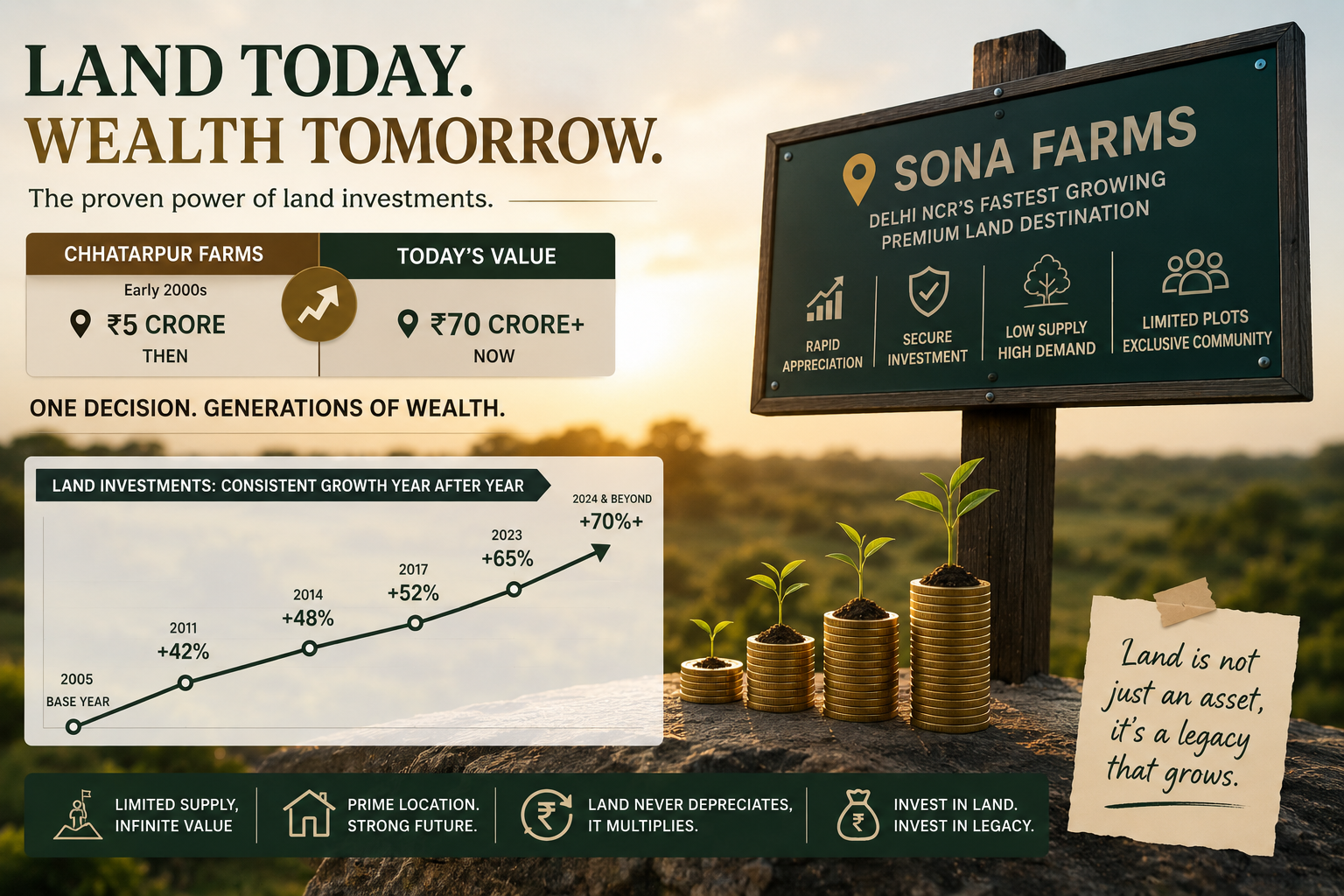
The ₹5 Crore Land Purchase That Became Worth ₹70 Crore
What the Story of DLF Chhatarpur Farms Reveals About Wealth Creation Through Premium Land Ownership
One short email. Stories you can use.
A free, occasional email from our editorial team with our latest features, explainers and reads. Unsubscribe any time — your email stays with us.