The Retreat of Instant Gratification: Quick Commerce Recalibrates in Britain
The rapid expansion of instantaneous delivery services in the UK is yielding to a more considered strategy, as profitability challenges force a re-evaluation of hyper-convenience models.

A recent stroll past what was once a Gorillas dark store in East London, now shuttered and bearing a 'To Let' sign, offers a tangible sign of the shifting tides in quick commerce. The exuberant promises of sub-15-minute delivery, once ubiquitous across urban centres, are encountering the harsh realities of unit economics and consumer demand. This recalibration signals a maturing phase for a sector that surged during the pandemic, now confronting a more discerning market and capital environment.
Initially fuelled by venture capital and a captive home-bound audience, companies like Getir and Gopuff aggressively expanded their footprints, promising unparalleled speed for everyday essentials. This initial land grab prioritised market share over sustainable profit margins, leading to widespread price competition and significant operational losses. The underlying infrastructure, comprising dark stores, electric mopeds, and a large rider workforce, proved costly to maintain, particularly when average order values remained comparatively low.
UK supermarkets have also been active participants, albeit with a more cautious approach. Tesco, for instance, expanded its Whoosh service, leveraging its existing store network for rapid fulfilment rather than building dedicated dark stores from scratch. Sainsbury's similarly pushed its Chop Chop service. This integration of rapid delivery into established grocery operations offers a distinct advantage, capitalising on existing inventory, supply chains, and customer loyalty, often without the same pressure to deliver within unrealistic timeframes.
The Cost of Speed
The core challenge for pure-play quick commerce firms has been converting high customer acquisition costs and low-margin basket sizes into a viable business model. While consumers value speed, the willingness to pay a premium for it appears to have limits, especially as inflationary pressures squeeze household budgets. Deliveroo and Just Eat, while primarily aggregators, have also diversified into rapid grocery, partnering with retailers like Morrisons and Waitrose, demonstrating the wider industry's pivot towards leveraging existing retail infrastructure.
The pursuit of speed at any cost has revealed its fiscal limitations; sustainable growth now requires a balance between customer expectation and operational viability.
The retreat of some international players, or their strategic pivot towards larger basket sizes and longer delivery windows, illustrates this shift. Getir’s consolidation in the UK, for example, along with its broader strategic adjustments, underscores the industry's need to find a path to profitability beyond simply scaling volume. The market is increasingly differentiating between urgent needs and routine convenience, with the latter often better served by scheduled grocery deliveries from Ocado or the click-and-collect options offered by Next and Marks & Spencer.
A More Measured Future
For the broader UK retail landscape, the quick commerce shake-up prompts a deeper look at omnichannel strategies. Retailers are refining their proposition, understanding that consumers may want a swift fashion item from ASOS within hours, but are less inclined to pay a premium for a single pint of milk in under fifteen minutes. The focus is moving from 'instant' to 'convenient' – a subtle yet significant distinction that dictates logistics, pricing, and ultimately, profitability.
The sector is unlikely to disappear entirely; the demand for on-demand convenience remains. However, its future configuration will likely be more integrated, more cost-conscious, and less driven by the pursuit of increasingly marginal gains in delivery time. Consolidation, strategic partnerships, and a clearer focus on sustainable unit economics are now the prevailing imperatives, rather than the rapid, often unprofitable, expansion of previous years. The market is maturing, and with it, expectations are becoming more rational.
News Legacy maintains editorial independence. Some recommendations may contain affiliate links. We earn from qualifying purchases at no additional cost to you. Read our policy.
Read Next

Is Sohna Really the Next Chhatarpur?
Three decades after Chhatarpur redrew South Delhi's map for space, privacy and exclusivity, a familiar pattern is now taking shape further south, and Sohna is where the smart money is beginning to look.
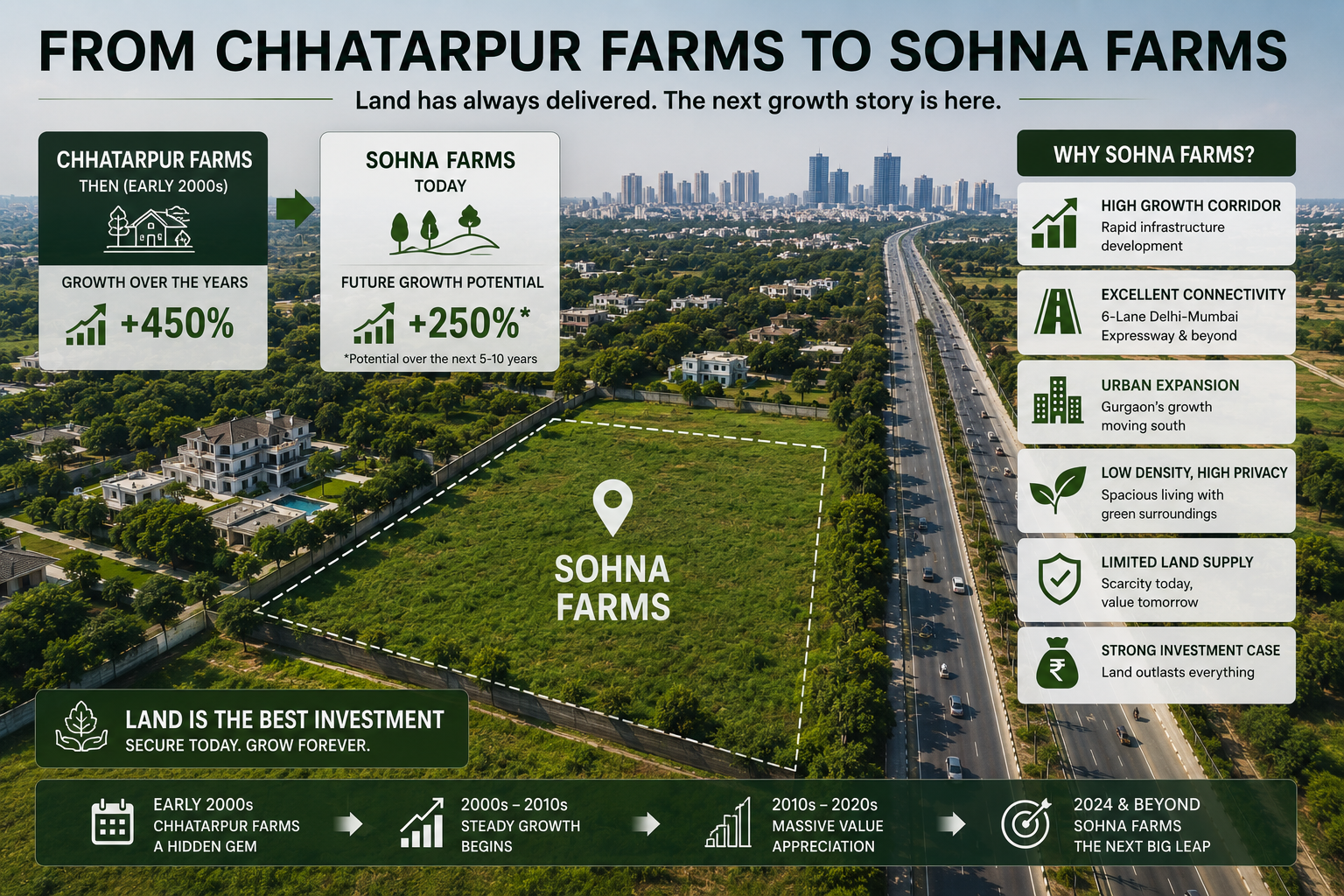
How Chhatarpur Farmhouses Created Multi-Crore Wealth for Early Buyers
What a quiet corner of South Delhi can teach investors about land, scarcity, and long-term wealth creation.
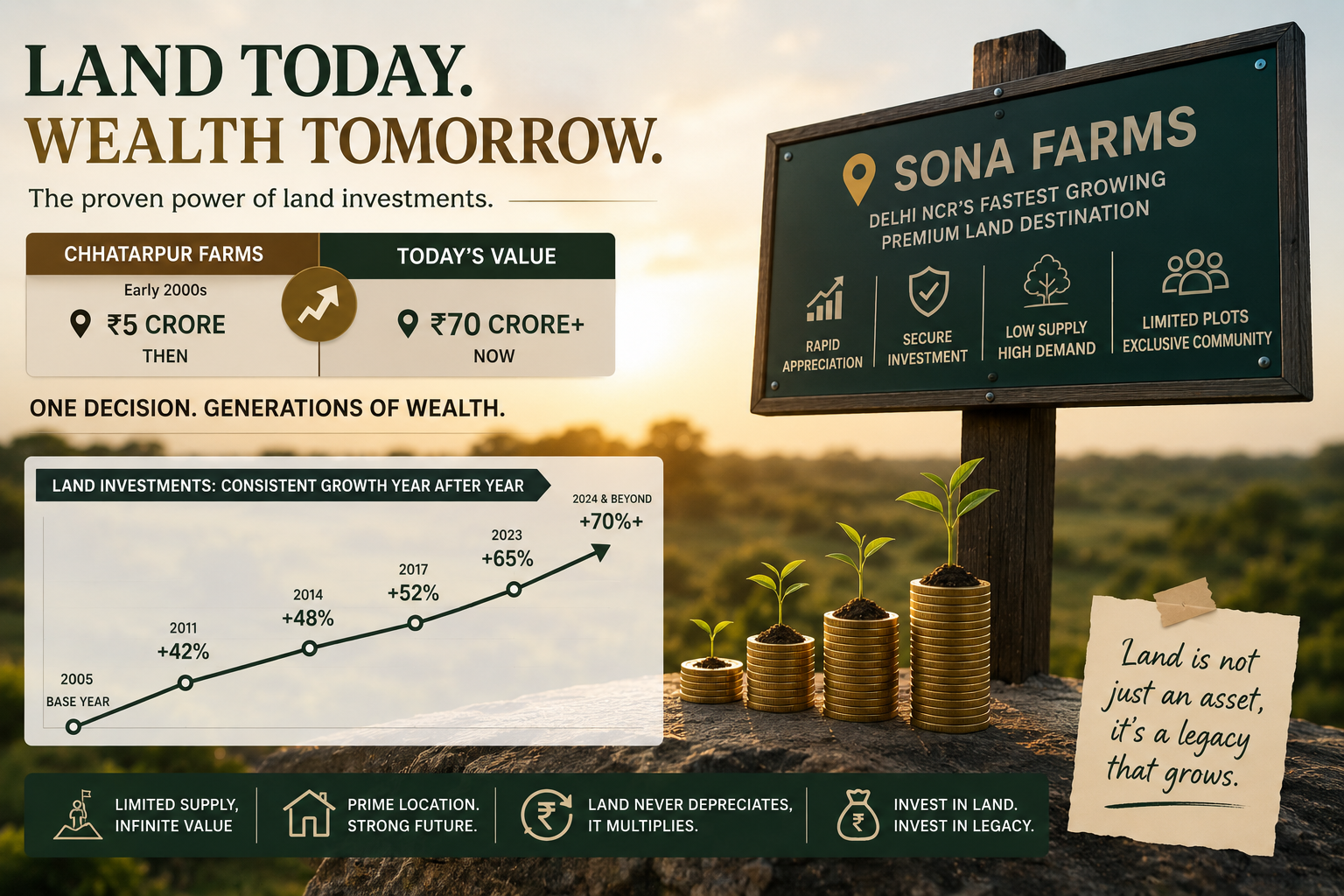
The ₹5 Crore Land Purchase That Became Worth ₹70 Crore
What the Story of DLF Chhatarpur Farms Reveals About Wealth Creation Through Premium Land Ownership
One short email. Stories you can use.
A free, occasional email from our editorial team with our latest features, explainers and reads. Unsubscribe any time — your email stays with us.