The Scarcity of Scale: UK Retail Startups Confront a Maturing Market
New entrants to the British retail sector face a formidable environment where capital is constrained and established players consolidate their advantages, redefining the path to sustained growth.

The recent acquisition of The Hut Group's prestige beauty brands by an affiliate of private equity firm Aurelius Group for a reported £250 million underscores a shifting dynamic within the UK's retail startup ecosystem. Once a fertile ground for agile, digitally native brands to disrupt incumbents, the market now presents a more challenging terrain where achieving significant scale and profitability is increasingly arduous. This environment necessitates a re-evaluation of strategies for both emerging companies and their prospective investors.
During the expansive period of low interest rates and readily available venture capital, numerous direct-to-consumer businesses emerged, promising to bypass traditional retail channels and capture market share with innovative products and streamlined operations. Many secured substantial funding rounds, with some achieving 'unicorn' status based on projections of rapid expansion. However, the true test of operational efficiency and customer loyalty often came later, revealing the high cost of acquisition and retention.
The Endurance of Incumbents
Established UK retailers, far from being complacent, have demonstrated remarkable resilience and adaptability. Tesco, Sainsbury's, and Marks & Spencer have significantly invested in their digital channels, logistics, and loyalty programmes, leveraging decades of brand recognition and vast physical footprints. Ocado's continued partnership with major international grocers, alongside its domestic online grocery dominance, exemplifies how technological prowess can be monetised beyond direct consumer sales, setting a high bar for any new grocery-focused challenger.
The competitive landscape is further intensified by the 'platform giants' such as Deliveroo and Just Eat, which, while not traditional retailers, have reshaped consumer expectations for immediate gratification and convenience across multiple sectors. Any new retail service now contends with this elevated standard, requiring considerable investment in delivery infrastructure and user experience from inception.
For fashion and apparel, the trajectory of companies like ASOS and Next provides a cautionary tale and a blueprint. ASOS's recent financial pressures highlight the volatility of online-only fashion in a crowded market, even for a once-dominant player. Conversely, Next's robust performance, integrating its strong online presence with a strategic store portfolio and robust logistics, demonstrates that a hybrid model, executed effectively, offers greater stability.
Investment patterns reflect this evolving reality. While seed-stage funding for novel concepts persists, the appetite for later-stage growth capital has diminished, particularly for businesses lacking clear paths to profitability. Investors are scrutinising unit economics, customer lifetime value, and burn rates with renewed rigour, favouring sustainable models over aggressive, unproven expansion. This capital constraint fundamentally alters the growth trajectory for aspiring retail giants.
The era of subsidised growth, where profitability could be deferred indefinitely in pursuit of market share, appears to have concluded. Businesses must now demonstrate financial viability from an earlier stage.
This necessitates a strategic pivot for many startups: from focusing solely on rapid customer acquisition to prioritising robust margins, efficient supply chains, and scalable technology. Collaborations with larger retailers, whether through concessions, wholesale agreements, or technology licensing, may increasingly become a more viable route to market penetration and economies of scale than attempting to build an entirely independent empire. The path to a multi-million pound valuation in British retail is no longer merely about digital prowess; it requires a far more complex calculus of capital efficiency, operational excellence, and strategic integration.
News Legacy maintains editorial independence. Some recommendations may contain affiliate links. We earn from qualifying purchases at no additional cost to you. Read our policy.
Read Next

Is Sohna Really the Next Chhatarpur?
Three decades after Chhatarpur redrew South Delhi's map for space, privacy and exclusivity, a familiar pattern is now taking shape further south, and Sohna is where the smart money is beginning to look.
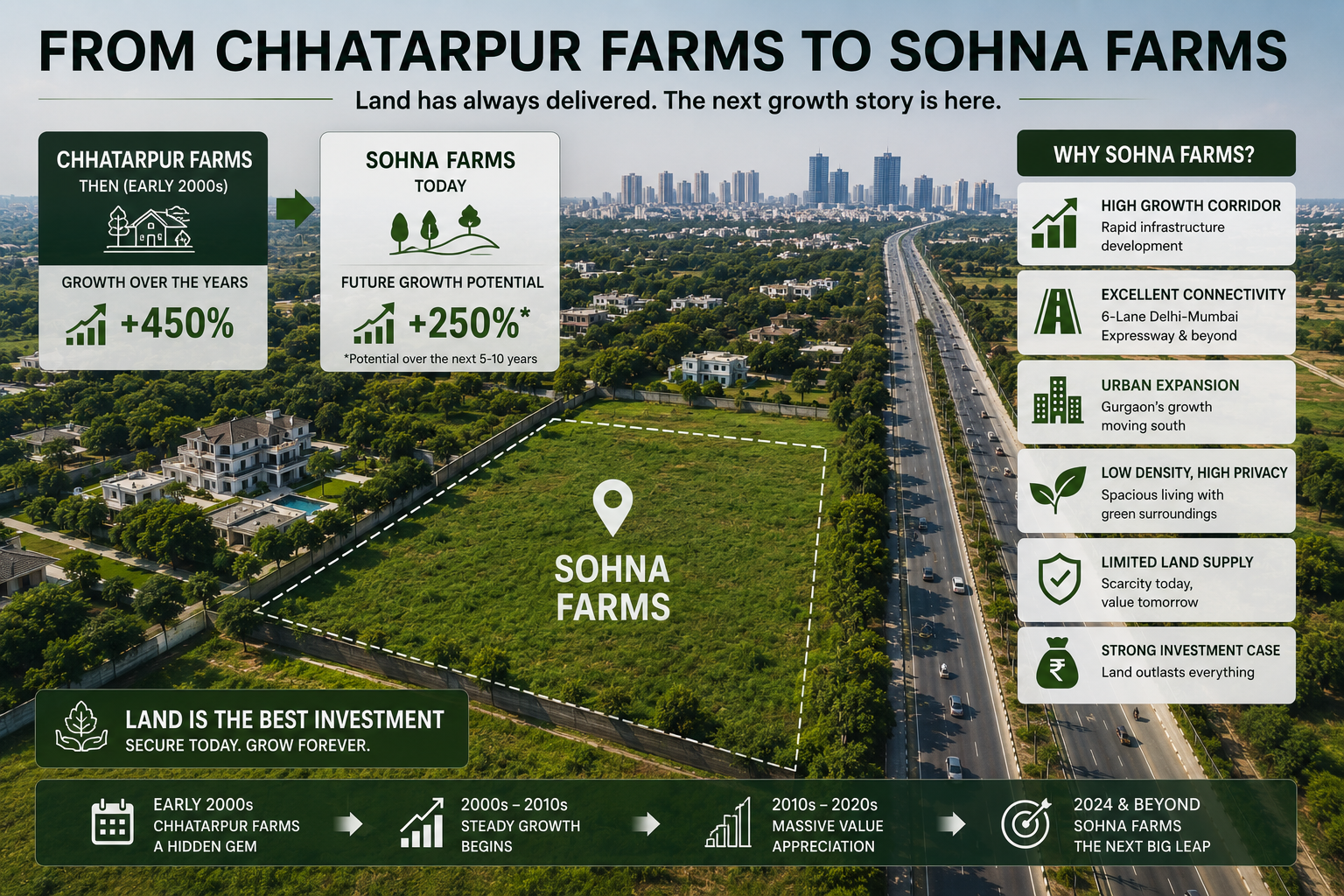
How Chhatarpur Farmhouses Created Multi-Crore Wealth for Early Buyers
What a quiet corner of South Delhi can teach investors about land, scarcity, and long-term wealth creation.
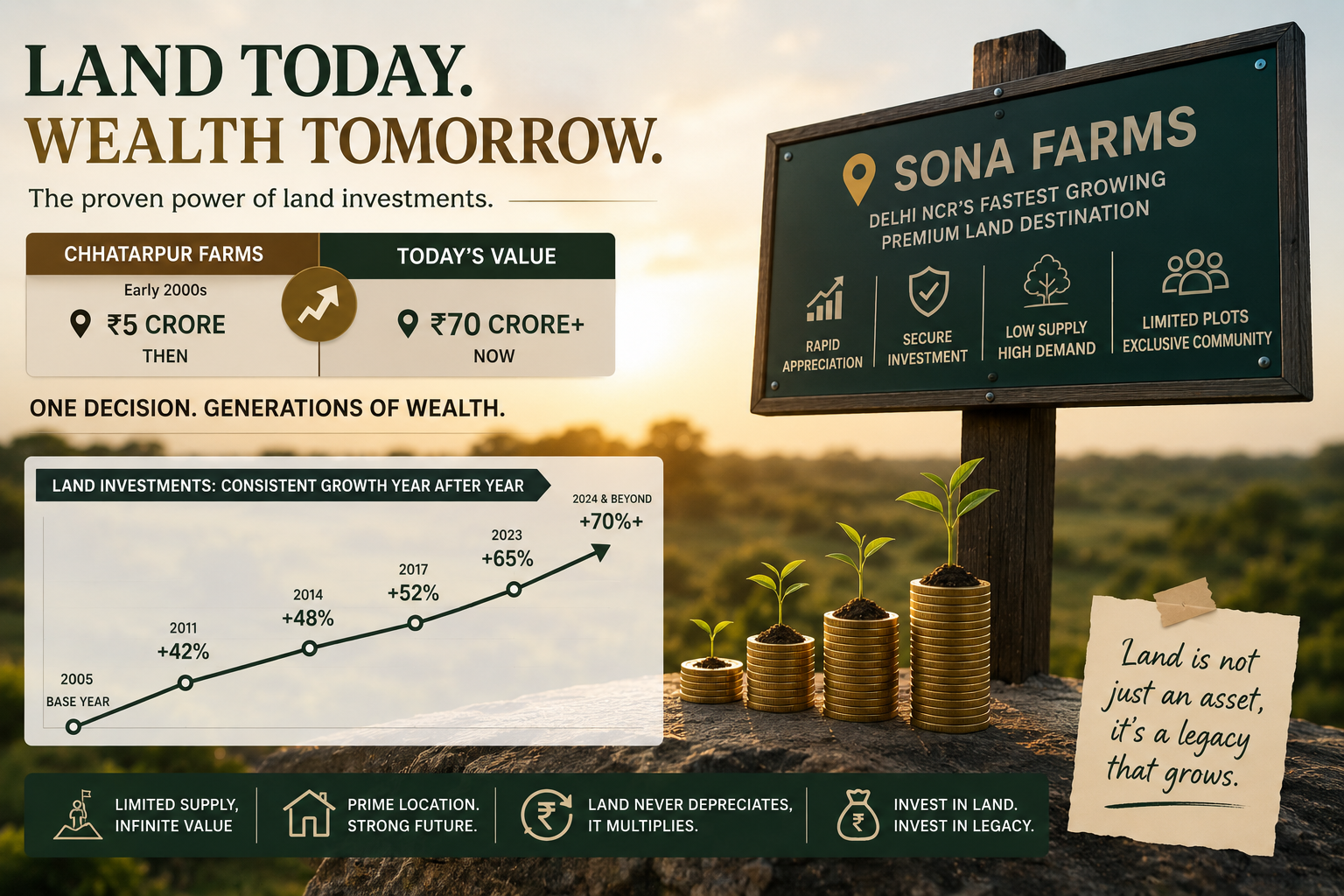
The ₹5 Crore Land Purchase That Became Worth ₹70 Crore
What the Story of DLF Chhatarpur Farms Reveals About Wealth Creation Through Premium Land Ownership
One short email. Stories you can use.
A free, occasional email from our editorial team with our latest features, explainers and reads. Unsubscribe any time — your email stays with us.