The Scramble for the Consumer's First Click: Retailers Confront Digital Fragmentation
As consumers increasingly initiate shopping journeys on diverse platforms, traditional retail giants and emerging challengers are vying for the critical first digital interaction, reshaping advertising strategies and platform partnerships across the American market.

A visit to Amazon's homepage today reveals not merely products, but a deliberate algorithmic dance of sponsored placements, shifting category recommendations, and flash deals tailored to individual browsing histories. This curated storefront, once a dominant gateway for American shoppers, now contends with an array of alternative starting points: a TikTok feed showcasing viral goods, an Instagram influencer's direct link, or a direct search within Instacart for grocery essentials. The battle for the consumer's initial digital impulse is intensifying, reflecting a profound fragmentation in how purchasing decisions are now conceived and executed.
For decades, the journey from intent to purchase often began with a physical store visit or a direct input into a familiar search engine. The current landscape is substantially more diffuse. Data from analytics firms indicates that while Amazon remains a formidable player, a growing share of product discovery now occurs within social media applications or specialized marketplaces. This shift compels brands and retailers to think beyond solitary e-commerce destinations and instead cultivate a pervasive digital presence across numerous touchpoints.
The Waning Hegemony of the Search Bar
Walmart and Target, traditionally reliant on their vast physical footprints, have allocated significant resources to bolster their digital ecosystems. Walmart Connect, their retail media arm, is aggressively pitching its platform to advertisers, leveraging anonymized shopper data to offer targeted ad placements. Similarly, Target's Roundel media network seeks to capture brand advertising budgets by promising precise audience reach within its digital and physical properties. These efforts acknowledge that directing consumers to their own websites is only one facet of a broader strategy; meeting shoppers where they already are has become paramount.
The ascendancy of platforms like TikTok Shop in the U.S. demonstrates the power of integrated discovery and transaction. Consumers encounter products within entertainment feeds, often influenced by creators, and can complete purchases without ever navigating to a separate retailer website. This 'shoppable content' model bypasses several traditional steps in the sales funnel, posing a direct challenge to retailers accustomed to a more deliberate, multi-click path to conversion. The immediacy of such platforms demands a different approach to inventory management and fulfillment, often favoring agile, direct-to-consumer pipelines.
The point of entry for a consumer's shopping journey has become less predictable, forcing retailers to diversify their advertising spend and refine their content strategies across an expanding digital footprint.
This shift is not merely about where an individual clicks, but also about where brands are willing to invest their marketing dollars. A significant portion of ad spend previously directed towards traditional search engine marketing is now being reallocated to social commerce platforms and retail media networks. This rebalancing reflects an understanding that brand visibility at the point of inspiration, rather than solely at the point of expressed demand, can yield substantial returns.
Niche Gateways and Subscription Moats
Beyond social platforms, specialized services are also carving out their own 'first click' dominance within specific categories. Instacart, for instance, has become the de facto starting point for a substantial segment of U.S. grocery shoppers. Its interface, once a delivery service, now functions as a comprehensive digital grocery store, complete with promoted products and curated recommendations. For packaged goods brands, securing prime visibility on Instacart's digital shelves is as crucial as securing favorable placement in a physical supermarket aisle.
Even membership-based retailers like Costco are navigating this fragmented reality. While their core model relies on in-store discovery and bulk purchasing, their digital offerings and partnerships reflect an awareness of evolving consumer habits. The imperative for every retailer, irrespective of their legacy model, is to understand and adapt to the increasingly circuitous and varied paths consumers take towards a purchase. Failure to do so risks relegation to secondary consideration, as competitors capture the initial, decisive interaction.
News Legacy maintains editorial independence. Some recommendations may contain affiliate links. We earn from qualifying purchases at no additional cost to you. Read our policy.
Read Next

Is Sohna Really the Next Chhatarpur?
Three decades after Chhatarpur redrew South Delhi's map for space, privacy and exclusivity, a familiar pattern is now taking shape further south, and Sohna is where the smart money is beginning to look.
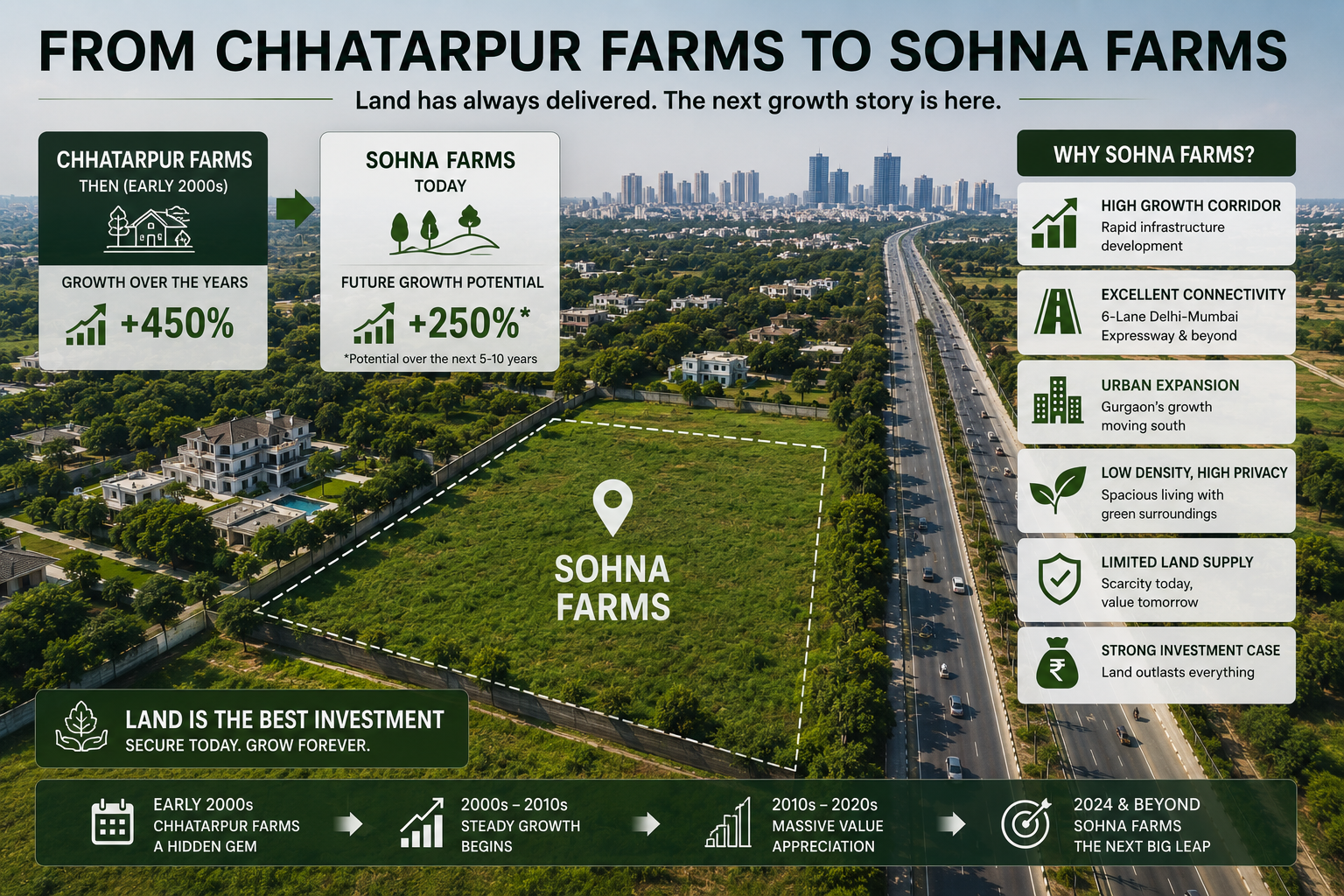
How Chhatarpur Farmhouses Created Multi-Crore Wealth for Early Buyers
What a quiet corner of South Delhi can teach investors about land, scarcity, and long-term wealth creation.

The ₹5 Crore Land Purchase That Became Worth ₹70 Crore
What the Story of DLF Chhatarpur Farms Reveals About Wealth Creation Through Premium Land Ownership
One short email. Stories you can use.
A free, occasional email from our editorial team with our latest features, explainers and reads. Unsubscribe any time — your email stays with us.