The Scrutiny Intensifies: UK Retail Startups Face a Capital Crunch
Early-stage retail ventures across the UK are confronting a markedly tougher fundraising environment, as investors recalibrate expectations and demand clearer paths to profitability amidst economic headwinds.

The recent struggles of 'rapid delivery' grocer Getir, which significantly scaled back its UK operations earlier this year, serve as a potent reminder of changing investor sentiment. Once celebrated for their disruptive potential and fueled by readily available capital, numerous direct-to-consumer (D2C) and e-commerce-focused startups are now navigating a period of heightened scrutiny. The era of exponential growth at any cost appears to be concluding, replaced by a demand for sustainable unit economics and demonstrable market traction, even as consumer spending remains under pressure across the British Isles.
For several years, venture capital and private equity poured billions into digital-first retail concepts, anticipating a permanent shift in consumer purchasing habits accelerated by the pandemic. This influx of capital allowed many nascent businesses to prioritise market share expansion over immediate profitability, often subsidising growth through aggressive marketing campaigns and discounted pricing. However, the macroeconomic landscape — characterised by rising interest rates, persistent inflation, and a cost-of-living crisis impacting UK households – has fundamentally altered this calculus.
Shifting Investor Priorities
Investors are now exhibiting a pronounced preference for companies with robust balance sheets and a clear trajectory towards positive cash flow. Anecdotal evidence suggests that fundraising rounds for seed and Series A retail startups are taking longer to close, often at lower valuations than pre-2022 benchmarks. This pivot reflects a broader recalibration within the investment community, moving away from 'growth at all costs' models towards businesses that can demonstrate resilience and independent financial viability. The days of funding ambitious yet unproven concepts solely on the strength of a pitch deck are definitively fading.
This shift is not uniformly distributed. While capital remains available for businesses addressing genuine market gaps with innovative technology or exceptionally strong brand loyalty, the 'me-too' businesses or those relying on unsustainable customer acquisition costs are finding the gates to funding largely closed. Established retailers like Tesco and Sainsbury's, though facing their own pressures, benefit from established infrastructure and substantial purchasing power, advantages new entrants often lack.
The Pressure on Operating Models
Many retail startups, particularly those in the D2C space, built their initial models on aggressive digital marketing spend and intricate supply chains that now face increased input costs. The cost of acquiring a new customer through platforms like Meta or Google has escalated, while shipping and logistics expenses have risen alongside fuel prices and labour costs. This combination creates a significant squeeze on margins, making the path to profitability considerably steeper.
The market has seen a stark difference in fortunes. While companies like ASOS and Next navigate their own challenges in the fast-fashion and general merchandise sectors, their scale and brand recognition provide some insulation. For smaller, independent labels, every pound spent on customer acquisition or inventory management weighs heavily. Some early-stage companies are reportedly trimming headcounts, slowing expansion plans, or even seeking down rounds of funding to extend their runway.
The chase for hyper-growth often obscures fundamental business truths; current market conditions are forcing a pragmatic re-evaluation of sustainable value creation.
The ripple effect is also observable in partnerships. Strategic collaborations with established players, such as Ocado's technology tie-ups, or Deliveroo and Just Eat's aggregator models, offer alternative routes to market, but even these partners are now scrutinising the long-term viability of their smaller associates. The next 12 to 18 months will likely see a consolidation within the UK retail startup ecosystem, with well-capitalised and strategically sound businesses surviving, while others may be forced to merge, pivot drastically, or cease operations entirely.
News Legacy maintains editorial independence. Some recommendations may contain affiliate links. We earn from qualifying purchases at no additional cost to you. Read our policy.
Read Next

Is Sohna Really the Next Chhatarpur?
Three decades after Chhatarpur redrew South Delhi's map for space, privacy and exclusivity, a familiar pattern is now taking shape further south, and Sohna is where the smart money is beginning to look.
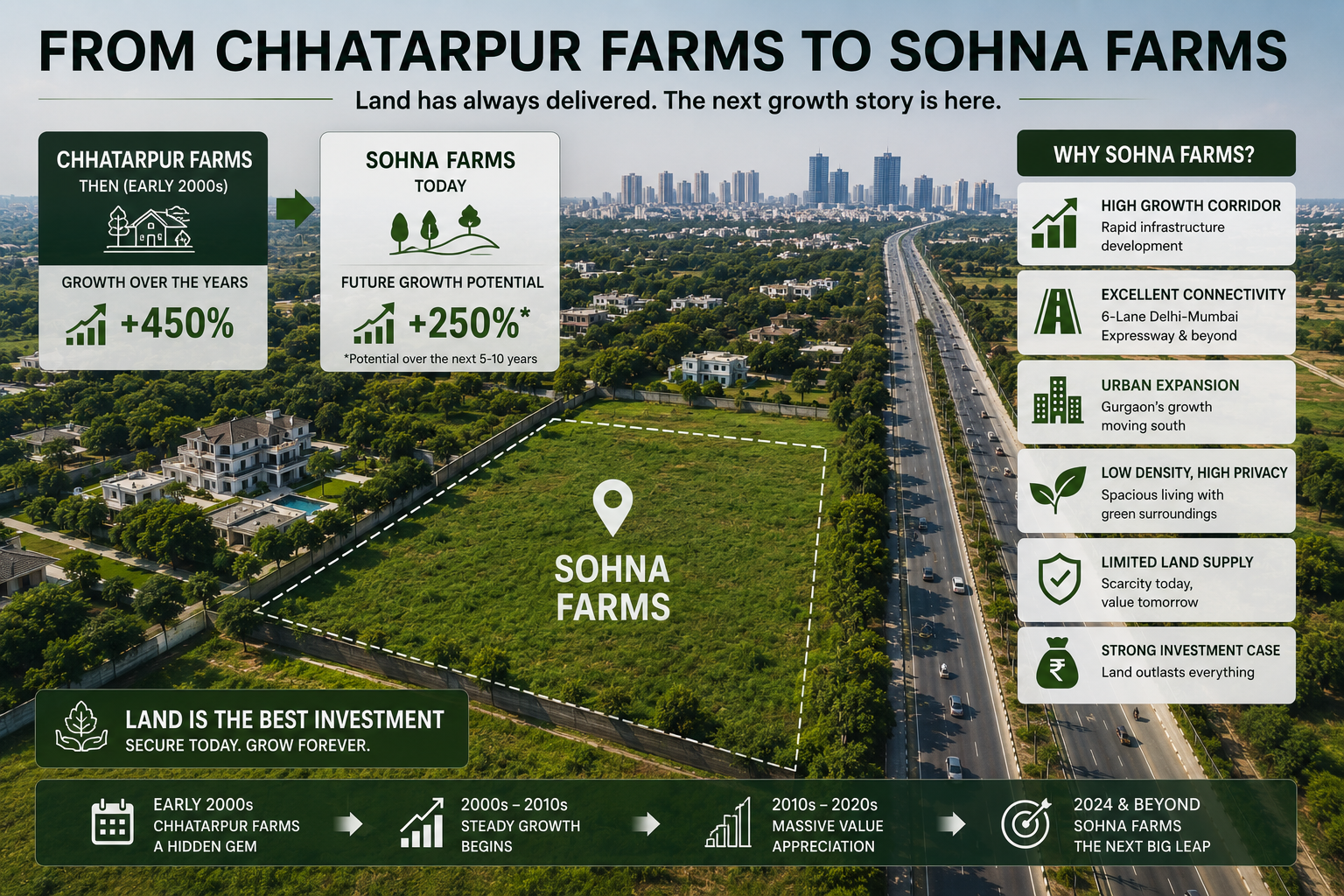
How Chhatarpur Farmhouses Created Multi-Crore Wealth for Early Buyers
What a quiet corner of South Delhi can teach investors about land, scarcity, and long-term wealth creation.
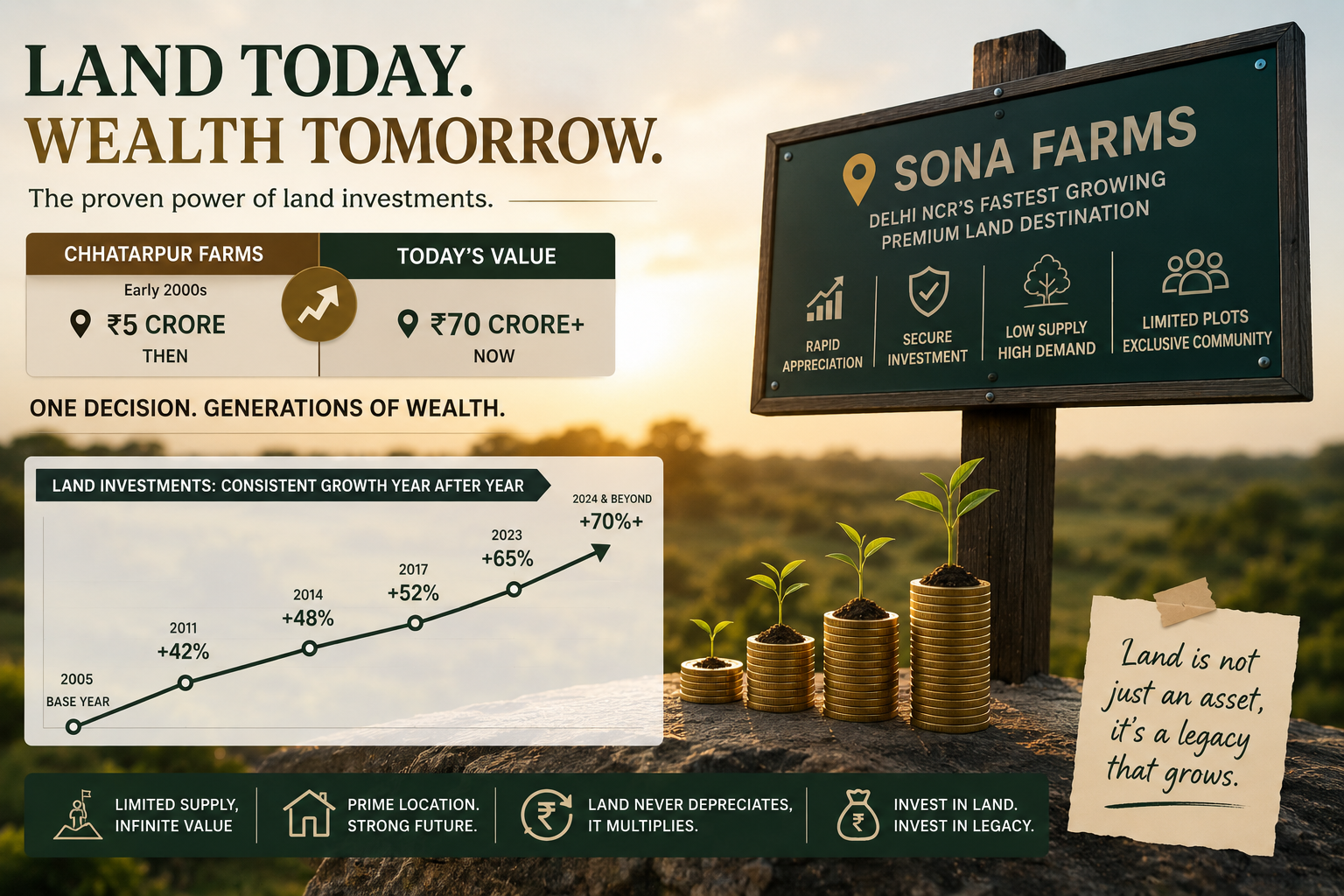
The ₹5 Crore Land Purchase That Became Worth ₹70 Crore
What the Story of DLF Chhatarpur Farms Reveals About Wealth Creation Through Premium Land Ownership
One short email. Stories you can use.
A free, occasional email from our editorial team with our latest features, explainers and reads. Unsubscribe any time — your email stays with us.