The Scrutiny of Scale: Retailers Navigate Antitrust in an Age of Consolidation
As dominant retailers expand their footprints across diverse sectors, regulators and consumers are increasingly questioning the competitive implications of their immense scale. The balance between efficiency and equitable market access faces renewed examination.

Amazon's persistent omnipresence, from its foundational e-commerce marketplace to burgeoning pharmacy and grocery ventures, illustrates a broader trend in American retail: the relentless pursuit of scale. This expansion, often driven by a quest for customer convenience and operational efficiencies, is now drawing considerable attention from lawmakers and regulatory bodies, who are scrutinizing the long-term impacts on market diversity and fair competition.
The concern is not merely about size itself, but about the advantages large enterprises accrue and how these might be used. For instance, the ability for companies like Walmart to leverage their vast logistics networks across numerous product categories, or for Target to integrate its popular private labels deeply into its digital and physical channels, creates powerful barriers to entry for smaller or newer businesses.
The Blurring Lines of Retail
Traditional distinctions between retail sectors have steadily eroded. Costco, once primarily a warehouse club, now offers significant services in optical, pharmacy, and even travel. Instacart, initially a grocery delivery platform, increasingly functions as an advertising network for consumer packaged goods brands, leveraging its direct access to purchasing data. This diversification means that a company's competitive actions in one area can reverberate across entirely different markets.
The regulatory lens is broadening to encompass not just price wars, but also data advantages, platform control, and the potential for self-preferencing. When a single entity operates both a marketplace and sells its own competing products on that same marketplace, questions naturally arise about the fairness of information access and promotional opportunities. This issue is particularly salient for platforms like Amazon and, more recently, TikTok Shop, which offers a direct sales channel alongside its content-driven engagement.
The sheer gravitational pull of integrated retail ecosystems presents a formidable challenge for new entrants, often limiting the practical avenues for market penetration.
Regulators are also examining the impact on employment and local economies. While large retailers often create numerous jobs, their operational models can reshape labor markets, sometimes consolidating opportunities within specific geographic hubs or through automated systems, which has broader societal implications.
Tech's Role in Concentration
Technology platforms, while enabling greater efficiency and consumer choice for many, have also facilitated this concentration of power. Shopify, as a vital enabler of independent e-commerce, stands in contrast to the integrated giants, representing a model that democratizes online selling. Yet even Shopify must contend with the immense marketing and logistical power wielded by its larger counterparts.
The ongoing debates surrounding antitrust in the digital age are complex. They involve balancing the undeniable benefits of scale, such as lower consumer prices and increased convenience, against the potential for stifled innovation, reduced market resilience, and a less diverse economic landscape. The outcome of these regulatory challenges will likely redefine the parameters within which American commerce operates for decades to come, affecting everything from product availability to entrepreneurial opportunity.
Future policy decisions will need to carefully consider how to foster robust competition without unduly penalizing efficiency or discouraging investment in innovative, value-adding services. The retail sector, with its deep connections to daily American life, remains a central arena for these critical questions of economic power.
News Legacy maintains editorial independence. Some recommendations may contain affiliate links. We earn from qualifying purchases at no additional cost to you. Read our policy.
Read Next

Is Sohna Really the Next Chhatarpur?
Three decades after Chhatarpur redrew South Delhi's map for space, privacy and exclusivity, a familiar pattern is now taking shape further south, and Sohna is where the smart money is beginning to look.
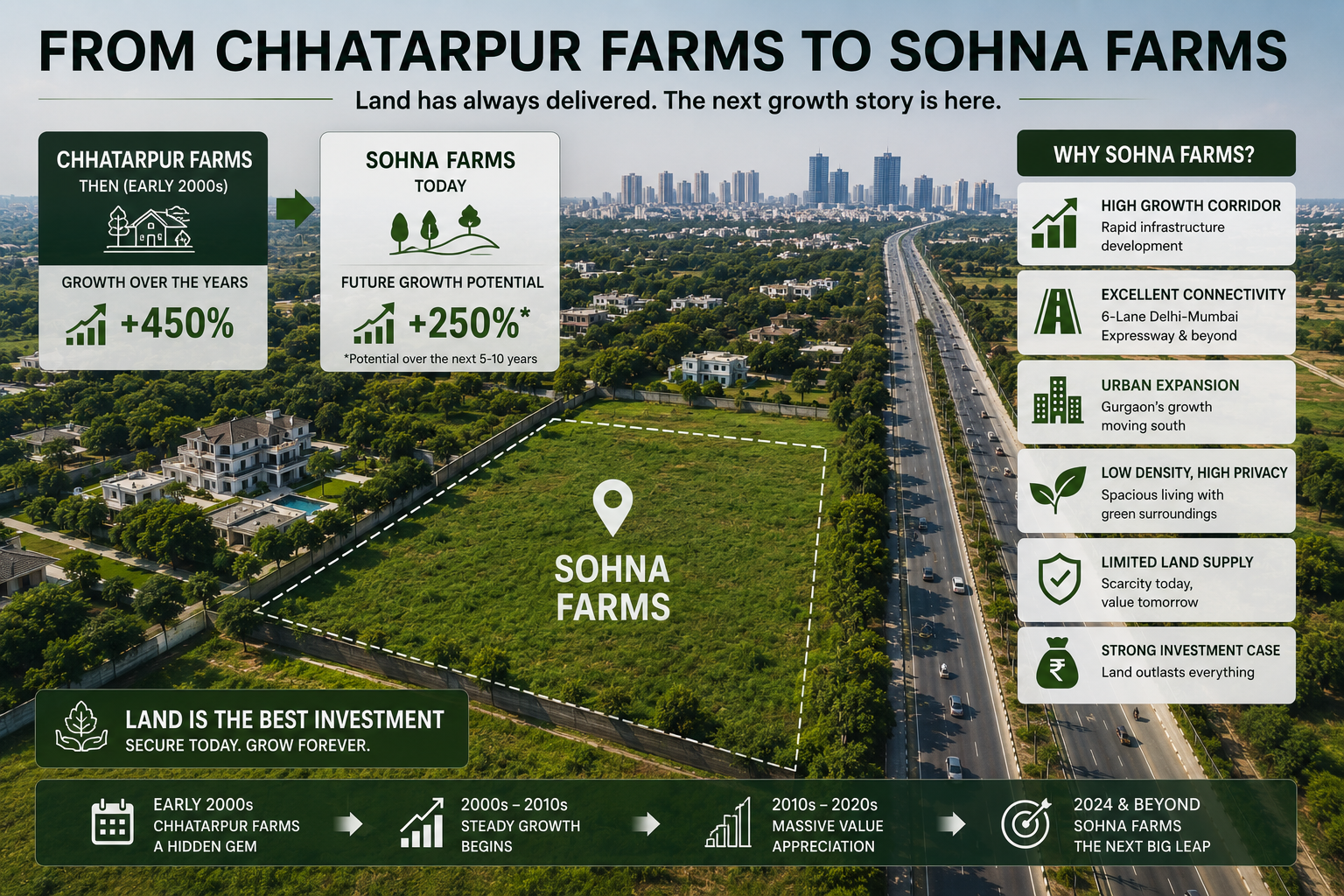
How Chhatarpur Farmhouses Created Multi-Crore Wealth for Early Buyers
What a quiet corner of South Delhi can teach investors about land, scarcity, and long-term wealth creation.
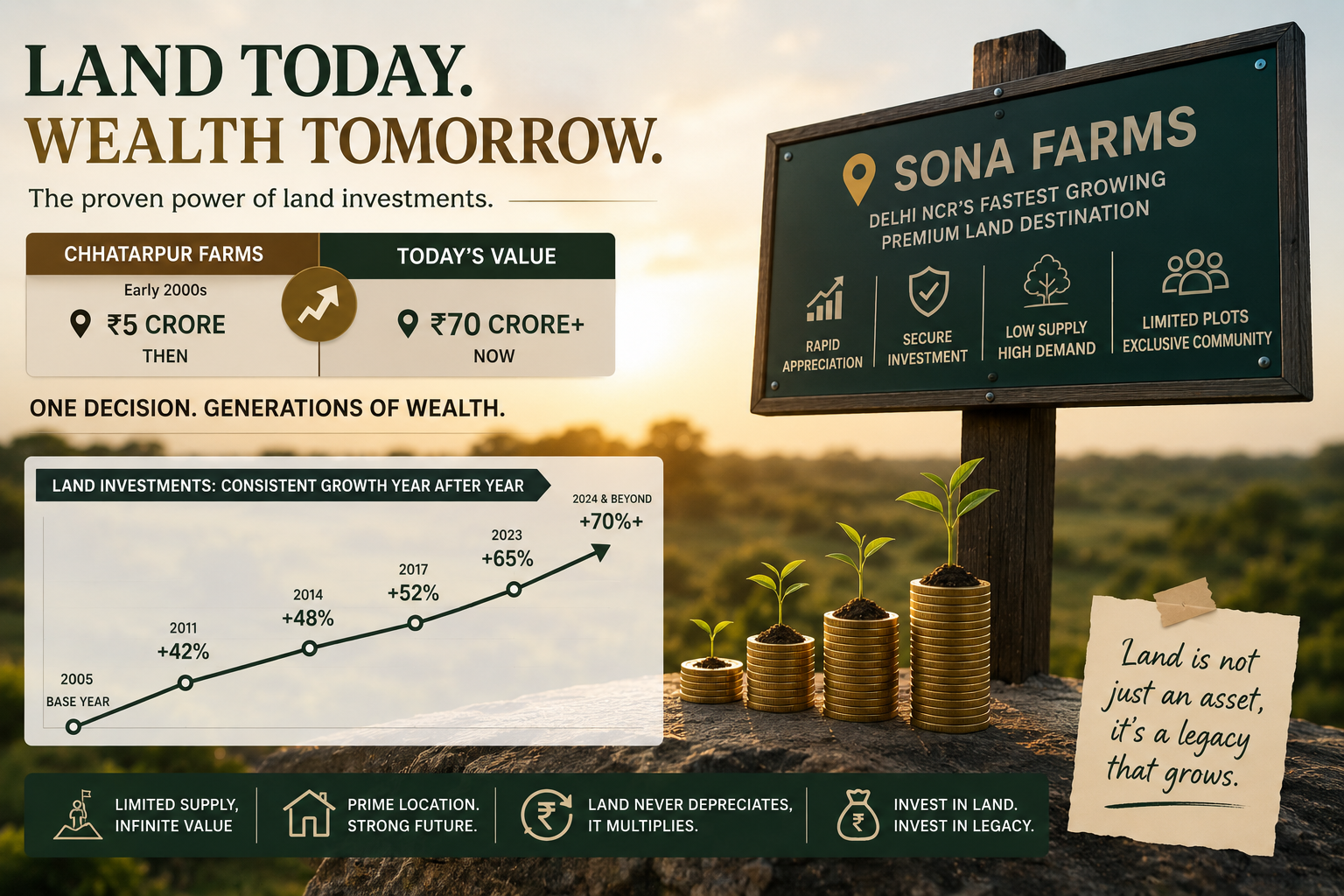
The ₹5 Crore Land Purchase That Became Worth ₹70 Crore
What the Story of DLF Chhatarpur Farms Reveals About Wealth Creation Through Premium Land Ownership
One short email. Stories you can use.
A free, occasional email from our editorial team with our latest features, explainers and reads. Unsubscribe any time — your email stays with us.