The Shifting Architecture of European E-Commerce Fulfilment
European retailers and logistics providers are recalibrating their supply chain strategies, moving beyond traditional national borders to build more resilient and efficient networks amidst evolving consumer demands and geopolitical shifts.

Across Europe, the once-distinct lines of national e-commerce logistics are blurring. Consider Zalando, the Berlin-based fashion giant, which has expanded its fulfilment infrastructure from its core German hubs to include dedicated facilities in Poland, Italy, and Sweden, optimising delivery times and returns processing for consumers across the continent. This strategic geographical spread reflects a broader trend among major players: the recognition that pan-European distribution is no longer an aspiration but an operational imperative, driven by fragmented consumer preferences and the escalating costs of last-mile delivery.
The rapid expansion of online retail, accelerated by the pandemic, exposed vulnerabilities in many established logistics models. Companies like France's Cdiscount or Poland's Allegro, while dominant in their home markets, increasingly face pressure to offer comparable delivery experiences to their German or Spanish counterparts. This necessitates a fundamental rethink of warehousing, inventory placement, and carrier partnerships that transcend individual country operations, pushing investment into modern, automated facilities capable of handling vast SKU ranges and variable order volumes.
The Cross-Border Imperative
For businesses operating across multiple European Union member states, the logistical challenges are multifaceted. Each market presents its own regulatory landscape, consumer expectations regarding delivery speed and cost, and a patchwork of local carriers. A consumer in Barcelona ordering from a retailer headquartered in Amsterdam may expect similar delivery timelines to a domestic purchase, a demand that traditional hub-and-spoke models originating from a single central warehouse struggle to meet efficiently or economically. The solution often involves establishing regional mini-hubs or partnering with third-party logistics (3PL) providers adept at cross-border operations.
The competitive pressure from global behemoths means that companies like Carrefour and REWE, traditionally strong in brick-and-mortar groceries, are now investing heavily in e-commerce fulfilment to support their online grocery delivery ambitions. This frequently involves highly localised micro-fulfilment centres or dark stores, often in urban areas, to satisfy the demand for rapid, often same-day, delivery. The economics of such operations remain challenging, with high labour costs and property prices in densely populated zones impacting profitability.
The strategic deployment of inventory closer to the end consumer, irrespective of national borders, is becoming the cornerstone of competitive e-commerce logistics.
Venture capital-backed rapid grocery delivery services, such as the legacy operations of Gorillas or Flink, attempted to solve the 'instant delivery' problem through an extreme version of this decentralisation. While their hyper-local dark store model proved unsustainable at scale for many, the underlying principle of proximity to the consumer has influenced more traditional retailers. Lidl, for instance, has been observed experimenting with its own online fulfilment models, selectively integrating digital channels with its extensive physical store network to create hybrid solutions for click-and-collect or local delivery.
The secondary market for consumer goods also highlights these trends. Platforms like Vinted, facilitating peer-to-peer sales across European countries, rely on an intricate web of parcel carriers and postal services to move items efficiently and affordably from one member state to another. Their success underscores the consumer expectation for accessible cross-border trade, even for lower-value transactions, placing further demands on the underlying logistics infrastructure.
Technology and Scalability
The evolution of European logistics is inextricably linked to technological advancement. Automation within warehouses, from robotic picking systems to intelligent conveyor belts, is becoming essential to process the sheer volume and variety of e-commerce orders. Data analytics plays a crucial role in optimising inventory placement, predicting demand spikes, and routing deliveries. These investments, often running into tens of millions of euros for large-scale facilities, are critical for achieving the necessary speed and accuracy while managing escalating labour costs.
Scalability is another key consideration. Retailers need systems that can flex significantly to accommodate seasonal peaks, such as Black Friday or the Christmas period, which can see order volumes surge by several hundred percent. This often involves a blend of owned infrastructure, flexible 3PL partnerships, and advanced software solutions that can dynamically allocate resources. The ultimate goal is a cohesive, adaptable supply chain that can seamlessly serve a diverse European customer base, bridging linguistic, cultural, and geographical divides with operational efficiency.
The fragmentation of the European market, while presenting challenges, also fosters innovation. Logistics providers are developing increasingly sophisticated cross-border services, offering consolidated customs clearance, harmonised tracking, and integrated return solutions across multiple countries. This push towards greater integration reflects an understanding that the future of European commerce is inherently borderless, requiring a logistical backbone equally unbound by traditional national paradigms.
News Legacy maintains editorial independence. Some recommendations may contain affiliate links. We earn from qualifying purchases at no additional cost to you. Read our policy.
Read Next
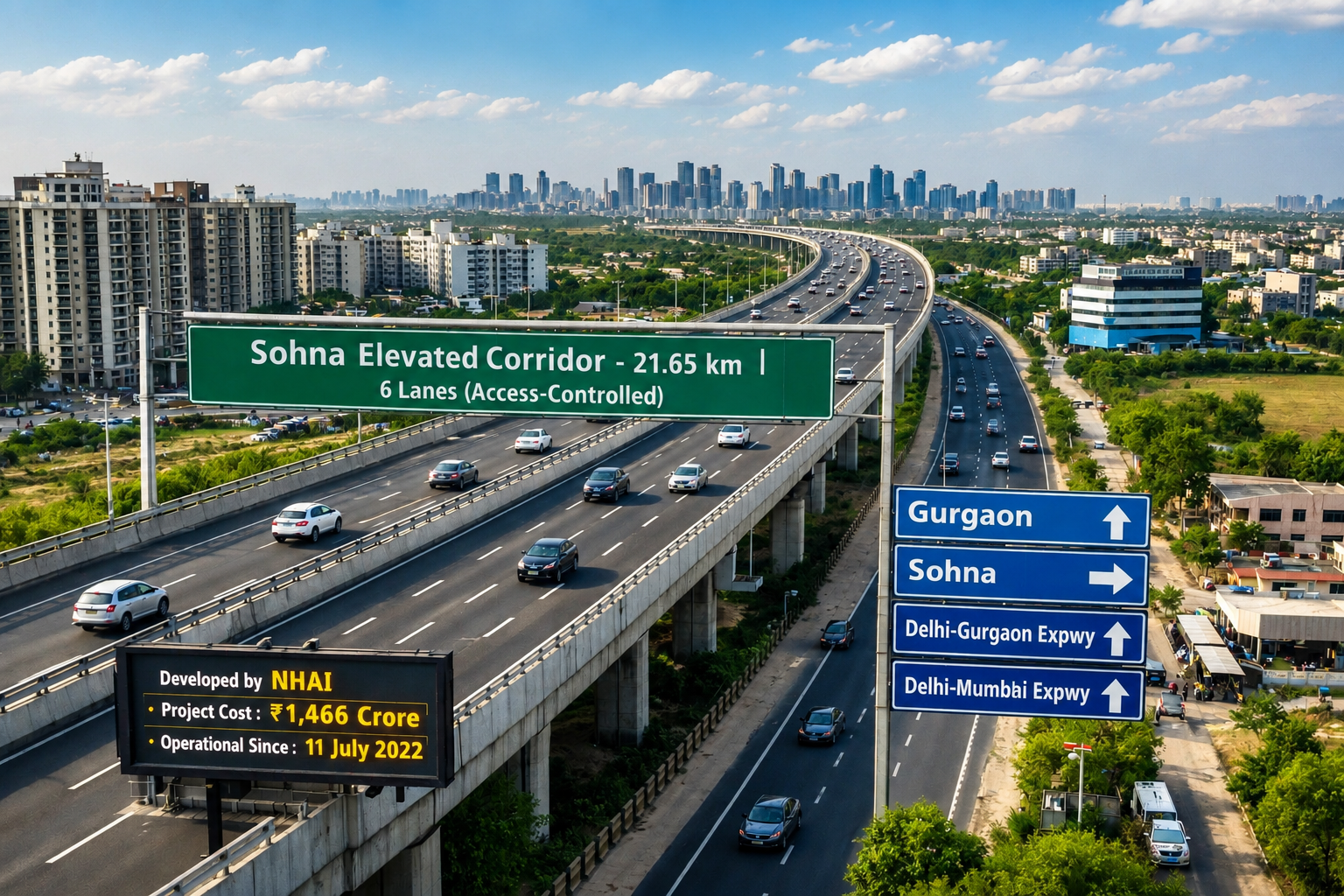
Is Sohna Really the Next Chhatarpur?
Three decades after Chhatarpur redrew South Delhi's map for space, privacy and exclusivity, a familiar pattern is now taking shape further south, and Sohna is where the smart money is beginning to look.
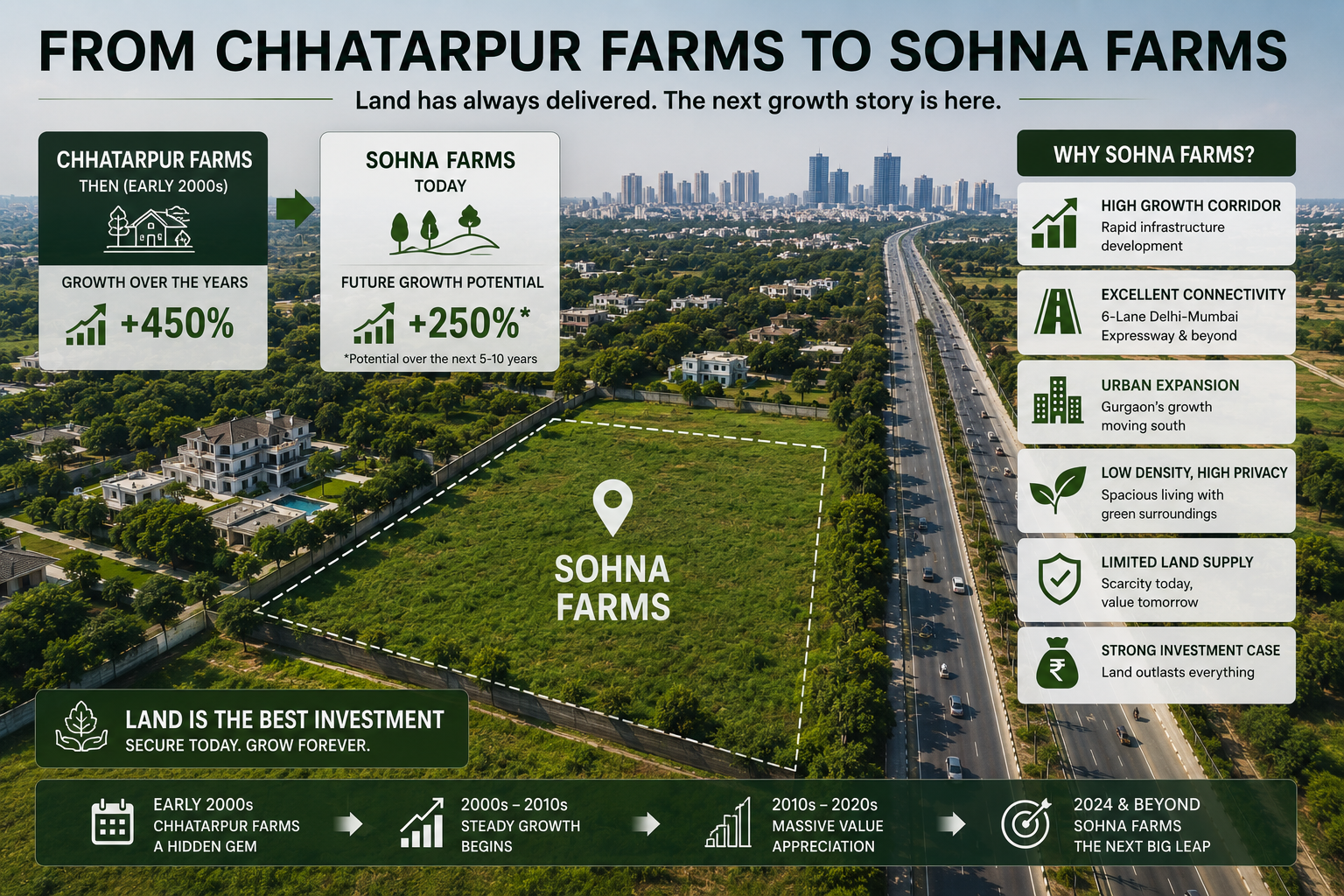
How Chhatarpur Farmhouses Created Multi-Crore Wealth for Early Buyers
What a quiet corner of South Delhi can teach investors about land, scarcity, and long-term wealth creation.

The ₹5 Crore Land Purchase That Became Worth ₹70 Crore
What the Story of DLF Chhatarpur Farms Reveals About Wealth Creation Through Premium Land Ownership
One short email. Stories you can use.
A free, occasional email from our editorial team with our latest features, explainers and reads. Unsubscribe any time — your email stays with us.