The Shifting Calculus of Creator Influence in Europe's Digital Marketplaces
European e-commerce platforms are increasingly recalibrating their engagement with independent content creators, moving beyond traditional affiliate models towards integrated commerce solutions. This strategic evolution reflects a deepening competition for consumer attention and direct sales channels.

When Vinted, the Lithuanian second-hand fashion platform, sought to deepen its market penetration across Spain and Italy, it did not rely solely on traditional advertising. Instead, it cultivated a network of fashion-focused content creators, whose authentic product endorsements and styling videos resonated with target demographics in ways conventional marketing struggled to achieve. This approach underscores a broader, yet nuanced, shift within European e-commerce: the growing strategic integration of creator influence.
Major players like Zalando, based in Germany, and Allegro, Poland's dominant online marketplace, are navigating this landscape with varying degrees of success. Zalando has invested in its 'Connected Retail' programme, enabling physical stores to sell through its platform, and has slowly introduced features that allow brands and, by extension, their associated creators, to curate more direct storefronts. Allegro, with its robust vendor ecosystem, provides ample opportunity for smaller merchants to leverage creators for product discovery, though often via third-party solutions rather than direct platform integration.
The trajectory is clear: platforms are seeking to internalise the creator economy rather than remain mere conduits for affiliate links. This involves developing tools for creators to manage storefronts directly, offering enhanced analytics on conversion, and, crucially, streamlining the path from content consumption to purchase within the platform's ecosystem. The objective is to retain transaction value and user engagement that might otherwise flow to external social media sites.
The Platform Imperative: From Discovery to Conversion
Across the continent, from France's Cdiscount to the Netherlands' Bol.com, the challenge remains consistent: how to convert discovery into direct sales with minimal friction. The typical journey, where a creator showcases a product on Instagram or TikTok and links out to a retailer, introduces multiple points of abandonment. Platforms are therefore investing in functionalities that allow creators to tag products directly within their content hosted on the platform, facilitating immediate purchase.
This strategy is particularly pertinent as retailers contend with the fragmented digital attention of consumers. While the overall European e-commerce market continued its expansion, reaching an estimated €910 billion in 2023, growth rates have stabilised compared to the pandemic-driven surges. Capturing a larger share of wallet now depends on more sophisticated engagement tactics than simply offering competitive pricing.
The transition from a creator-as-marketer to a creator-as-curator and direct seller within platform ecosystems represents a fundamental re-evaluation of value. Platforms are recognising that creators are not merely advertising vehicles but distinct channels for commerce.
Local Dynamics and Cross-Border Opportunities
The integration of creators also plays a crucial role in cross-border commerce within the EU. A creator based in Germany, for instance, showcasing products from a Polish small business on Allegro, can effectively bridge geographical and cultural divides. This is a subtle but potent competitive advantage, particularly for platforms with a strong multi-country presence or ambition.
While some platforms, such as the now-defunct Gorillas and Flink, primarily leveraged creators for customer acquisition in a highly competitive delivery market, the enduring utility of creator commerce lies in its ability to drive sustainable demand. For established grocers like Carrefour, REWE, and Lidl, the nascent stages of creator involvement often revolve around recipe content or lifestyle integrations, slowly paving the way for more direct product-to-cart pathways.
The underlying economic imperative for these platforms is enhanced stickiness and higher average order values. By fostering a vibrant creator ecosystem within their domains, they can cultivate a more engaged user base, reduce reliance on costly external advertising, and ultimately, fortify their position in Europe's intricate digital retail landscape. The next phase will likely see more sophisticated revenue-sharing models and data-driven insights tailored for creators, deepening their financial incentives to remain platform-loyal.
News Legacy maintains editorial independence. Some recommendations may contain affiliate links. We earn from qualifying purchases at no additional cost to you. Read our policy.
Read Next

Is Sohna Really the Next Chhatarpur?
Three decades after Chhatarpur redrew South Delhi's map for space, privacy and exclusivity, a familiar pattern is now taking shape further south, and Sohna is where the smart money is beginning to look.
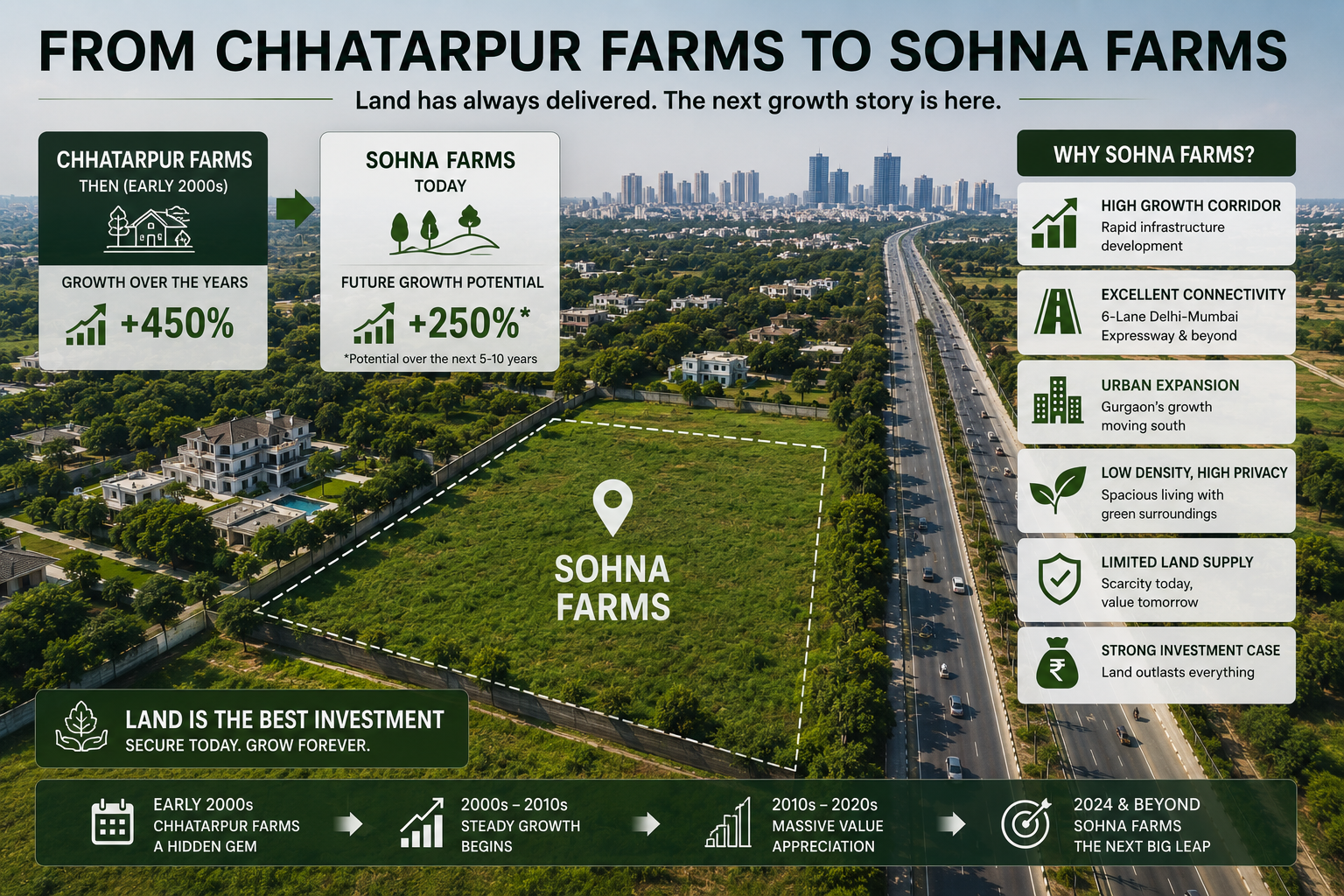
How Chhatarpur Farmhouses Created Multi-Crore Wealth for Early Buyers
What a quiet corner of South Delhi can teach investors about land, scarcity, and long-term wealth creation.
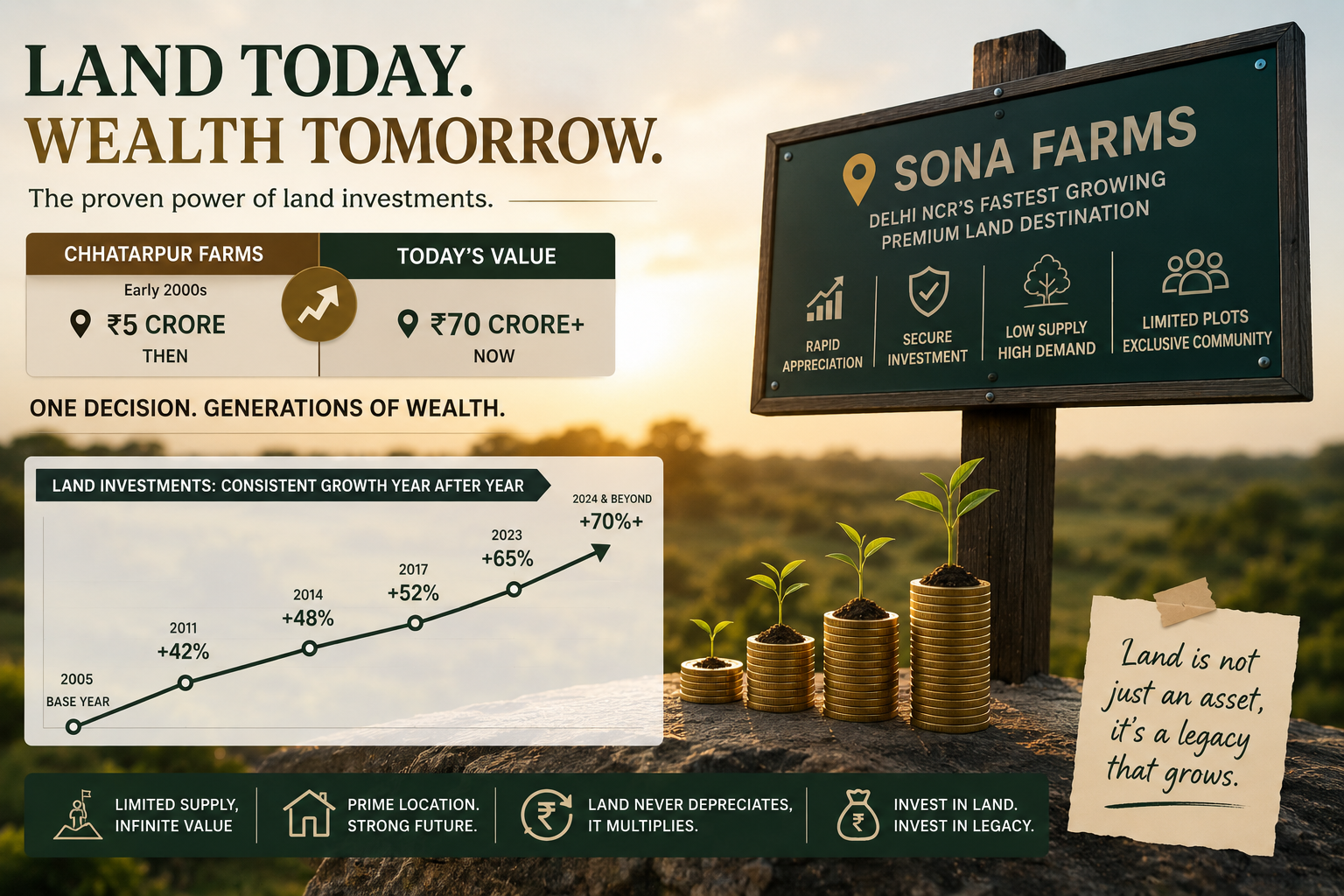
The ₹5 Crore Land Purchase That Became Worth ₹70 Crore
What the Story of DLF Chhatarpur Farms Reveals About Wealth Creation Through Premium Land Ownership
One short email. Stories you can use.
A free, occasional email from our editorial team with our latest features, explainers and reads. Unsubscribe any time — your email stays with us.