The Shifting Current: Creator Commerce Reshapes UK Retail Engagements
Across Britain, individual digital content creators are increasingly influencing consumer purchasing decisions, directly challenging established retail pathways and forcing a re-evaluation of brand-to-customer strategies.

A casual scroll through Instagram or TikTok reveals a vibrant ecosystem of independent creators in the UK, many of whom have transitioned from merely reviewing products to actively selling them. This phenomenon, often termed 'creator commerce,' signifies a deeper integration of content and transaction, moving beyond affiliate links to direct sales of bespoke merchandise, digital products, or even curated physical goods. This evolving landscape presents both opportunities and strategic dilemmas for incumbent retailers, from high street stalwarts like Marks & Spencer and Next to online pure-plays such as ASOS.
The traditional retail funnel, long defined by large marketing budgets and broad advertising campaigns, is undergoing significant disruption. Instead of relying solely on brand messaging, consumers are increasingly swayed by authentic endorsements and direct sales from individuals they trust and follow. This trust economy, fostered through consistent content creation, allows smaller brands and even sole traders to achieve market penetration that would have been unattainable a decade ago without substantial capital investment.
Consider the bespoke pottery sold through a TikTok live stream, or a niche fashion line launched via an influencer's Instagram Stories. These micro-economies, often operating with minimal overhead, demonstrate the agility and direct connection that larger entities struggle to replicate. For instance, while Tesco or Sainsbury's leverage extensive supply chains and marketing reach, their direct engagement with individual customer segments on a personal level remains a significant challenge.
The Appeal of Authenticity and Niche Markets
One primary driver of creator commerce's ascent is the perceived authenticity and specialisation offered. Consumers, particularly younger demographics, exhibit a growing scepticism towards traditional advertising. A product recommended by a creator who genuinely uses and understands it often carries more weight than a glossy advert. This shift has given rise to highly specific niche markets, where creators can cater to deeply engaged audiences for items ranging from sustainable skincare to obscure hobby equipment, markets often overlooked or underserved by mass retailers.
The financial implications are becoming substantial. While precise aggregated figures for UK creator commerce remain nascent, global projections indicate a multi-billion-pound industry. Anecdotal evidence suggests creators with audiences exceeding 100,000 followers can generate six-figure annual incomes purely from product sales and brand collaborations. This direct monetisation bypasses layers of distribution and marketing, allowing for more competitive pricing or higher profit margins for the creator.
The power has decisively shifted towards individuals who can cultivate genuine communities and convert engagement into direct economic transactions.
For established British retailers, the challenge is two-fold: how to compete with this burgeoning direct-to-consumer model, and how to effectively collaborate with it. Some, like Marks & Spencer, have begun experimenting with influencer marketing, but direct integration of creator-driven sales into their primary commercial channels remains largely unexplored. The operational complexities of managing vast creator networks and integrating their disparate product lines into a unified logistical framework are considerable.
ASOS, an online fashion retailer, faces a particularly acute pressure. Historically, its model was built on offering a broad selection from various brands, often influenced by wider fashion trends. Now, individual stylists and designers on platforms like Depop, often leveraging social media reach, can bypass ASOS entirely, selling unique or vintage pieces directly to their followers. This represents a decentralisation of fashion retail that demands a response beyond merely stocking the latest high-street trends.
The next phase for UK retail will likely involve a hybrid model. Larger players might seek to integrate creator commerce more deeply, perhaps by offering curated 'creator storefronts' within their platforms, providing logistical support, or investing in creator-led product development. This strategic embrace, rather than outright competition, could offer a path for legacy retailers to tap into the authenticity and direct engagement that creators so effectively cultivate, reshaping the commercial landscape for years to come.
News Legacy maintains editorial independence. Some recommendations may contain affiliate links. We earn from qualifying purchases at no additional cost to you. Read our policy.
Read Next

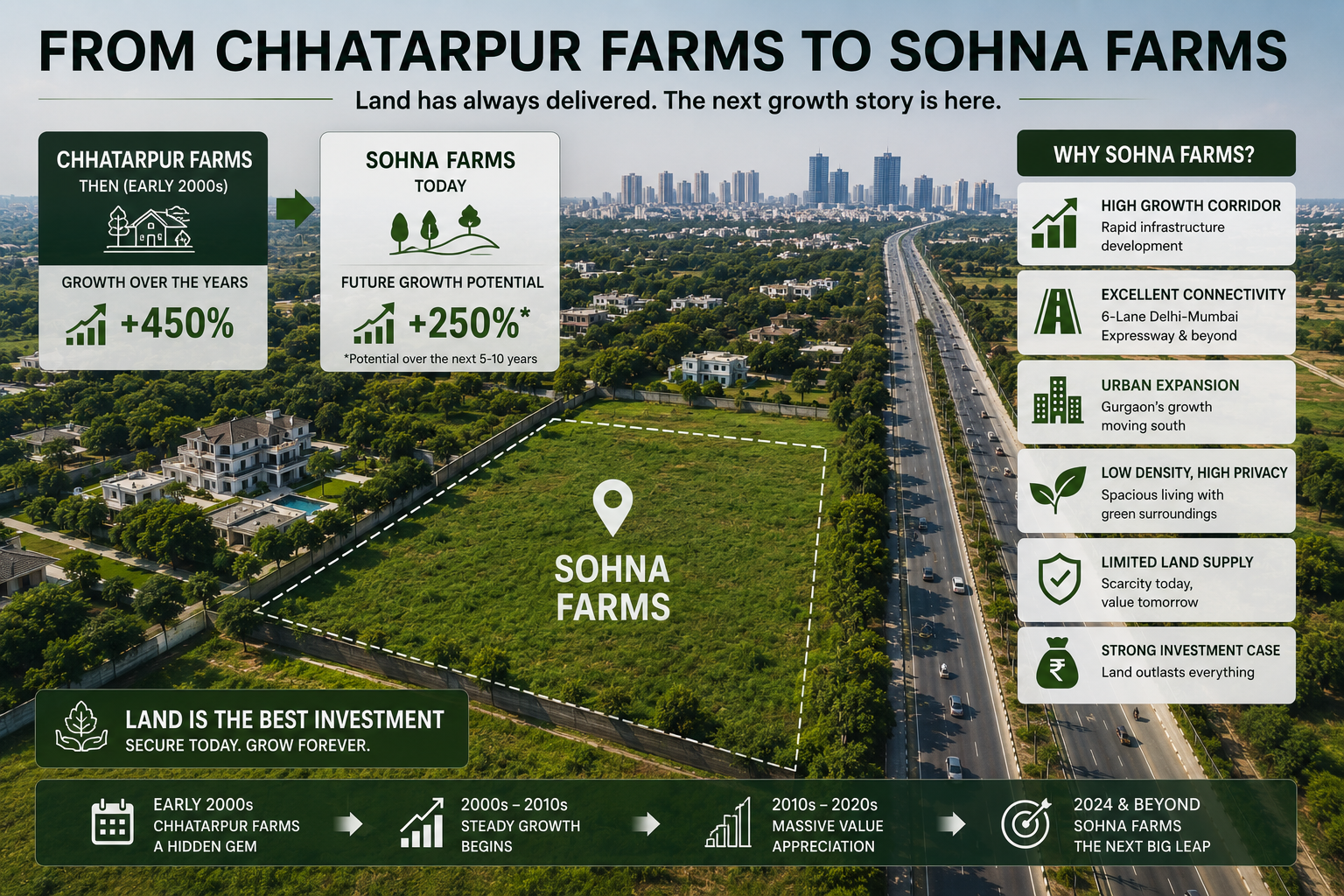
Is Sohna Really the Next Chhatarpur?
Three decades after Chhatarpur redrew South Delhi's map for space, privacy and exclusivity, a familiar pattern is now taking shape further south, and Sohna is where the smart money is beginning to look.
How Chhatarpur Farmhouses Created Multi-Crore Wealth for Early Buyers
What a quiet corner of South Delhi can teach investors about land, scarcity, and long-term wealth creation.

The ₹5 Crore Land Purchase That Became Worth ₹70 Crore
What the Story of DLF Chhatarpur Farms Reveals About Wealth Creation Through Premium Land Ownership
One short email. Stories you can use.
A free, occasional email from our editorial team with our latest features, explainers and reads. Unsubscribe any time — your email stays with us.