The Shifting Sands of British Retail: From Aisle to Algorithm
The fundamental dynamics of how Britons acquire goods are undergoing a profound re-evaluation, driven by evolving consumer priorities and an intensified digital imperative. Traditional retail models face persistent challenges, compelling a recalibration of investment and strategy across the sector.

A recent visit to a major Tesco Extra in the suburban periphery of London reveals a landscape in flux. While aisles dedicated to fresh produce and household staples remain bustling, the once-prominent DVD sections have shrunk to a mere fraction of their former size, supplanted by an expanded array of ready meals and click-and-collect stations. This microcosm reflects a broader trend sweeping across the United Kingdom's retail environment, where the pandemic's acceleration of digital adoption has cemented new purchasing behaviours, compelling even established giants to fundamentally rethink their operational blueprints.
The competitive pressures on retailers, from high street stalwarts to pure-play online operators, have never been more acute. Inflationary pressures continue to squeeze consumer spending power, leading to a demonstrable shift towards value and necessity. Data from the Office for National Statistics indicates a persistent decline in non-food retail sales volumes over recent months, even as grocery sales have shown modest growth, often driven by price increases rather than increased quantity. This dichotomy underlines a consumer base exercising greater discretion with discretionary income.
The Digital Imperative Intensifies
For companies like ASOS, which pioneered fast fashion online, maintaining relevance in a crowded and ethically scrutinised market presents a different set of challenges. While digital native, they must now contend with escalating logistics costs and returns rates that erode profitability. Conversely, brick-and-mortar mainstays such as Marks & Spencer and Next have invested substantially in their online infrastructure, aiming to leverage their brand equity and physical footprint as complementary assets rather than liabilities. Next, in particular, has seen consistent growth in its online division, showcasing the potential for traditional retailers to adapt effectively.
The grocery sector offers perhaps the most vivid illustration of this digital pivot. While online grocery penetration in the UK had been steadily climbing pre-2020, the subsequent lockdowns spurred unprecedented adoption. Ocado, with its sophisticated automated warehouses, became a bellwether for the future of food delivery, even as rivals like Sainsbury's and Tesco rapidly scaled their own direct-to-consumer delivery and click-and-collect services. The convenience offered by Deliveroo and Just Eat for smaller, instant orders further fragments consumer loyalty and demands ever-faster fulfilment cycles.
The expectation of instant gratification, once a luxury, has become an entrenched consumer demand, reshaping supply chains and inventory management from the ground up.
Investment in automation and artificial intelligence is no longer an abstract concept but a strategic necessity. Retailers are deploying robotics in warehouses to improve picking efficiency and exploring AI-driven analytics to forecast demand more accurately and personalise customer experiences. This technological arms race is vital for managing spiralling labour costs and navigating the complexities of omnichannel retail, where a seamless experience across physical and digital touchpoints is paramount.
However, the transformation is not without its casualties. Several high-profile retailers have grappled with the shift, leading to store closures and administration in cases where adaptation proved too slow or capital too scarce. The delicate balance between maintaining a high street presence for brand visibility and reducing overheads from underperforming physical locations continues to be a central boardroom debate.
Looking ahead, the successful British retailer will likely be one that masters operational efficiency, leverages data to anticipate consumer needs, and offers a compelling, integrated experience across all channels. The transition from an economy dominated by physical retail to one where digital interfaces play an increasingly central role is far from complete, but its direction is now unmistakably clear, demanding continuous innovation and strategic agility from all participants.
News Legacy maintains editorial independence. Some recommendations may contain affiliate links. We earn from qualifying purchases at no additional cost to you. Read our policy.
Read Next
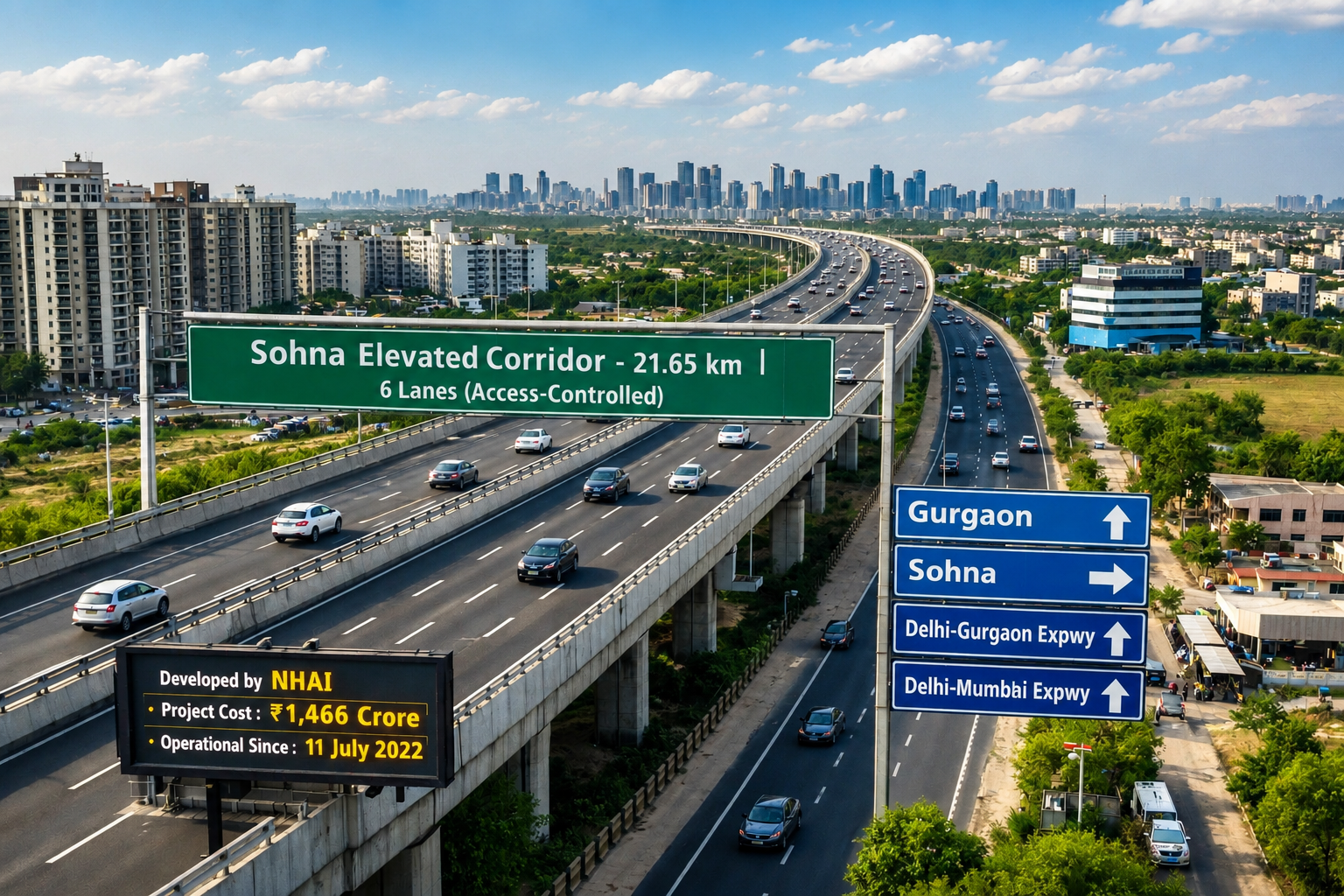
Is Sohna Really the Next Chhatarpur?
Three decades after Chhatarpur redrew South Delhi's map for space, privacy and exclusivity, a familiar pattern is now taking shape further south, and Sohna is where the smart money is beginning to look.
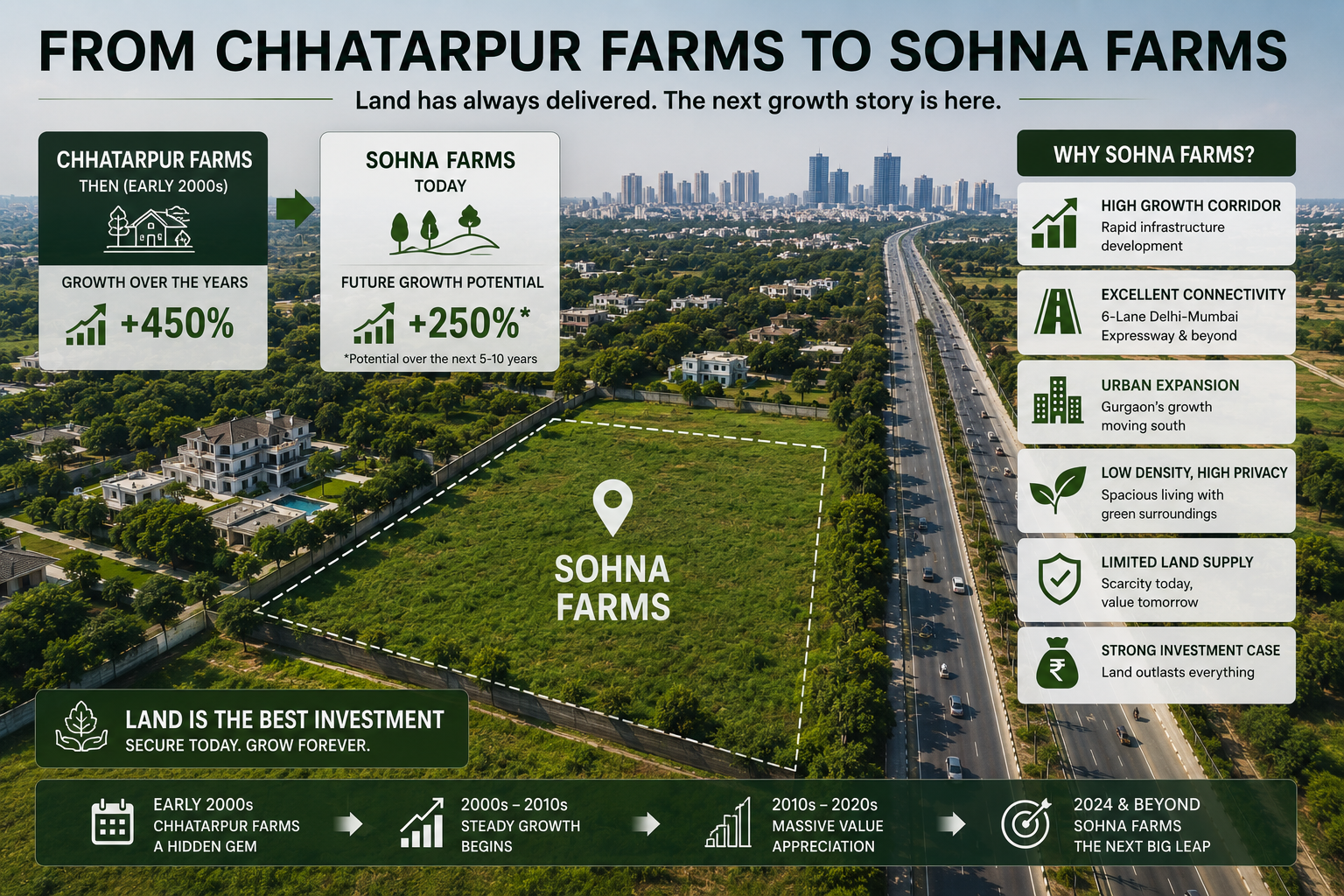
How Chhatarpur Farmhouses Created Multi-Crore Wealth for Early Buyers
What a quiet corner of South Delhi can teach investors about land, scarcity, and long-term wealth creation.

The ₹5 Crore Land Purchase That Became Worth ₹70 Crore
What the Story of DLF Chhatarpur Farms Reveals About Wealth Creation Through Premium Land Ownership
One short email. Stories you can use.
A free, occasional email from our editorial team with our latest features, explainers and reads. Unsubscribe any time — your email stays with us.