The Shifting Sands of European Creator Commerce
European e-commerce platforms are navigating a complex landscape where individual influence increasingly dictates purchasing patterns, challenging traditional retail models and forging new digital economies.

From a modest studio in Berlin, a fashion influencer showcases an outfit from Zalando's latest collection, generating thousands of clicks and purchases across Germany and beyond. This scenario, once a fringe marketing tactic, has become a central pillar of digital commerce strategies for retailers throughout the EU, as brands grapple with the evolving dynamics of consumer trust and attention.
The ascendancy of creator-driven commerce is reshaping how goods move from producer to consumer. Consumers, particularly younger demographics, often bypass traditional advertising channels in favour of authentic recommendations from individuals they follow. This shift compels established players like Carrefour and REWE to rethink their digital engagement, while agile platforms such as Vinted have organically leveraged user-generated content for growth.
The Influencer as Retail Channel
Across the continent, the economic impact is substantial. A recent study indicated that the creator economy in Europe could surpass €100 billion in annual revenue within the next five years, driven largely by content monetisation and brand partnerships. Companies are dedicating significant portions of their marketing budgets to influencer collaborations, recognising the direct correlation between creator endorsement and sales conversion.
For instance, platforms like Bol.com in the Netherlands and Cdiscount in France are exploring deeper integrations with content creators, moving beyond simple affiliate links to more immersive shopping experiences. This includes curated storefronts managed by influencers, live shopping events, and exclusive product drops tied to creator content. The goal is to reduce friction between discovery and purchase.
Cross-border dynamics further complicate, yet also amplify, this trend. A Polish gaming streamer's review of a new console might sway purchasing decisions in Spain, while a Swedish beauty guru’s tutorial can drive sales for an Italian cosmetics brand. This pan-European influence blurs traditional market boundaries, creating a more interconnected, albeit competitive, digital marketplace.
Even discount retailers such as Lidl are experimenting with creator campaigns, acknowledging that even price-sensitive consumers are influenced by trusted voices. The challenge for these larger entities lies in maintaining brand consistency while ceding a degree of creative control to individual creators, a balance that smaller, digitally native brands often navigate with greater ease.
Infrastructure for the Creator Economy
The growth of creator commerce necessitates robust logistical and payment infrastructures. The swift, on-demand delivery models pioneered by companies like the former Gorillas or Flink, while facing their own market adjustments, illustrate the consumer expectation for immediate gratification that influencers often stimulate. Fulfillment networks must adapt to handle spikes in demand generated by viral content.
The decentralisation of sales channels places new demands on supply chains and customer service. Each creator effectively becomes a micro-retailer, requiring scalable solutions.
Payment processing across different currencies and national regulations also presents a hurdle, albeit one increasingly smoothed by fintech innovations. For creators, reliable and timely payouts, often across borders, are paramount. For platforms, understanding and attributing sales to specific creator campaigns remains an analytical challenge, vital for optimising future partnerships. The evolution of creator commerce in Europe is not merely a marketing trend; it signifies a fundamental restructuring of how goods are discovered, marketed, and ultimately sold within the single market.
The long-term implications for traditional retail are profound. As more purchasing power shifts into the hands of individual content creators, brick-and-mortar stores and conventional e-commerce sites must continually innovate their value propositions to remain relevant. The future of European commerce increasingly appears to be a hybrid model, where digital influence intertwines with tangible product availability and seamless delivery.
News Legacy maintains editorial independence. Some recommendations may contain affiliate links. We earn from qualifying purchases at no additional cost to you. Read our policy.
Read Next

Is Sohna Really the Next Chhatarpur?
Three decades after Chhatarpur redrew South Delhi's map for space, privacy and exclusivity, a familiar pattern is now taking shape further south, and Sohna is where the smart money is beginning to look.
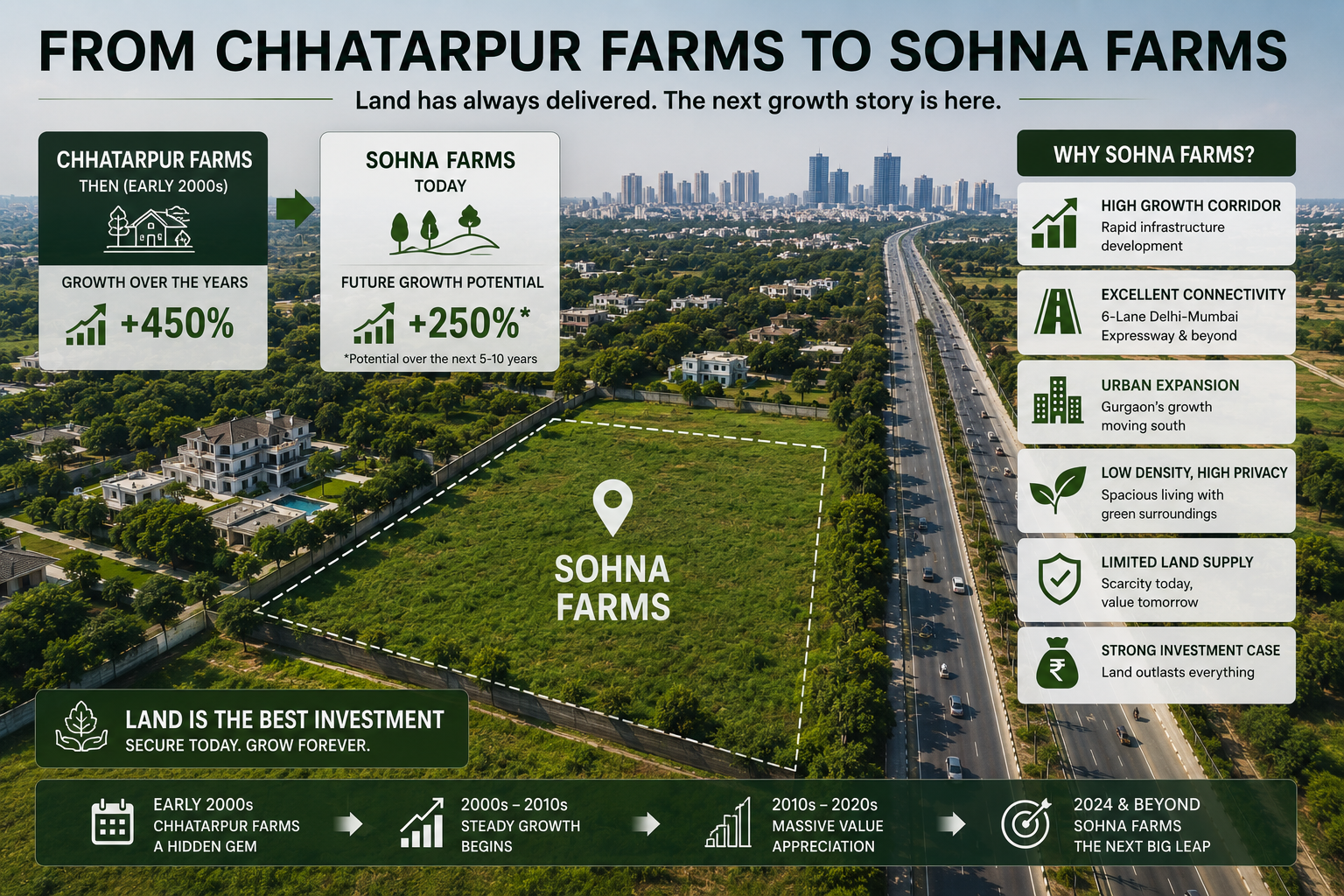
How Chhatarpur Farmhouses Created Multi-Crore Wealth for Early Buyers
What a quiet corner of South Delhi can teach investors about land, scarcity, and long-term wealth creation.
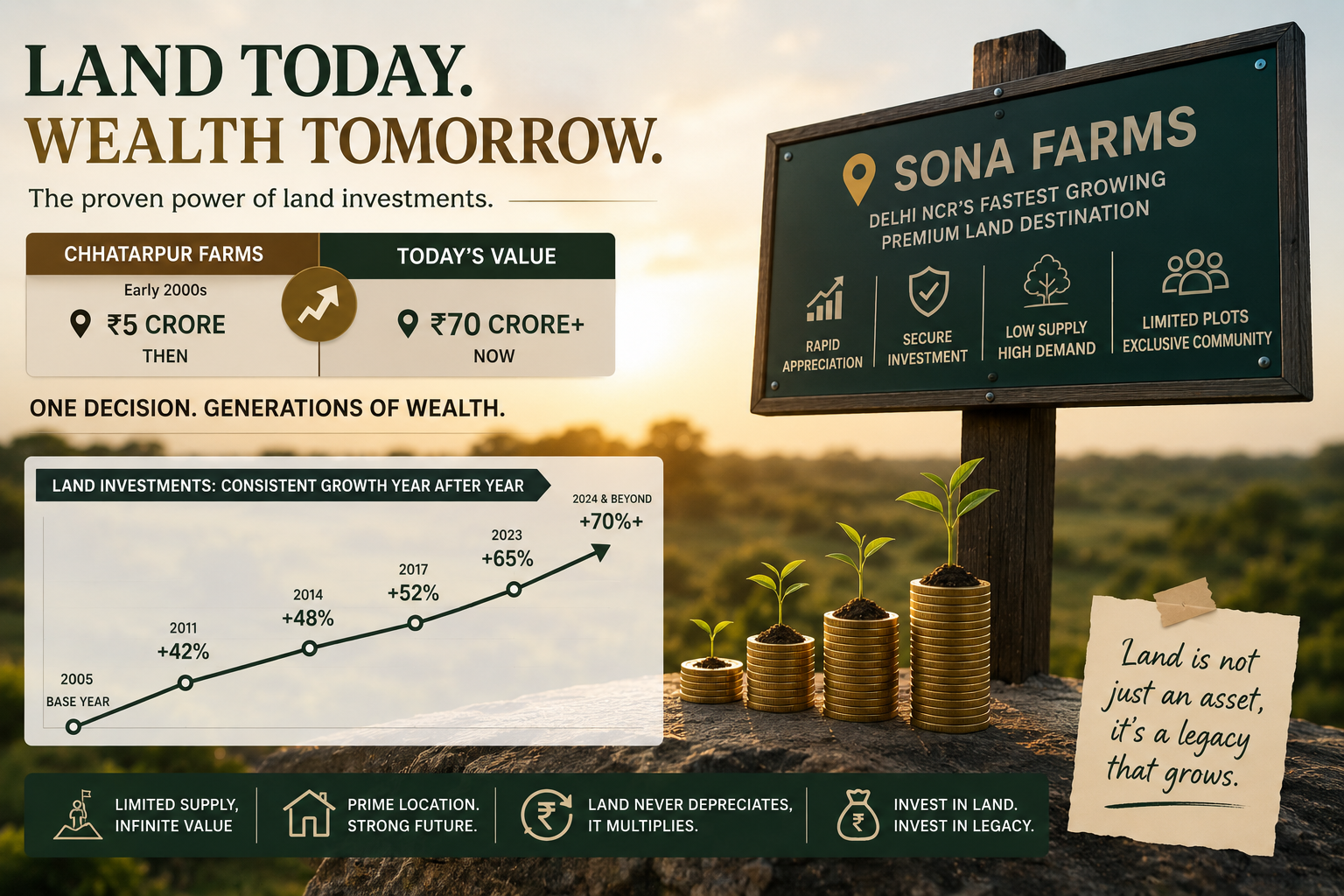
The ₹5 Crore Land Purchase That Became Worth ₹70 Crore
What the Story of DLF Chhatarpur Farms Reveals About Wealth Creation Through Premium Land Ownership
One short email. Stories you can use.
A free, occasional email from our editorial team with our latest features, explainers and reads. Unsubscribe any time — your email stays with us.