The Shifting Sands of European Creator Commerce: From Influence to Infrastructure
European retailers and digital platforms are navigating a complex evolution in how creators monetise their audiences, moving beyond simple affiliate links to integrated retail models and direct commerce infrastructure.

When a popular Polish gaming streamer recently directed their audience to purchase merchandise through Allegro, the integration was seamless, facilitating millions of zlotys in transactions. This episode illustrates a broader trend across Europe, where the intersection of content creation and e-commerce is maturing rapidly, posing both opportunities and challenges for established retail giants and agile startups alike.
The initial wave of creator commerce in Europe largely mirrored its American counterpart, characterised by affiliate marketing and brand sponsorships. Influencers, from micro-creators on Instagram showcasing beauty products to YouTube personalities reviewing tech gadgets, earned commissions on sales driven by unique links or discount codes. This model, while effective for many, often lacked deeper integration and control for the creators themselves.
The Platform Play: From Referral to Retail
Today, the landscape is shifting towards more embedded retail solutions. Companies like Zalando are experimenting with direct storefront integrations for fashion influencers, allowing creators to curate and sell collections directly within the platform's ecosystem. This move transforms an influencer from a mere marketing channel into a co-retailer, sharing more directly in the value chain. Similarly, smaller, vertically-focused platforms are emerging, enabling artisans and niche content creators to build bespoke digital shopfronts with integrated payment and logistics.
Across the continent, from Spain to the Nordics, the appetite for authentic, creator-led product discovery is growing. Consumer data indicates that purchase intent is significantly higher when recommendations come from trusted content creators rather than traditional advertising. This phenomenon is particularly pronounced among younger demographics, who often view creators as more relatable and credible than corporate brands.
The transition from a promotional role to a transactional one requires a fundamental rethinking of creator-platform relationships, demanding robust backend support and equitable revenue sharing models.
Major European retail groups are also engaging. Carrefour and REWE, for instance, have explored partnerships with food bloggers and culinary content creators to promote specific product lines, sometimes even co-developing exclusive ranges. While these initiatives often remain closer to traditional marketing, they signify a recognition of the creator's power to influence purchasing decisions at scale.
The logistical hurdles for direct creator-to-consumer sales remain substantial. Managing inventory, shipping across borders – particularly within the fragmented regulatory environment of the EU – and handling customer service can overwhelm individual creators. This is where companies with established infrastructure, such as Vinted's peer-to-peer shipping network or the now-defunct Gorillas' last-mile delivery capabilities, offer potential models for enabling creators without forcing them into logistical entrepreneurship. Bol.com in the Netherlands and Cdiscount in France are also well-positioned, with their extensive third-party seller programmes, to onboard creators seeking direct retail channels.
Infrastructural Investments and the Road Ahead
The next phase of European creator commerce will likely involve significant infrastructural investments. This includes advanced analytics to help creators understand their audience's purchasing habits, streamlined cross-border payment systems in euros, and fulfilment solutions tailored for varied product types. The market for enabling technologies – from storefront builders to marketing automation tools – is poised for substantial expansion. As creators seek greater autonomy and better monetisation beyond advertising revenue, the platforms and retailers that can offer comprehensive, integrated solutions will capture a significant share of this evolving market.
The trend points towards a future where the line between content creation and retail sales becomes increasingly blurred. For European businesses, adapting to this shift means moving beyond viewing creators solely as a marketing expense and instead seeing them as integral, revenue-generating partners. The businesses that empower creators with robust tools and equitable partnerships will likely define the next decade of digital commerce on the continent.
News Legacy maintains editorial independence. Some recommendations may contain affiliate links. We earn from qualifying purchases at no additional cost to you. Read our policy.
Read Next

Is Sohna Really the Next Chhatarpur?
Three decades after Chhatarpur redrew South Delhi's map for space, privacy and exclusivity, a familiar pattern is now taking shape further south, and Sohna is where the smart money is beginning to look.
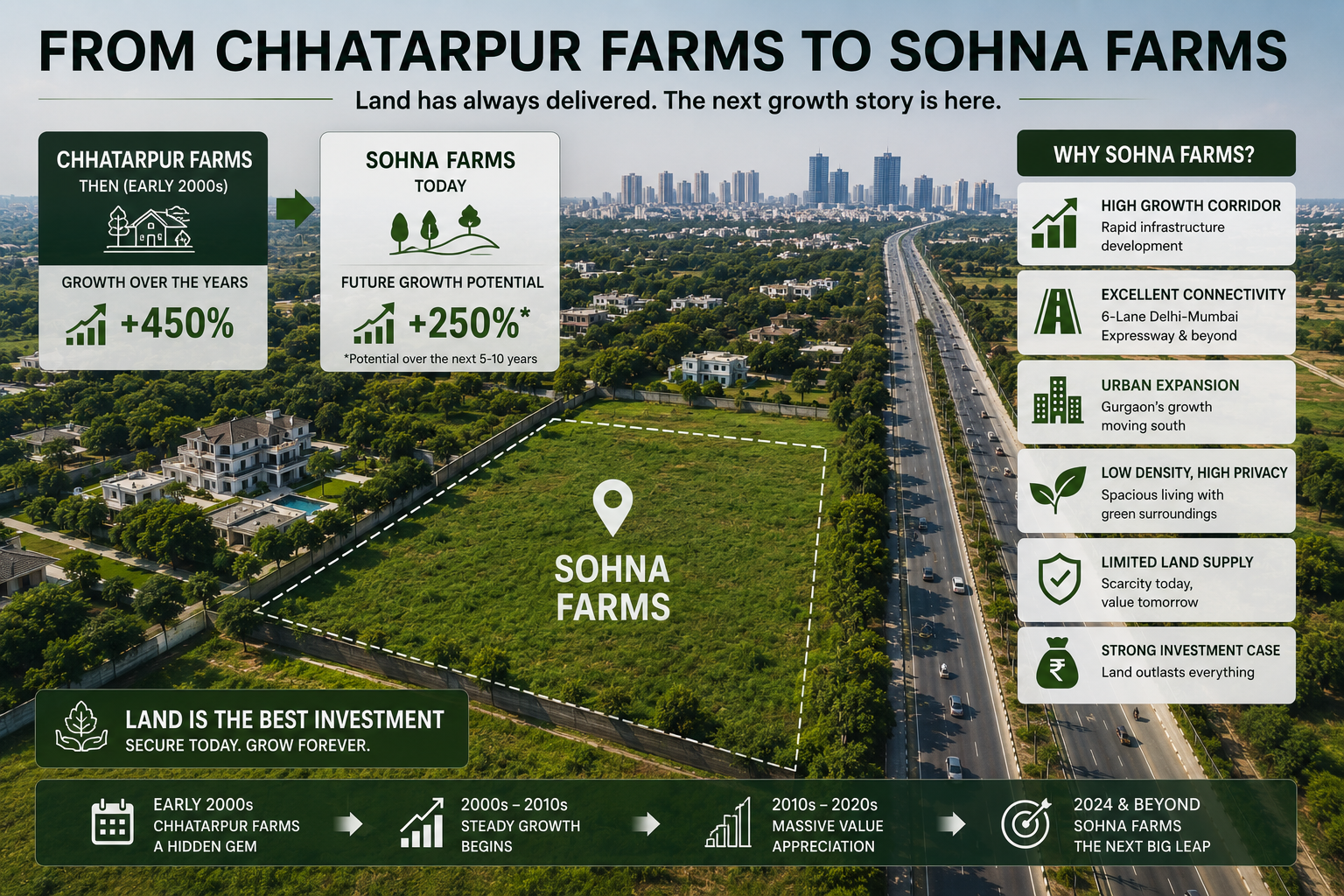
How Chhatarpur Farmhouses Created Multi-Crore Wealth for Early Buyers
What a quiet corner of South Delhi can teach investors about land, scarcity, and long-term wealth creation.
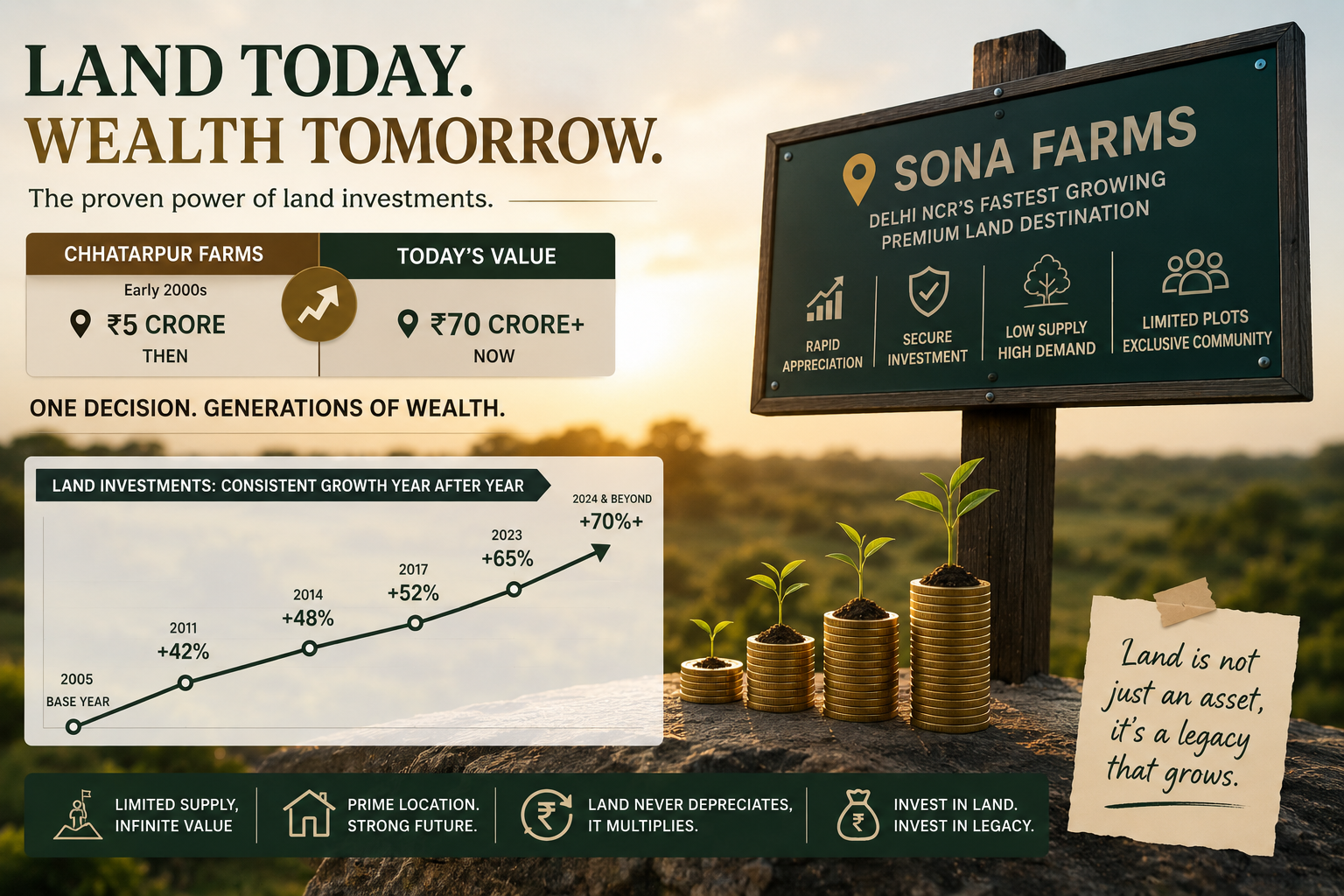
The ₹5 Crore Land Purchase That Became Worth ₹70 Crore
What the Story of DLF Chhatarpur Farms Reveals About Wealth Creation Through Premium Land Ownership
One short email. Stories you can use.
A free, occasional email from our editorial team with our latest features, explainers and reads. Unsubscribe any time — your email stays with us.