The Shifting Sands of European E-commerce: Consolidation Amidst Continued Growth
Across the European continent, digital retail platforms are navigating a complex landscape of mature markets, emerging competitive pressures, and evolving consumer expectations, necessitating strategic realignments and a persistent pursuit of operational efficiency.

From its sprawling logistics hubs in Erfurt to its digital storefronts across seventeen European markets, Zalando's recent strategic adjustments underscore a broader trend: even established e-commerce giants are recalibrating their growth trajectories. What was once a land rush for market share is now maturing into a more measured pursuit of profitability, even as online sales continue their upward climb across the continent.
The initial boom, fuelled by pandemic-induced shifts, has given way to a period of consolidation and intensified competition. While overall online spending in the Eurozone has maintained a robust trajectory, with double-digit growth projected for sectors like groceries and fashion in several key markets, the cost of customer acquisition and last-mile delivery remains a significant challenge for many players.
The Scramble for Efficiency and Niche Dominance
Companies are increasingly looking inward, optimising supply chains and leveraging data to refine product offerings. The cautionary tales of rapid grocery delivery services like Gorillas and Flink, which experienced substantial investment followed by significant retrenchment, serve as stark reminders that consumer convenience alone cannot sustain models without clear paths to profitability. Supermarket groups such as Carrefour, REWE, and Lidl are making their own digital inroads, leveraging existing physical infrastructure to offer click-and-collect or local delivery options, often at more sustainable unit economics.
The drive for scale in online retail is now inextricably linked to the mastery of logistics and an acute understanding of regional consumer preferences, moving beyond a simple digital replication of the high street.
Cross-border trade within the EU also presents a dichotomy. While platforms like Vinted thrive on facilitating peer-to-peer exchanges across national borders, enabling a sustainable fashion cycle from Paris to Warsaw, larger retailers face varying regulatory environments and consumer expectations. A German consumer's purchasing journey may differ significantly from that of a Spanish or Italian shopper, influencing everything from payment methods to return policies and delivery expectations.
Key regional players continue to hold sway, demonstrating the fragmented nature of the European market. Allegro maintains its dominant position in Poland, successfully fending off global competitors with a localised approach. Similarly, Bol.com remains a powerhouse in the Netherlands and Belgium, while Cdiscount contends for market share in France. These regional champions often possess a deeper understanding of local consumer behaviour and are adept at navigating country-specific logistical complexities.
Nordic markets, known for their high digital adoption rates and sophisticated logistics networks, offer a glimpse into future trends, with a strong emphasis on sustainability and seamless multi-channel experiences. The integration of online and offline retail is no longer a strategic option but a necessity, as consumers increasingly expect fluidity between physical stores and digital touchpoints.
Strategic Realignment and Future Outlook
The capital markets are also exerting pressure, favouring profitability over sheer growth at any cost. This has led to a noticeable shift from aggressive expansion to more focused investment in core competencies. Many e-commerce entities are divesting non-core assets or streamlining operations, seeking to consolidate market position rather than chasing speculative opportunities. The next phase of European e-commerce will likely be characterised by strategic alliances, targeted innovation, and a relentless pursuit of operational excellence, rather than the unchecked expansion observed in prior years.
While the digital transformation of retail is far from complete, the era of unbridled spending in pursuit of abstract growth appears to be winding down. The focus is now on crafting sustainable business models that can withstand economic fluctuations and intense competition, ensuring that the convenience of online shopping is matched by a robust and efficient operational backbone.
News Legacy maintains editorial independence. Some recommendations may contain affiliate links. We earn from qualifying purchases at no additional cost to you. Read our policy.
Read Next

Is Sohna Really the Next Chhatarpur?
Three decades after Chhatarpur redrew South Delhi's map for space, privacy and exclusivity, a familiar pattern is now taking shape further south, and Sohna is where the smart money is beginning to look.
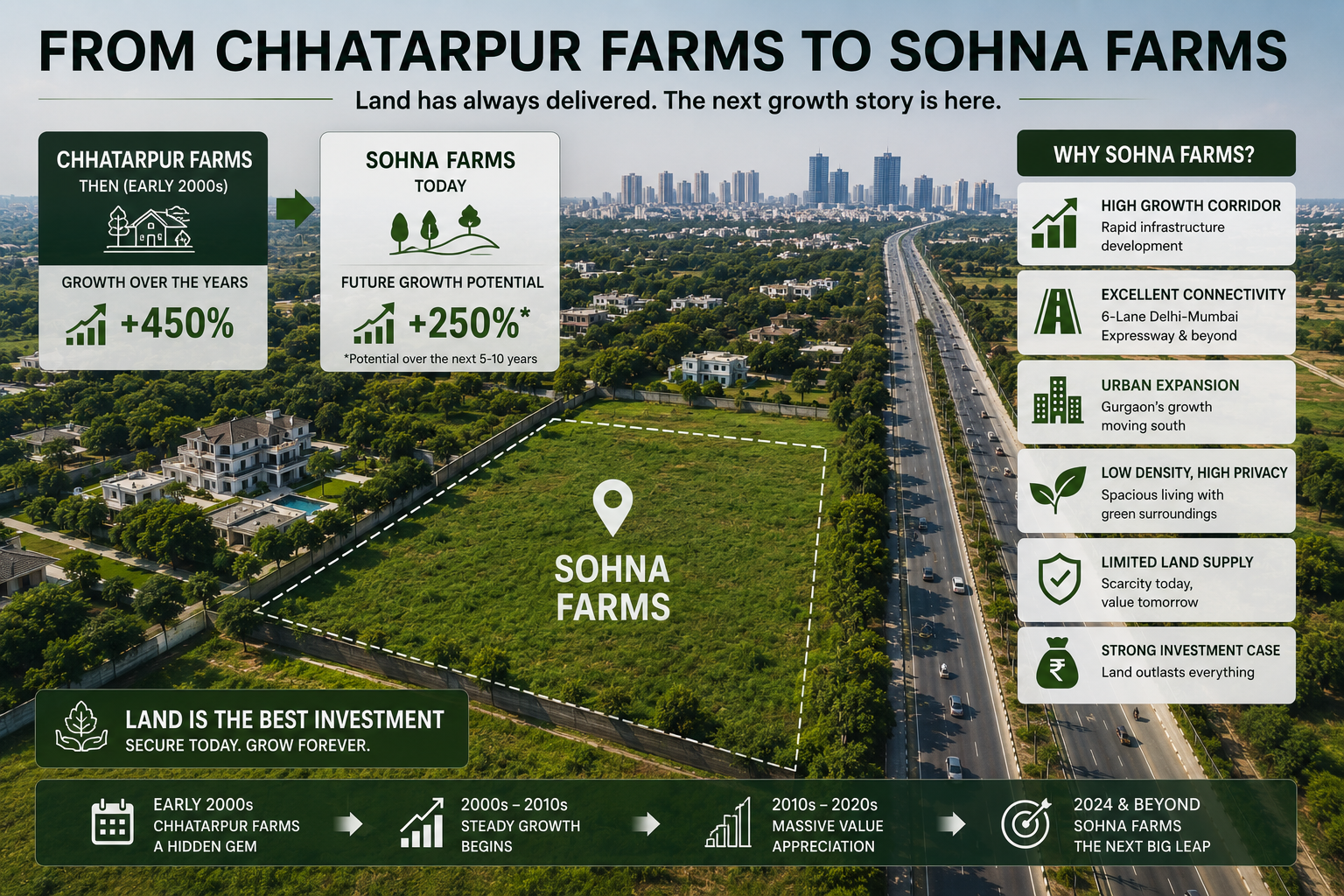
How Chhatarpur Farmhouses Created Multi-Crore Wealth for Early Buyers
What a quiet corner of South Delhi can teach investors about land, scarcity, and long-term wealth creation.
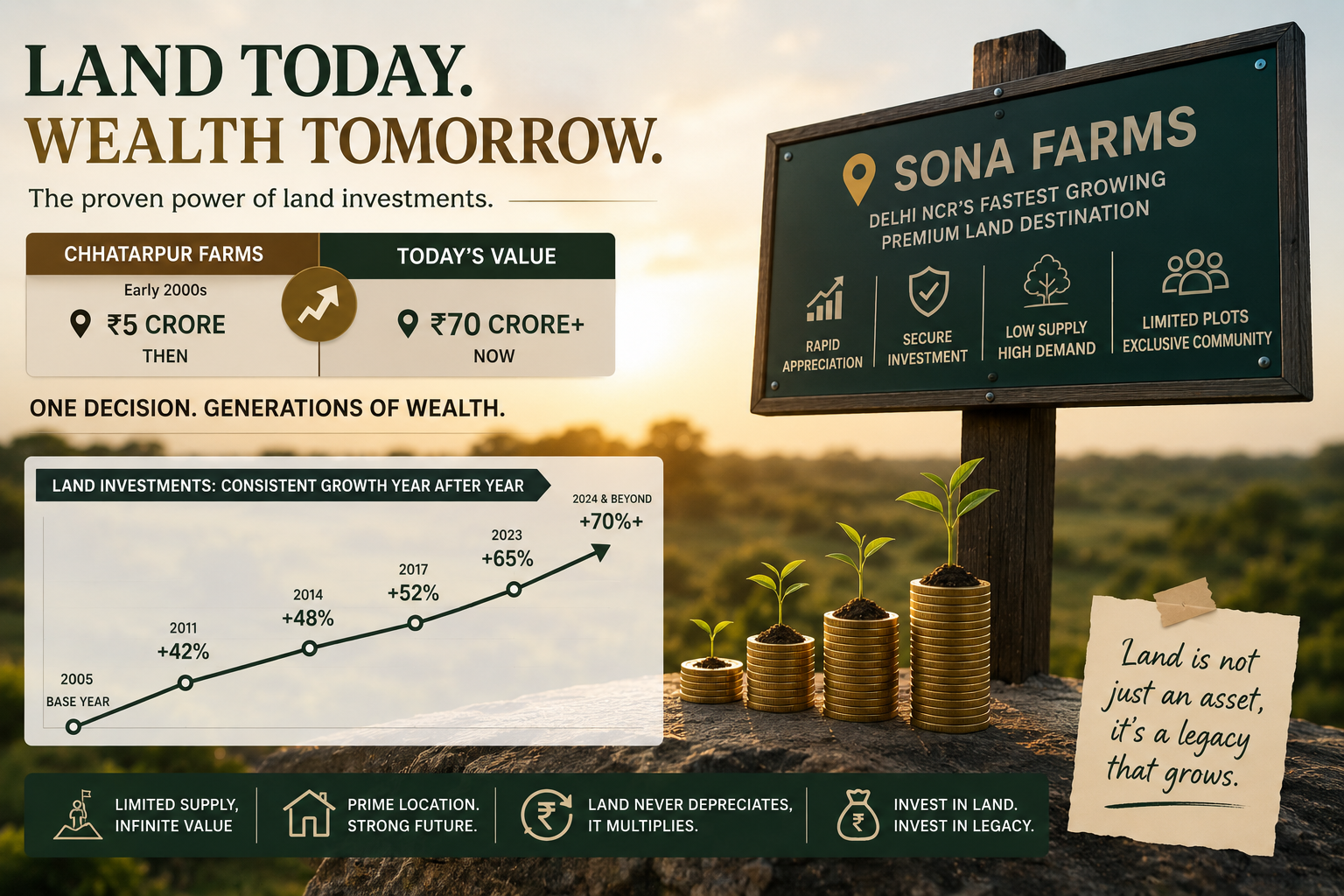
The ₹5 Crore Land Purchase That Became Worth ₹70 Crore
What the Story of DLF Chhatarpur Farms Reveals About Wealth Creation Through Premium Land Ownership
One short email. Stories you can use.
A free, occasional email from our editorial team with our latest features, explainers and reads. Unsubscribe any time — your email stays with us.