The Shifting Sands of European Retail: Creator Influence and Platform Integration
European e-commerce platforms are increasingly recognising and monetising the direct sales capabilities of individual creators and influencers, challenging traditional retail models and fostering new cross-border commercial pathways.

At the heart of Paris, a fashion influencer with a substantial following on TikTok showcases a limited-edition handbag, linking directly to a small designer's e-shop hosted on Shopify. This scenario, once a fringe activity, now represents a significant and growing vector for consumer spending across the European Union. Major European digital retailers are beginning to integrate these direct-to-consumer influencer strategies, recognising their potential to bypass traditional marketing funnels and connect directly with engaged audiences, thereby reshaping the competitive landscape from Warsaw to Madrid.
This phenomenon, broadly termed creator commerce, extends beyond luxury goods. In Germany, food bloggers collaborating with regional delis on platforms like Instagram are driving sales of artisanal products, often facilitating transactions directly through embedded links or custom storefronts. The cumulative effect of these individual efforts is starting to impact sales figures previously dominated by large online aggregators or brick-and-mortar chains, pushing platforms to adapt or risk obsolescence.
The Platform Play: From Aggregation to Facilitation
Traditional European e-commerce giants such as Zalando and Bol.com are exploring or already implementing features that allow creators to curate product selections and earn commission from sales. This represents a strategic pivot from merely aggregating products to actively facilitating direct engagement between content creators and their audiences, blurring the lines between media and retail. The goal is to capture a share of the €5 billion to €10 billion estimated value of the European creator economy, which is experiencing double-digit annual growth.
Cross-border opportunities are particularly salient. A lifestyle creator in Sweden, for instance, might promote furniture from a small design studio in Italy, with the transaction seamlessly executed via a platform that handles multi-currency payments and logistics. This fluidity challenges established logistics networks but also presents new avenues for smaller European businesses to reach a wider continental customer base without substantial upfront investment in international marketing.
The transition from broad catalogue listings to highly curated, influencer-driven recommendations reflects a deeper understanding of contemporary consumer behaviour, where authenticity and personal connection often outweigh brand legacy.
Companies like Vinted, which built its success on peer-to-peer resale in fashion, implicitly leverage a form of creator commerce, where individual sellers effectively act as curators and marketers of their own inventory. This model demonstrates the power of decentralised sales efforts, moving beyond a simple marketplace into a community-driven commercial ecosystem that generates hundreds of millions in annual revenue.
The legacy of quick-commerce players such as Gorillas and Flink, while facing their own market adjustments, illustrated the consumer demand for immediate gratification and direct-to-consumer channels. While their initial models focused on delivery speed, the underlying principle of direct digital engagement and rapid fulfilment resonates with the creator commerce trend, albeit with different product categories and consumer expectations.
Retailers with substantial physical footprints, such as Carrefour or Lidl, are also navigating this shift. While their primary model remains traditional, they are increasingly experimenting with digital content creators to promote specific product lines, particularly in categories like organic food or local produce. The challenge lies in integrating these agile digital campaigns with their extensive supply chains and store networks, maintaining brand consistency while embracing new promotional paradigms.
The regulatory landscape also plays a role. The Digital Services Act and Digital Markets Act, for example, influence how platforms manage content and commercial relationships with creators, particularly concerning transparency and fairness. Compliance necessitates careful architectural design for any platform seeking to integrate creator-led sales effectively across the diverse legal frameworks of the EU member states.
Ultimately, the evolution of creator commerce signals a more fragmented yet highly personalised future for European retail. Success will increasingly depend on platforms' ability to empower individual content creators as effective sales channels, foster trust, and efficiently manage the cross-border flow of goods and capital, transforming how European consumers discover and purchase products.
News Legacy maintains editorial independence. Some recommendations may contain affiliate links. We earn from qualifying purchases at no additional cost to you. Read our policy.
Read Next

Is Sohna Really the Next Chhatarpur?
Three decades after Chhatarpur redrew South Delhi's map for space, privacy and exclusivity, a familiar pattern is now taking shape further south, and Sohna is where the smart money is beginning to look.
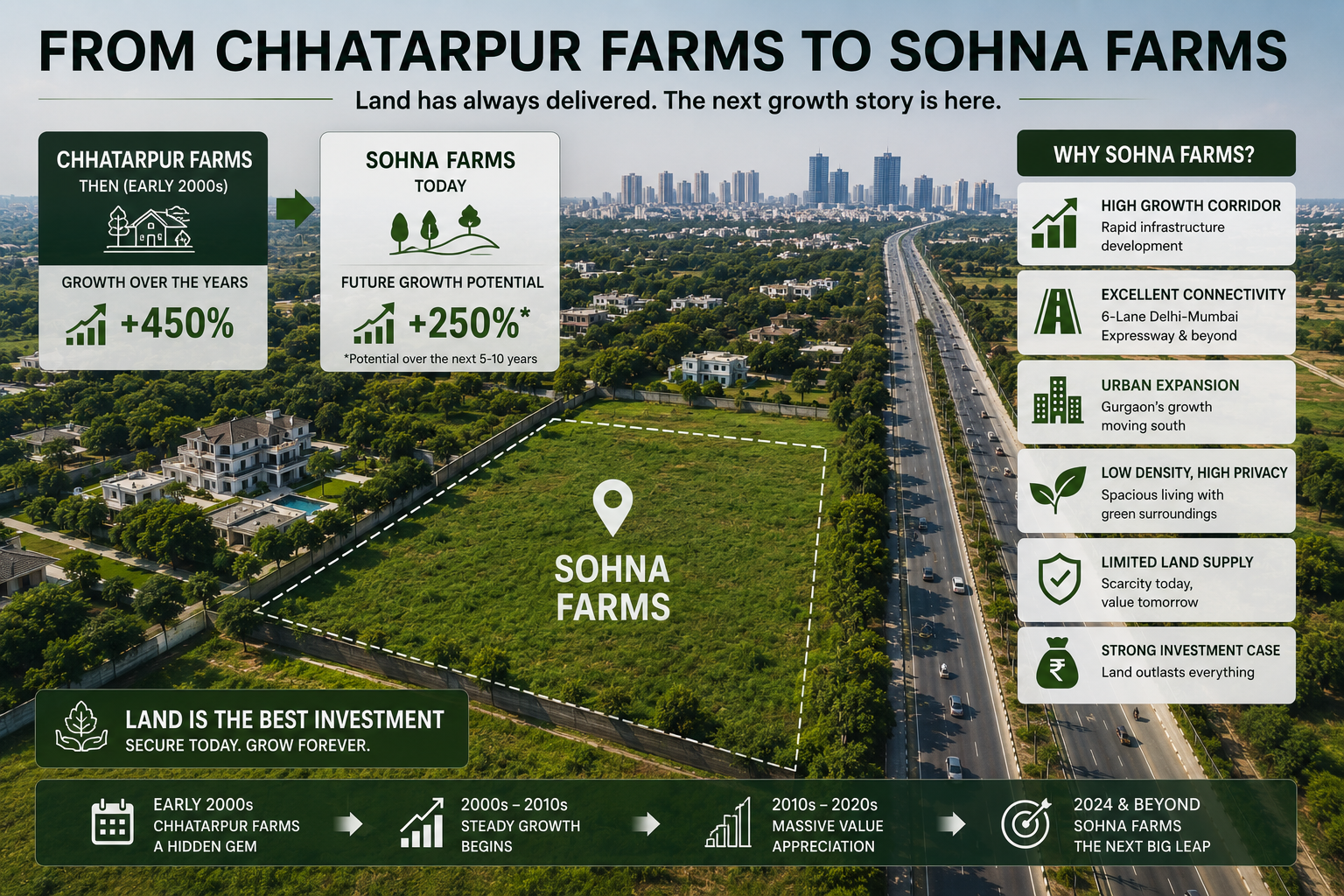
How Chhatarpur Farmhouses Created Multi-Crore Wealth for Early Buyers
What a quiet corner of South Delhi can teach investors about land, scarcity, and long-term wealth creation.
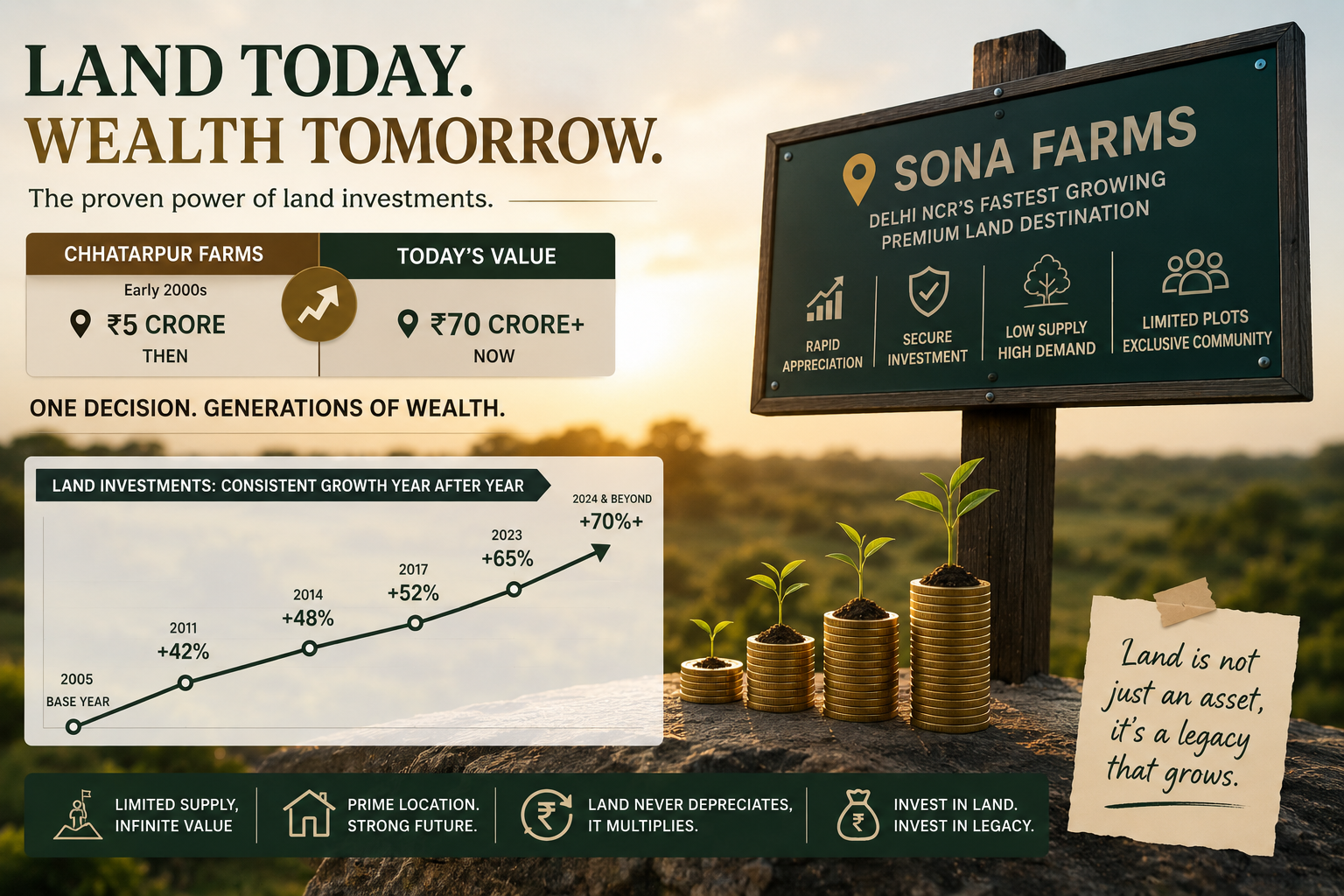
The ₹5 Crore Land Purchase That Became Worth ₹70 Crore
What the Story of DLF Chhatarpur Farms Reveals About Wealth Creation Through Premium Land Ownership
One short email. Stories you can use.
A free, occasional email from our editorial team with our latest features, explainers and reads. Unsubscribe any time — your email stays with us.