The Shifting Sands of UK Online Grocery: Ocado's Persistent Puzzle
Despite advanced automation and early market entry, Ocado has yet to translate technological leadership into consistent profitability in the fiercely competitive UK grocery sector. Its trajectory offers insights into the wider challenges facing digitally native retail models.

At Ocado's Customer Fulfilment Centre in Erith, a choreographed ballet of robots scurries across a vast grid, picking and packing groceries with a precision and speed unmatched by traditional supermarket operations. This sophisticated infrastructure, a cornerstone of Ocado's ambitious vision for automated retail, represents a significant investment in a future where efficiency theoretically reigns supreme. Yet, for all its technological prowess, Ocado's journey in the UK market, particularly its joint venture with Marks & Spencer, continues to present a complex financial picture, prompting questions about the scalability and inherent costs of such advanced systems in a price-sensitive consumer environment.
The UK's online grocery landscape, fragmented and intensely contested, provides a challenging backdrop. Traditional players like Tesco and Sainsbury's have rapidly scaled their own click-and-collect and home delivery operations, often leveraging existing store networks to fulfil orders. This hybrid model, less capital-intensive in its initial rollout, has proven remarkably resilient, capturing a substantial share of the digital grocery spend. Deliveroo and Just Eat, primarily known for restaurant takeaways, have also expanded into rapid grocery delivery, adding another layer of competition, particularly in urban centres.
The Automation Paradox
Ocado's strategy hinges on the belief that superior automation will eventually yield superior margins. The company's proprietary 'hive' technology and robotic pickers promise lower labour costs, reduced waste, and higher throughput. However, the upfront capital expenditure required for these fulfilment centres is substantial, and achieving the necessary order density to amortise these costs effectively has proven difficult. Reports indicate that the Erith centre alone cost hundreds of millions of pounds to construct, and the path to consistent profitability remains somewhat elusive for the UK retail arm.
Consumers, meanwhile, often prioritise convenience and value. While Ocado offers a broad range of products and delivery slots, its pricing structure, particularly post-M&S partnership, has not always undercut competitors. The perceived premium for online convenience, once a clear differentiator, has diminished as more grocers offer competitive delivery options, some with minimal or no fees for subscription holders or larger baskets. This places pressure on Ocado to demonstrate tangible cost benefits that can be passed on to the consumer, or absorbed to improve its own bottom line.
The partnership with Marks & Spencer, while providing a stronger product offering, introduced its own set of complexities. Integrating two distinct retail operations and supply chains is a significant undertaking. While M&S products have undoubtedly enhanced Ocado's appeal to a certain demographic, the venture's financial performance has been scrutinised, with market analysts frequently highlighting the significant marketing spend and operational hurdles involved in driving sustained growth and profitability within the joint entity.
The promise of automation in retail has always been about transforming the cost base, but the reality is that the investment horizon is long, and the competitive forces in UK grocery are relentless.
A Broader Retail Shift
Ocado's challenges are not unique to online groceries; they reflect broader shifts in the retail sector. High street stalwarts like ASOS and Next face their own digital dilemmas, balancing online growth with physical presence and managing complex logistics. The capital required to build and maintain advanced e-commerce infrastructure, whether for fashion or food, is significant. The 'asset-light' model often touted in early e-commerce days has given way to an understanding that sophisticated digital retail requires substantial investment in technology, warehousing, and last-mile delivery capabilities.
Ultimately, Ocado's narrative in the UK serves as a crucial case study. It demonstrates that technological leadership, while valuable, does not automatically guarantee market dominance or financial success in a sector as entrenched and competitive as grocery retail. The ongoing quest for profitability, amidst rising operational costs and intense price competition from both traditional supermarkets and newer rapid delivery entrants, highlights the intricate balance required to thrive in the modern digital economy.
News Legacy maintains editorial independence. Some recommendations may contain affiliate links. We earn from qualifying purchases at no additional cost to you. Read our policy.
Read Next
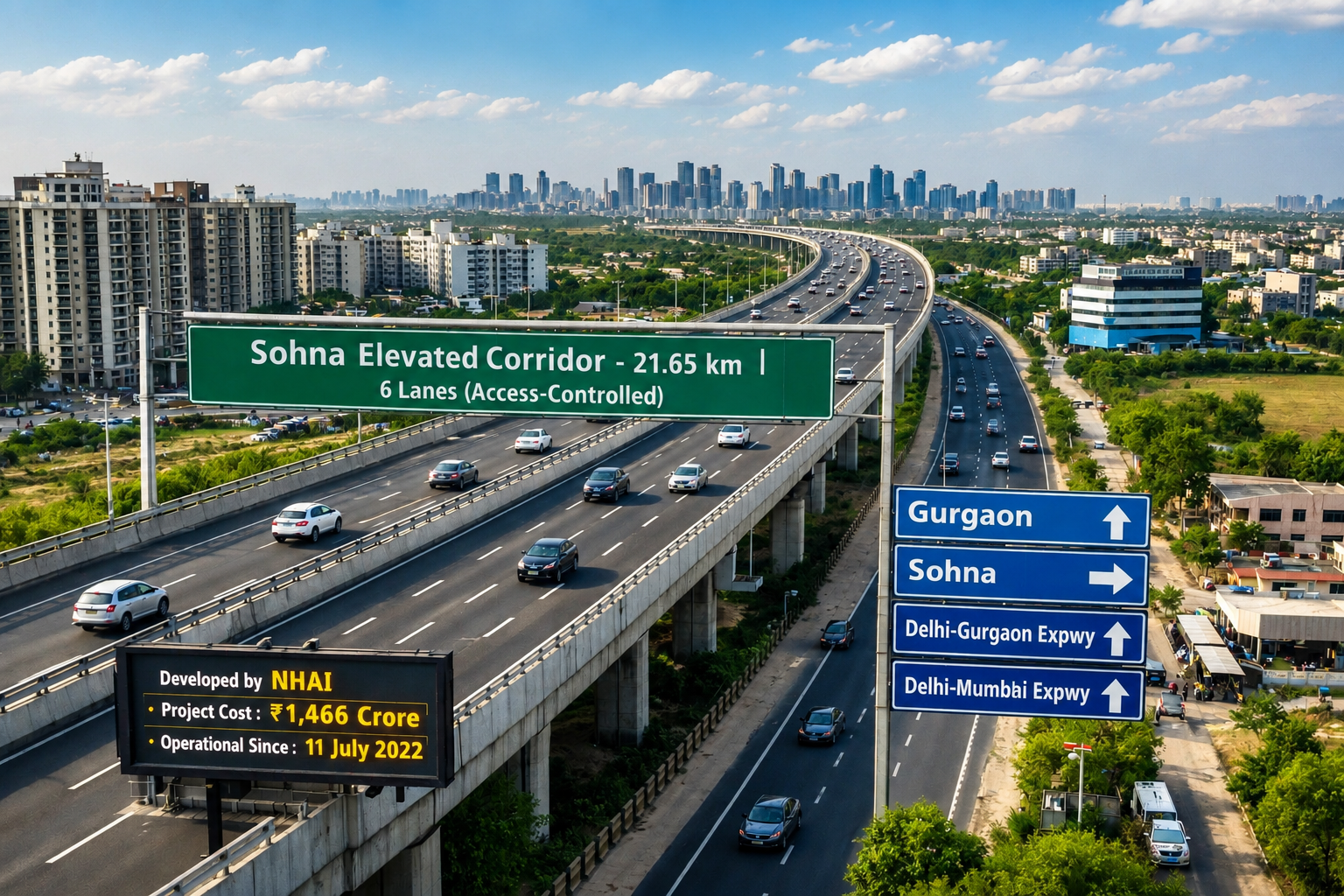
Is Sohna Really the Next Chhatarpur?
Three decades after Chhatarpur redrew South Delhi's map for space, privacy and exclusivity, a familiar pattern is now taking shape further south, and Sohna is where the smart money is beginning to look.
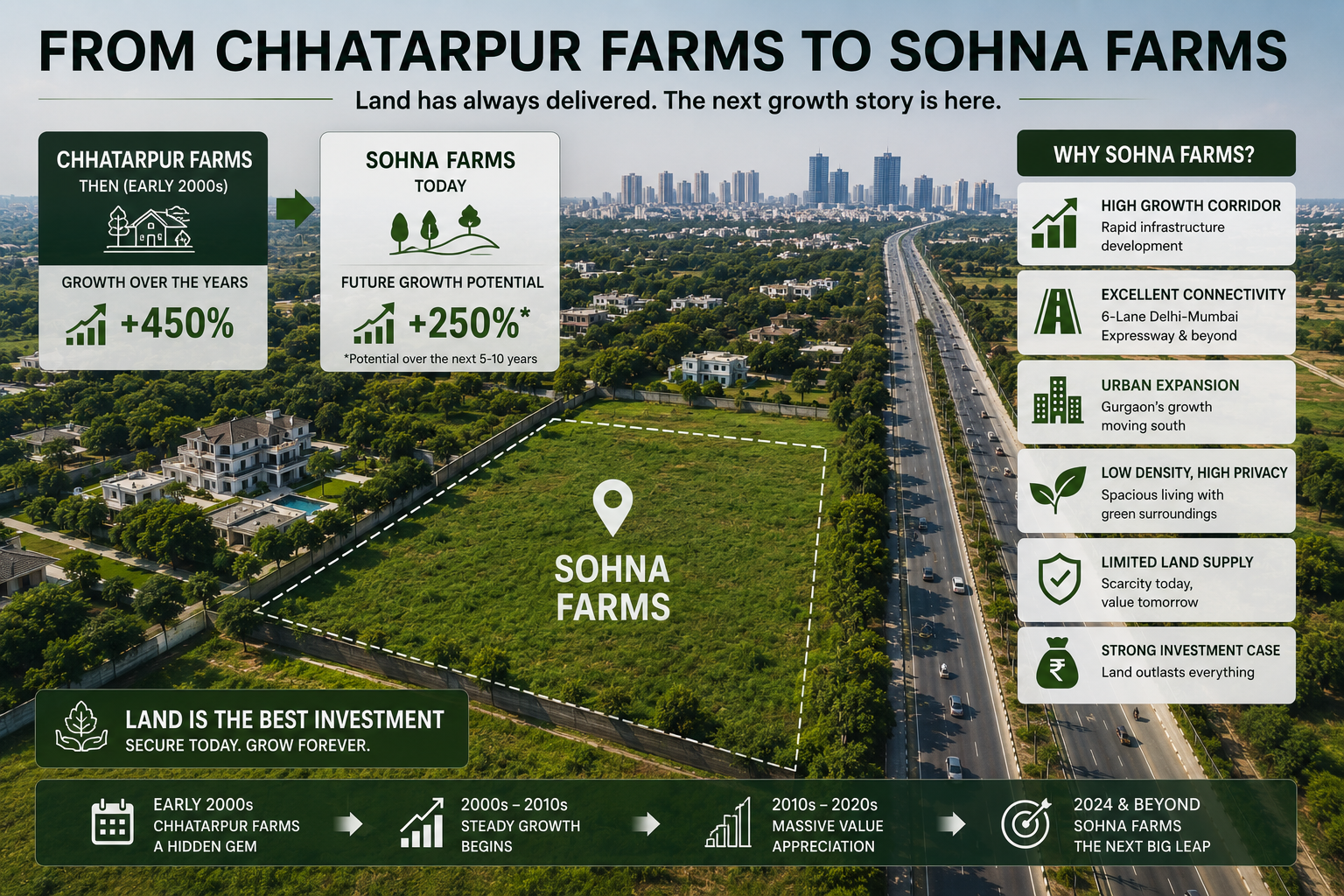
How Chhatarpur Farmhouses Created Multi-Crore Wealth for Early Buyers
What a quiet corner of South Delhi can teach investors about land, scarcity, and long-term wealth creation.
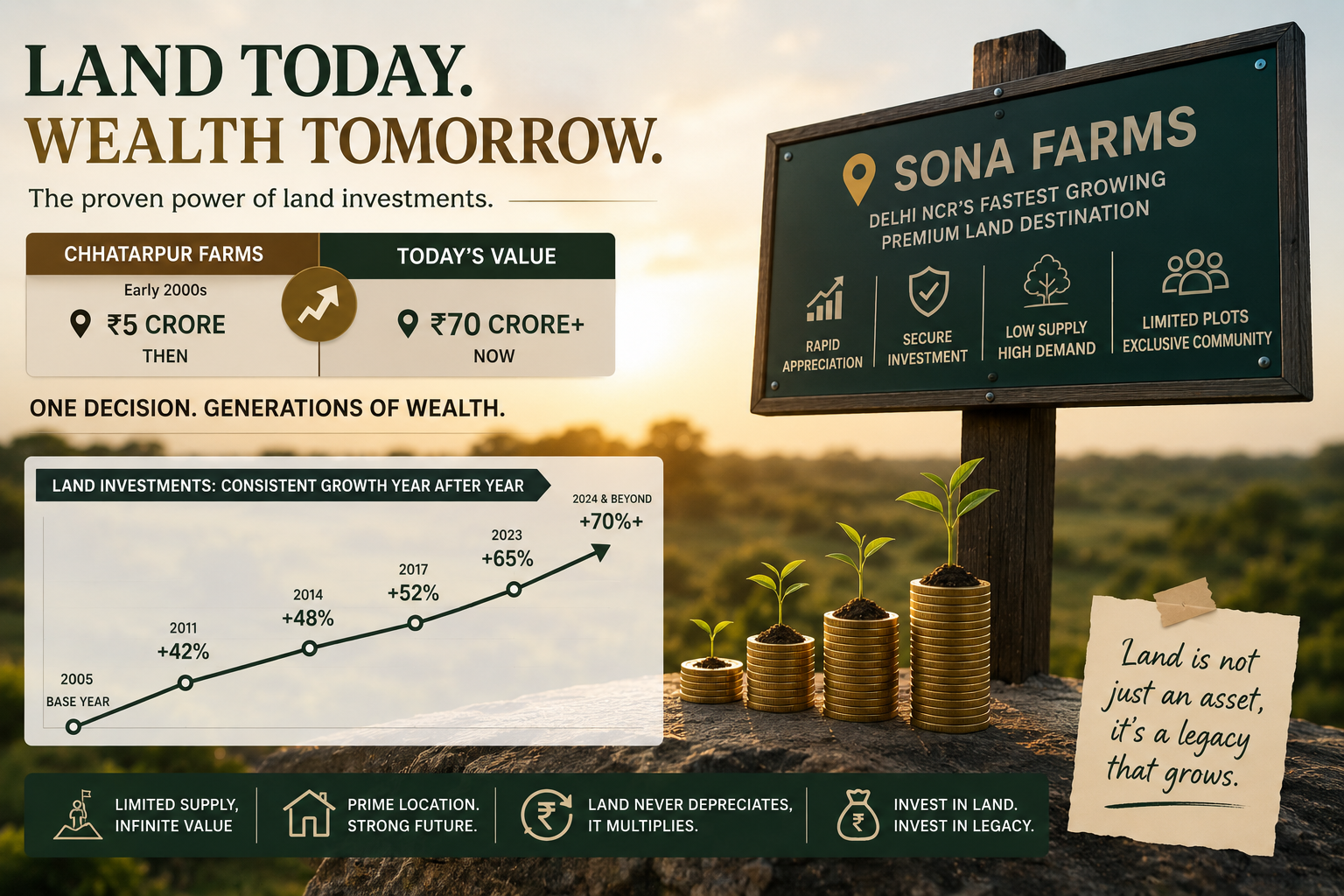
The ₹5 Crore Land Purchase That Became Worth ₹70 Crore
What the Story of DLF Chhatarpur Farms Reveals About Wealth Creation Through Premium Land Ownership
One short email. Stories you can use.
A free, occasional email from our editorial team with our latest features, explainers and reads. Unsubscribe any time — your email stays with us.