The Shrinking Saturday Shop: How British Consumers are Redefining Convenience
Traditional weekly grocery runs are giving way to fragmented purchasing patterns, driven by technology and shifting economic pressures. This evolution poses both challenges and opportunities for UK retailers navigating a dynamic consumer landscape.

A recent Saturday morning at a large Tesco Extra in Surrey revealed fewer overflowing trolleys than one might have observed even five years prior. Shoppers appeared more purposeful, selecting specific items rather than conducting a comprehensive weekly stock-up. This anecdotal observation reflects a broader, quantifiable shift in British consumer behaviour: the decline of the monolithic 'big shop' in favour of more frequent, smaller, and often hybrid purchasing journeys combining digital and physical touchpoints.
The implications for UK retailers, from the grocery giants to fashion purveyors like ASOS and Next, are substantial. Operating models designed for predictable, large-basket transactions are being re-evaluated as consumers increasingly opt for convenience, immediacy, and value across a fragmented purchasing cycle. Data from major supermarkets indicates a consistent trend of smaller average basket sizes but a higher frequency of visits, alongside a robust expansion in online grocery orders.
The Blended Basket: Digital and Physical Converge
The distinction between online and offline shopping continues to blur. While Ocado and the online arms of Sainsbury's and Morrisons see sustained demand, a significant proportion of digital orders are for 'top-up' items or for specific product categories. Conversely, physical stores are being reconfigured not just as transaction hubs, but as showrooms, click-and-collect points, and even social spaces. Marks & Spencer's hybrid food halls, often co-located with their clothing sections, exemplify this adaptive strategy, catering to both daily essentials and occasional indulgences.
This omnichannel approach is not merely desirable; it has become a prerequisite for relevance. Consumers expect seamless transitions, whether they are browsing a new season's collection on the ASOS app before visiting a high-street store for sizing, or using a Deliveroo or Just Eat service for spontaneous grocery needs from local Co-op or Sainsbury's Local branches. The competitive edge now belongs to those who can integrate these touchpoints most effectively, reducing friction at every stage of the customer journey.
Retailers must recognise that the 'convenience economy' is less about speed alone and more about aligning with the unpredictable rhythms of modern life.
Economic pressures, including persistent inflation, have also played a role in this transformation. Households are often more budget-conscious, leading to more frequent, smaller purchases to manage cash flow and reduce waste. The era of impulse bulk-buying appears to be receding, replaced by a more precise, need-driven approach to consumption. This recalibration affects everything from product packaging to promotional strategies.
Operational Evolution: Redefining the Retail Footprint
For retailers, adapting to these shifts requires significant operational dexterity. Large, out-of-town superstores, once the bedrock of the 'big shop' model, are being complemented by smaller urban formats. Logistics networks become more complex, necessitating sophisticated inventory management systems to handle rapid turnover and varied order fulfilments, from scheduled home deliveries to instantaneous app-based pickups. Staffing models also evolve, prioritising flexibility and cross-skilling to support diverse roles across the retail ecosystem.
The challenge lies in optimising profitability in a landscape dominated by smaller transactions. While average basket values may decline, the potential for increased engagement and loyalty through superior service remains. Investment in data analytics to understand these granular purchasing patterns becomes critical, allowing for personalised offers and inventory optimisation that can mitigate thinner margins. Retailers that can master this intricate dance between convenience, value, and seamless experience will secure their position in the evolving British retail narrative.
The aggregate picture suggests a sustained trend: the British consumer is not abandoning retail, but rather disaggregating it. This fragmentation requires a strategic response that prioritises adaptability over adherence to outdated purchasing paradigms, demanding continuous innovation from the sector's stalwarts and disruptors alike.
News Legacy maintains editorial independence. Some recommendations may contain affiliate links. We earn from qualifying purchases at no additional cost to you. Read our policy.
Read Next

Is Sohna Really the Next Chhatarpur?
Three decades after Chhatarpur redrew South Delhi's map for space, privacy and exclusivity, a familiar pattern is now taking shape further south, and Sohna is where the smart money is beginning to look.
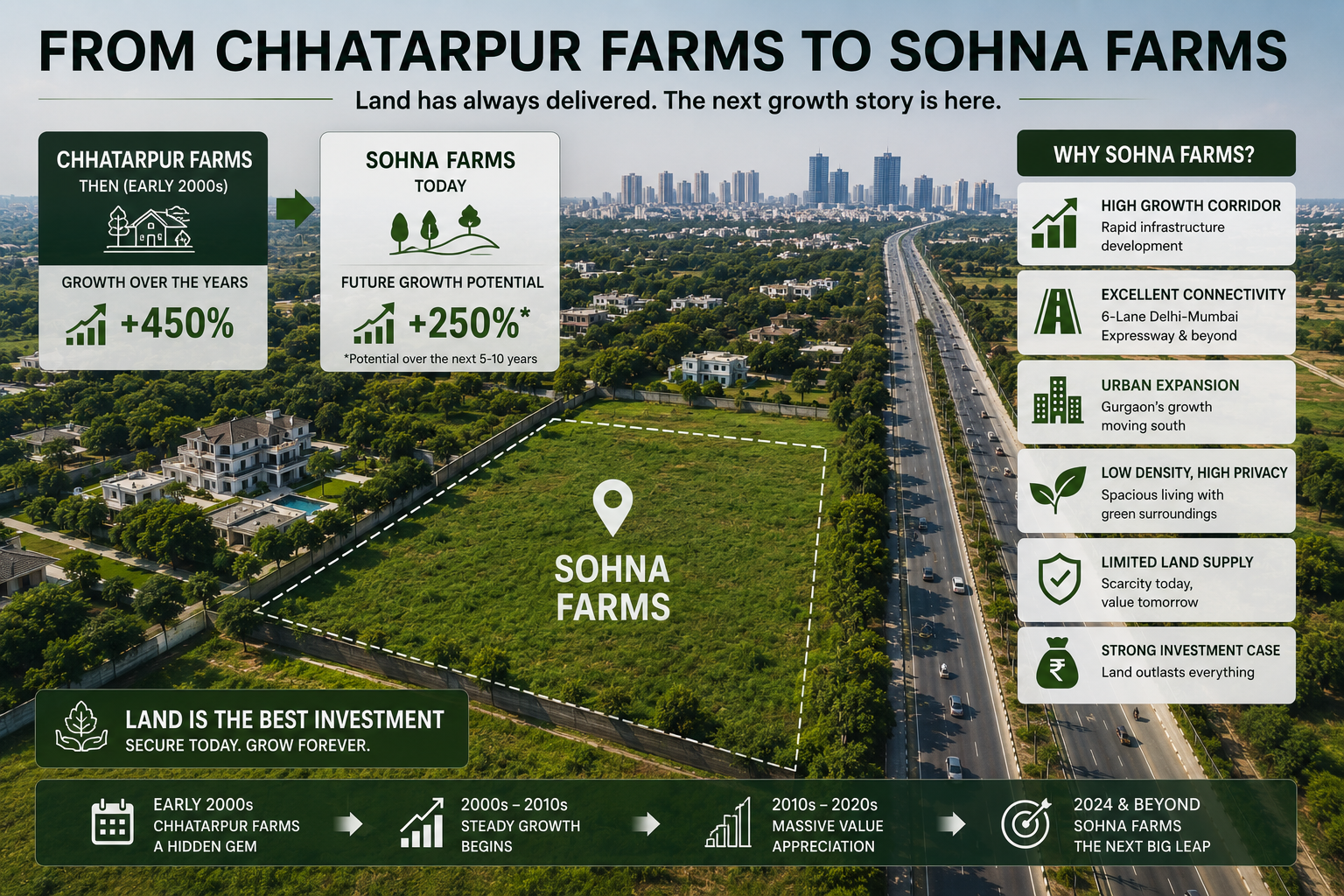
How Chhatarpur Farmhouses Created Multi-Crore Wealth for Early Buyers
What a quiet corner of South Delhi can teach investors about land, scarcity, and long-term wealth creation.

The ₹5 Crore Land Purchase That Became Worth ₹70 Crore
What the Story of DLF Chhatarpur Farms Reveals About Wealth Creation Through Premium Land Ownership
One short email. Stories you can use.
A free, occasional email from our editorial team with our latest features, explainers and reads. Unsubscribe any time — your email stays with us.