The Silent Chokehold: UK Logistics Braces for a Structural Shift
Across Britain, the intricate web of supply chains that underpins daily commerce is facing unprecedented strain, compelling retailers to fundamentally re-evaluate their operational resilience and long-term investment strategies.

Even as Ocado Group recently reported a 10.6% rise in first-quarter retail revenue, the underlying operational complexities of delivering groceries to millions across the UK persist, highlighting a broader challenge facing the nation's logistics infrastructure. The pandemic initially exposed fragilities, but a confluence of factors, from persistent labour shortages to evolving regulatory landscapes and escalating energy costs, now threatens to transform these temporary pressures into enduring structural impediments for the entire retail sector.
British consumers have grown accustomed to a level of delivery speed and convenience that often masks the substantial, and increasingly precarious, effort required to achieve it. Companies such as ASOS and Next have built their models on efficient, often next-day, fulfilment, a service promise that is becoming more expensive to uphold. This inflationary pressure is not merely transient; it reflects deeper systemic issues in the movement of goods, from international ports to the final mile of delivery within congested urban centres.
The Labour Labyrinth
A significant and intractable problem for UK logistics remains the scarcity of qualified personnel, particularly HGV drivers. Despite efforts to attract new recruits and the easing of some post-Brexit visa restrictions, the sector continues to grapple with a deficit estimated to be in the tens of thousands. This shortage directly impacts delivery schedules, increases wage bills, and contributes to a broader inefficiency that ripples through the entire supply chain, affecting everything from supermarket stock levels at Tesco and Sainsbury's to the timely arrival of parcels from online fashion retailers.
Automation presents a compelling, though costly, partial solution. Investment in robotics for warehouse operations, exemplified by facilities like those operated by Ocado, aims to reduce reliance on manual labour for repetitive tasks. However, the capital expenditure required for such transformations is substantial, creating a competitive divide between larger, well-capitalised enterprises and smaller operators struggling with tighter margins.
The expectation of instantaneous gratification, coupled with the rising cost of human intervention, is forcing a fundamental recalculation of what constitutes a sustainable delivery model.
Navigating Regulatory and Economic Headwinds
Beyond labour, the operational landscape is becoming more challenging due to a mosaic of factors. New emissions standards and urban access restrictions, such as those implemented through the expansion of London's Ultra Low Emission Zone (ULEZ), compel hauliers to upgrade fleets, often incurring significant costs. Simultaneously, volatile fuel prices and a generally elevated inflationary environment mean that the basic cost of transport has seen considerable uplift over the past three years. This cumulative burden is invariably passed on, either to consumers through higher prices or absorbed by retailers, impacting profitability.
The competitive dynamics of the food delivery aggregators, like Deliveroo and Just Eat, also illustrate the pressures. While offering unparalleled convenience, their model relies on a vast, flexible network of couriers, often operating on precarious terms. The long-term sustainability of this 'gig economy' approach, particularly in the face of evolving employment legislation and unionisation efforts, remains a critical unresolved question for urban logistics.
Ultimately, the UK's logistics sector is at a crossroads. Retailers, from Marks & Spencer adapting its omnichannel strategy to smaller independent shops managing local deliveries, must confront the reality of a system under persistent strain. The focus is shifting from simply moving goods efficiently to building resilient, adaptable, and ultimately sustainable supply chains that can withstand future shocks without compromising the consumer experience or eroding financial viability.
News Legacy maintains editorial independence. Some recommendations may contain affiliate links. We earn from qualifying purchases at no additional cost to you. Read our policy.
Read Next
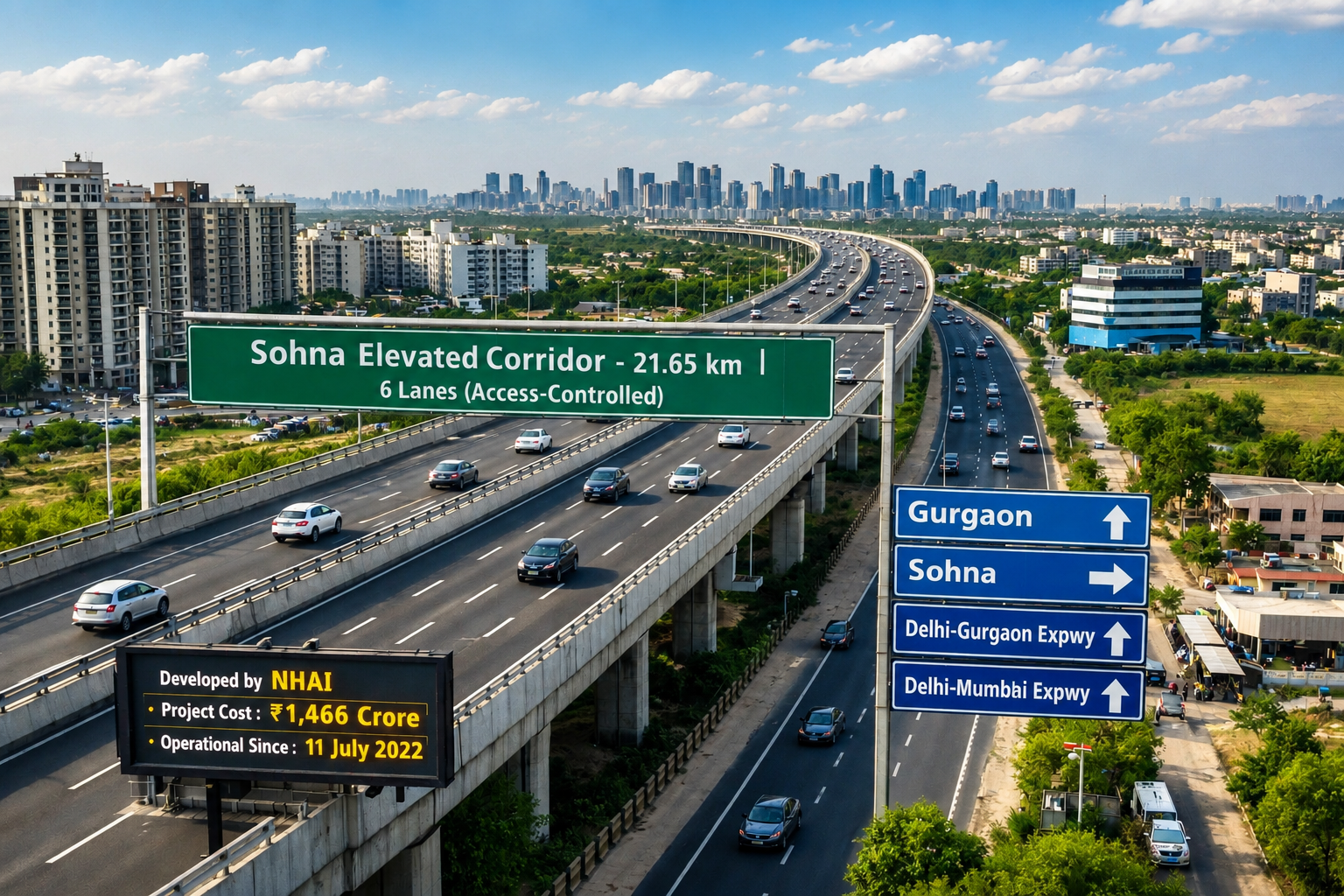
Is Sohna Really the Next Chhatarpur?
Three decades after Chhatarpur redrew South Delhi's map for space, privacy and exclusivity, a familiar pattern is now taking shape further south, and Sohna is where the smart money is beginning to look.
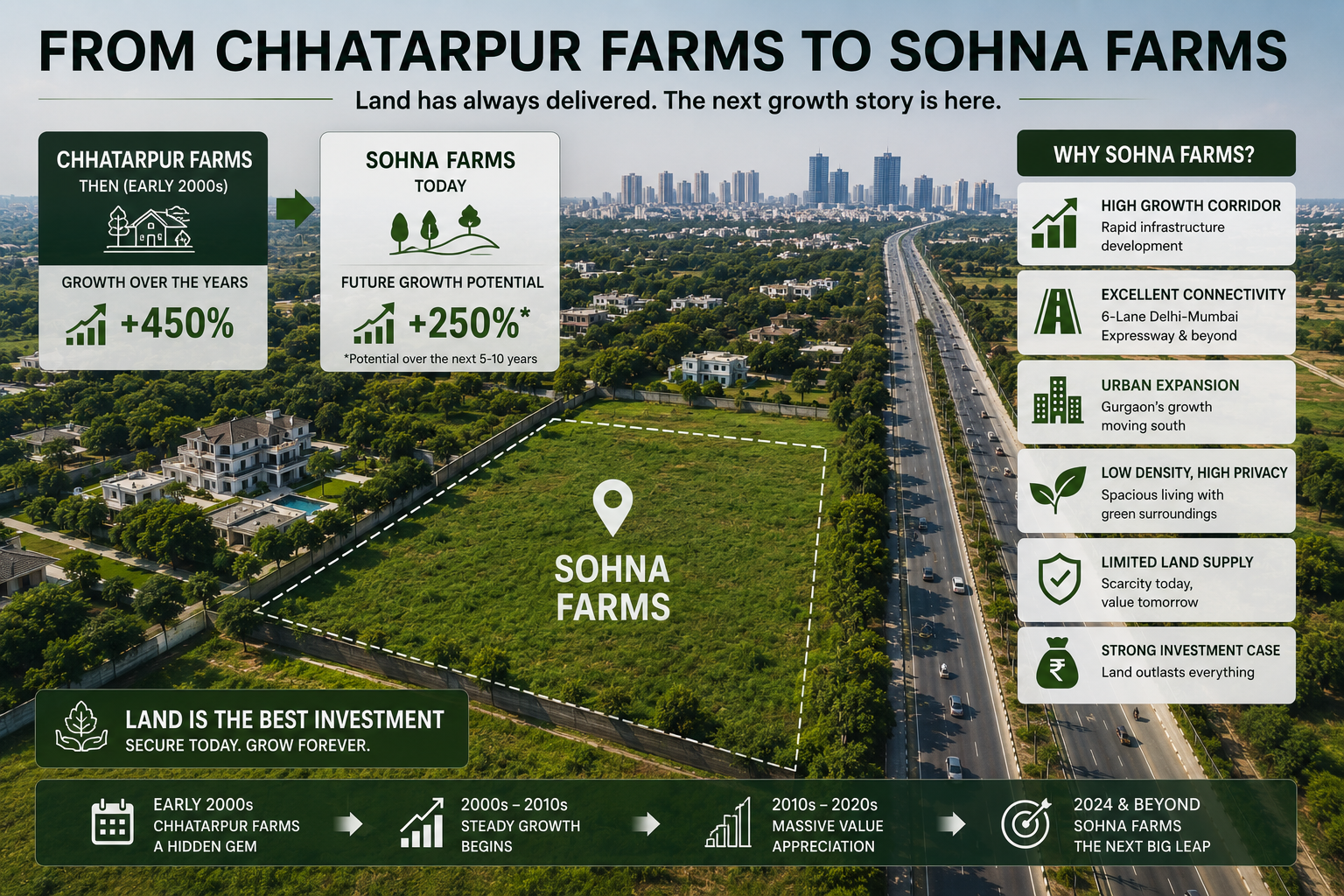
How Chhatarpur Farmhouses Created Multi-Crore Wealth for Early Buyers
What a quiet corner of South Delhi can teach investors about land, scarcity, and long-term wealth creation.
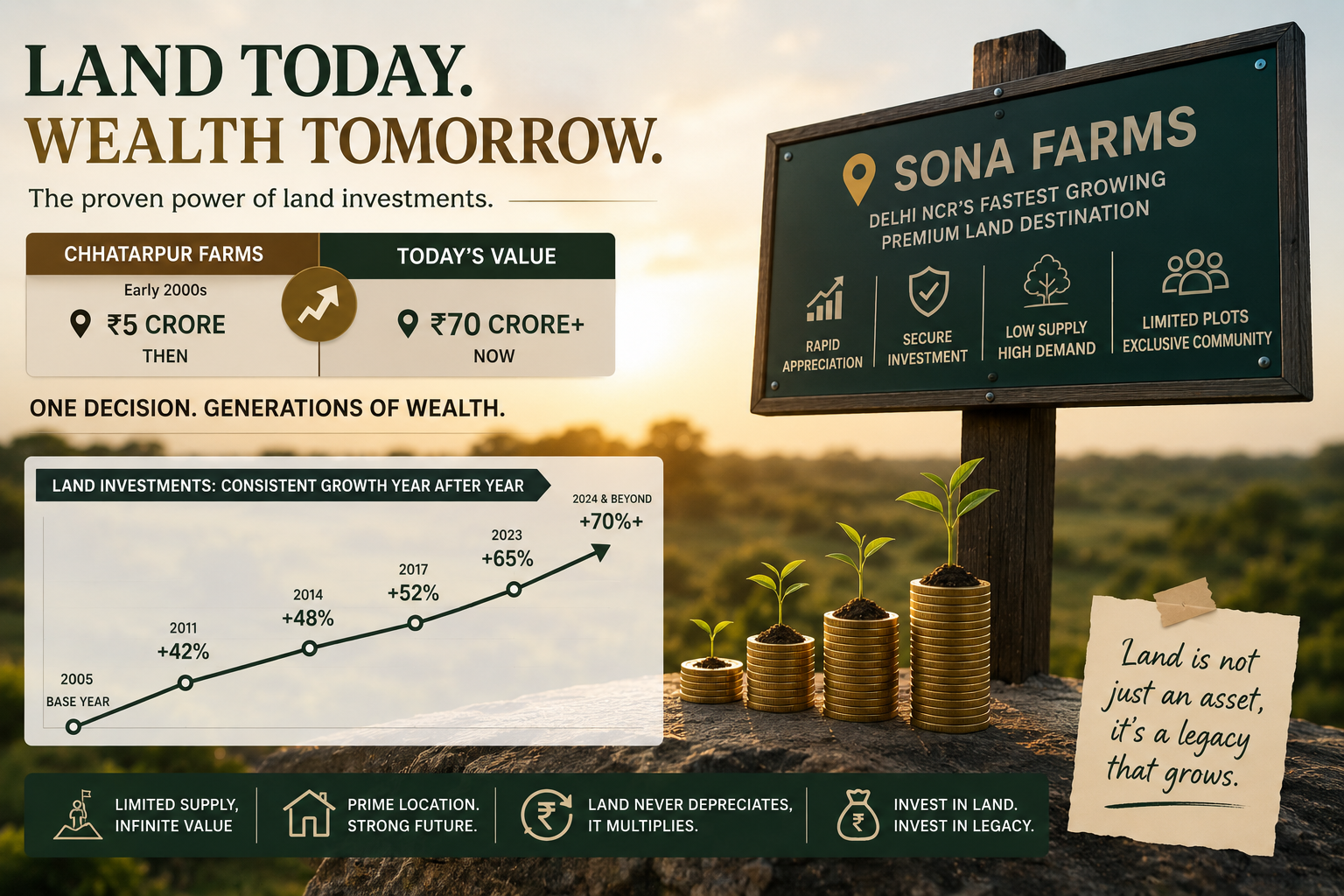
The ₹5 Crore Land Purchase That Became Worth ₹70 Crore
What the Story of DLF Chhatarpur Farms Reveals About Wealth Creation Through Premium Land Ownership
One short email. Stories you can use.
A free, occasional email from our editorial team with our latest features, explainers and reads. Unsubscribe any time — your email stays with us.