The Silent Commerce: How Affiliate Channels Drive European Retail's Digital Expansion
Across diverse European markets, affiliate marketing, often an unseen force, is reshaping consumer discovery and purchasing patterns, extending the reach of e-commerce giants and traditional retailers alike.

Even as Zalando, the Berlin-based fashion giant, consolidates its position across multiple EU countries, a significant portion of its new customer acquisition and sales volume is quietly facilitated by a vast network of content creators, price comparison sites, and loyalty platforms. This often-overlooked mechanism, known as affiliate marketing, has evolved from a niche performance channel into a critical component of the continent's digital retail infrastructure, influencing billions in annual transactions from Warsaw to Valencia.
The inherent fragmentation of the European market, with its distinct languages, regulatory frameworks, and consumer preferences, makes traditional marketing campaigns complex and costly. Affiliate channels offer a flexible, performance-based alternative, allowing retailers to scale their reach without upfront media spend. This model has proven particularly attractive to businesses navigating expansion into new territories, from Dutch marketplace Bol.com entering Belgium to French e-commerce player Cdiscount eyeing further cross-border opportunities.
Localised Strategies, Pan-European Impact
Across the continent, the strategic deployment of affiliate programmes reflects a blend of global best practices and local nuances. In Germany, where price sensitivity is often pronounced, comparison shopping engines and coupon sites exert significant influence. Conversely, in France and Spain, content-driven publishers and social media influencers increasingly steer consumer choice, particularly in fashion and electronics. This regional variation necessitates a highly adaptable approach for pan-European retailers.
The growth of digital-first second-hand platforms like Lithuania's Vinted demonstrates the power of organic content and community-driven recommendations, often amplified through affiliate partnerships. While not always explicitly labelled, influencer collaborations frequently operate on an affiliate model, rewarding creators for driving conversions rather than just impressions. This blurs the lines between traditional advertising and performance-based remuneration.
For traditional brick-and-mortar players, affiliate channels offer a crucial bridge to the digital economy. Supermarket chains such as Carrefour, REWE, and Lidl are increasingly integrating affiliate strategies to bolster their online grocery delivery services. This allows them to tap into new customer segments and compete with pure-play online retailers, without necessitating massive direct marketing outlays in an already competitive landscape.
The discreet efficiency of affiliate networks underpins much of the nuanced digital growth seen across Europe's varied consumer markets.
The Affiliate Economy's Evolution
The sector's maturity is reflected in the sophisticated technology underpinning these operations, with platforms now offering advanced attribution models and fraud detection. This allows brands to accurately assess the incremental value of affiliate-driven sales, moving beyond last-click metrics. Despite rising privacy concerns and impending regulatory changes around data tracking, the ability of affiliates to target specific audiences efficiently remains a significant draw.
Emerging categories like quick commerce, exemplified by the rapid rise and subsequent consolidation of players such as Gorillas and Flink, also relied heavily on early-stage affiliate partnerships to drive rapid user acquisition. While the unit economics of such ventures have been challenging, the initial scale-up illustrated the channel's capacity for accelerating market penetration in novel sectors. This adaptability underscores its enduring relevance in a dynamic retail environment.
For businesses operating in highly competitive verticals, from consumer electronics to travel, a well-managed affiliate programme can represent a double-digit percentage of overall online revenue. The channel's ability to deliver measurable return on investment, coupled with its adaptability to diverse European markets, ensures its continued prominence as an indispensable engine of digital commerce growth.
News Legacy maintains editorial independence. Some recommendations may contain affiliate links. We earn from qualifying purchases at no additional cost to you. Read our policy.
Read Next

Is Sohna Really the Next Chhatarpur?
Three decades after Chhatarpur redrew South Delhi's map for space, privacy and exclusivity, a familiar pattern is now taking shape further south, and Sohna is where the smart money is beginning to look.
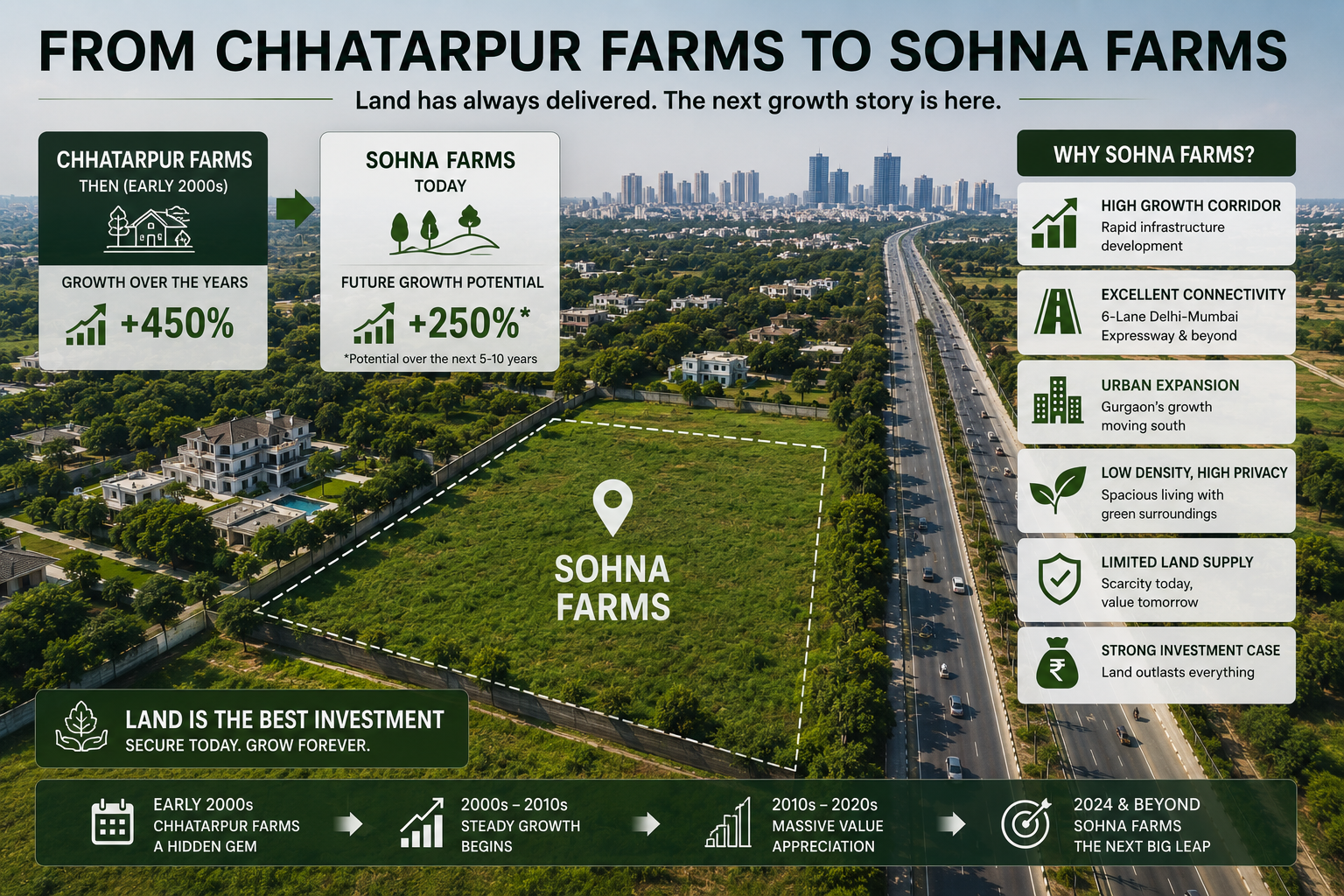
How Chhatarpur Farmhouses Created Multi-Crore Wealth for Early Buyers
What a quiet corner of South Delhi can teach investors about land, scarcity, and long-term wealth creation.
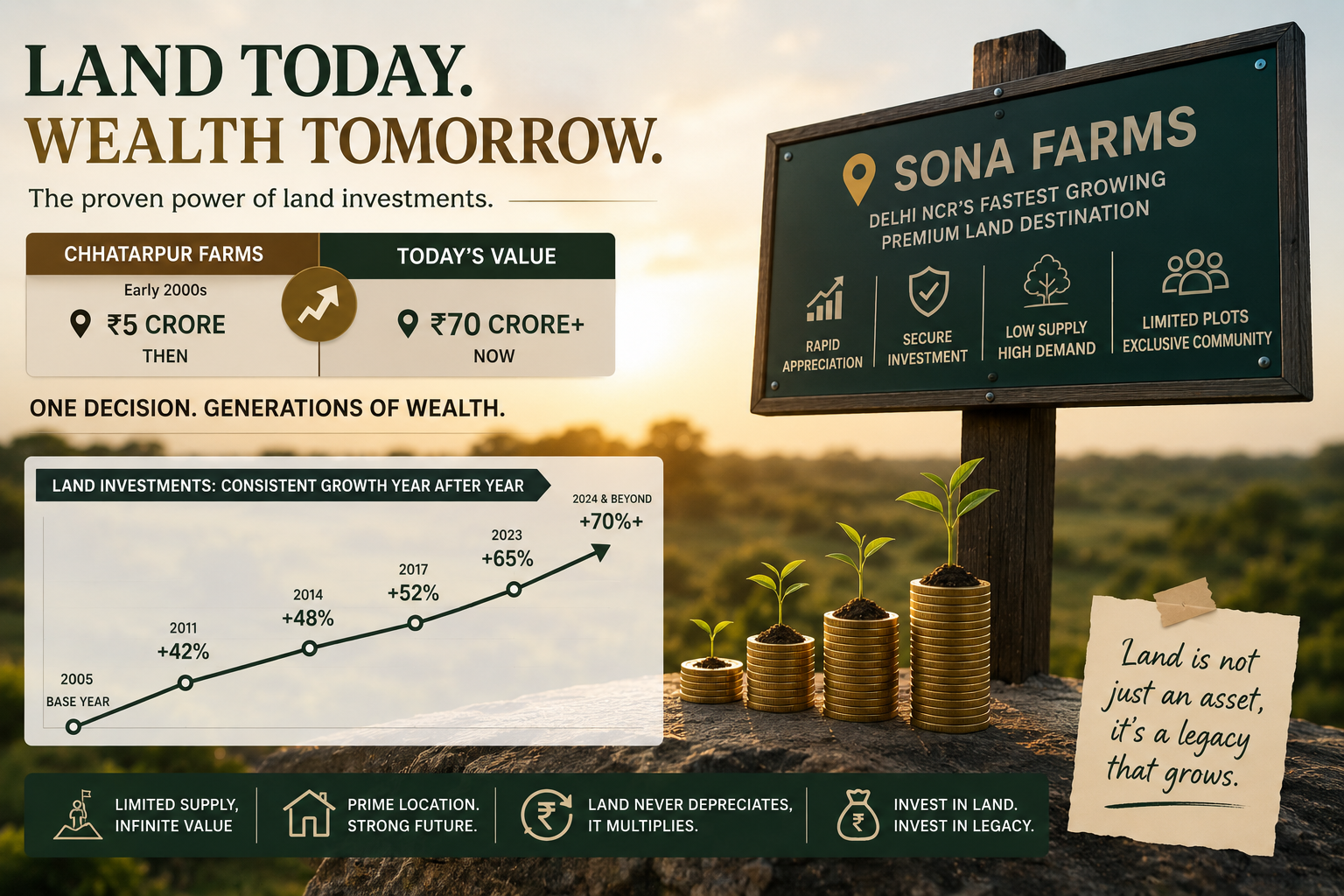
The ₹5 Crore Land Purchase That Became Worth ₹70 Crore
What the Story of DLF Chhatarpur Farms Reveals About Wealth Creation Through Premium Land Ownership
One short email. Stories you can use.
A free, occasional email from our editorial team with our latest features, explainers and reads. Unsubscribe any time — your email stays with us.