The Silent Commissions: How Affiliate Marketing Reshapes UK Retail Profitability
Across Britain's digital storefronts, a sophisticated network of affiliate partnerships is quietly redirecting consumer spend and redefining the economics of customer acquisition for major retailers and nascent brands alike.

When a shopper in South London clicks a link on a personal finance blog comparing broadband deals, ultimately subscribing to a BT package, or when a fashion enthusiast in Manchester discovers a new dress on ASOS via a style influencer's Instagram story, a small but significant financial transaction often occurs in the background. This mechanism, known as affiliate marketing, has evolved far beyond its early iterations, becoming an indispensable, often overlooked, component of the digital sales strategy for a significant proportion of UK retailers.
For businesses from Tesco to Trainline, and from Ocado to O2, the affiliate channel offers a performance-based marketing model where payment is contingent on a measurable outcome – typically a sale, lead, or click. This shifts advertising spend from speculative outlays to a cost-per-acquisition model, a particularly attractive proposition in a climate of tightening marketing budgets and intense competition for consumer attention. The UK affiliate marketing industry now contributes a substantial figure to the digital economy, with estimates placing its annual value in the high hundreds of millions of pounds.
The Stealthy Sales Force
Unlike traditional advertising, which seeks to generate brand awareness across a broad audience, affiliate marketing leverages a distributed network of publishers, content creators, and comparison sites to target highly specific consumer segments. These affiliates, ranging from large media groups to individual bloggers, effectively act as outsourced sales agents, earning a commission on every successful referral. For a retailer like Next, this might mean partnering with lifestyle websites that feature seasonal clothing collections; for Sainsbury's, it could involve recipe blogs linking to specific ingredients available for home delivery.
The inherent attractiveness of this model lies in its scalability and risk mitigation. Retailers can onboard thousands of affiliates without incurring upfront advertising costs, only paying a percentage of the revenue generated. This contrasts sharply with the fixed costs associated with television commercials or banner advertising, where return on investment can be less predictable. The proliferation of digital content creators and niche communities has further amplified the reach and effectiveness of this approach, allowing brands to penetrate segments that traditional marketing might overlook.
The discreet nature of affiliate commissions belies their profound impact on the bottom line for many high-street and e-commerce giants, acting as a perpetual, performance-driven sales engine.
Navigating Complexity and Compliance
However, the landscape is not without its complexities. Managing a vast network of affiliates, ensuring brand consistency, and complying with advertising standards set by the Advertising Standards Authority (ASA) and data protection regulations like GDPR requires sophisticated platforms and dedicated teams. Furthermore, distinguishing genuinely incremental sales from those consumers would have made regardless presents an ongoing analytical challenge. Retailers must carefully calibrate commission rates to incentivise affiliates without eroding profit margins significantly.
The growth of platforms like Awin and Rakuten Advertising in the UK underscores the professionalisation of the sector. These networks provide the infrastructure for tracking sales, managing payments, and fostering relationships between brands and affiliates. For newer entrants or smaller businesses, such as craft e-tailers or independent fashion labels, affiliate marketing offers an accessible pathway to market visibility, bypassing the prohibitive costs of large-scale advertising campaigns. Deliveroo and Just Eat, for example, have leveraged referral programmes, a form of affiliate marketing, to expand their customer bases through word-of-mouth incentives.
As consumer behaviour continues to shift towards digital discovery and comparison, the influence of these indirect sales channels will only intensify. Understanding the mechanics and strategic implications of affiliate marketing is no longer a peripheral concern but a core competency for any retailer aiming to secure and expand its market share in the fiercely competitive British retail environment.
News Legacy maintains editorial independence. Some recommendations may contain affiliate links. We earn from qualifying purchases at no additional cost to you. Read our policy.
Read Next

Is Sohna Really the Next Chhatarpur?
Three decades after Chhatarpur redrew South Delhi's map for space, privacy and exclusivity, a familiar pattern is now taking shape further south, and Sohna is where the smart money is beginning to look.
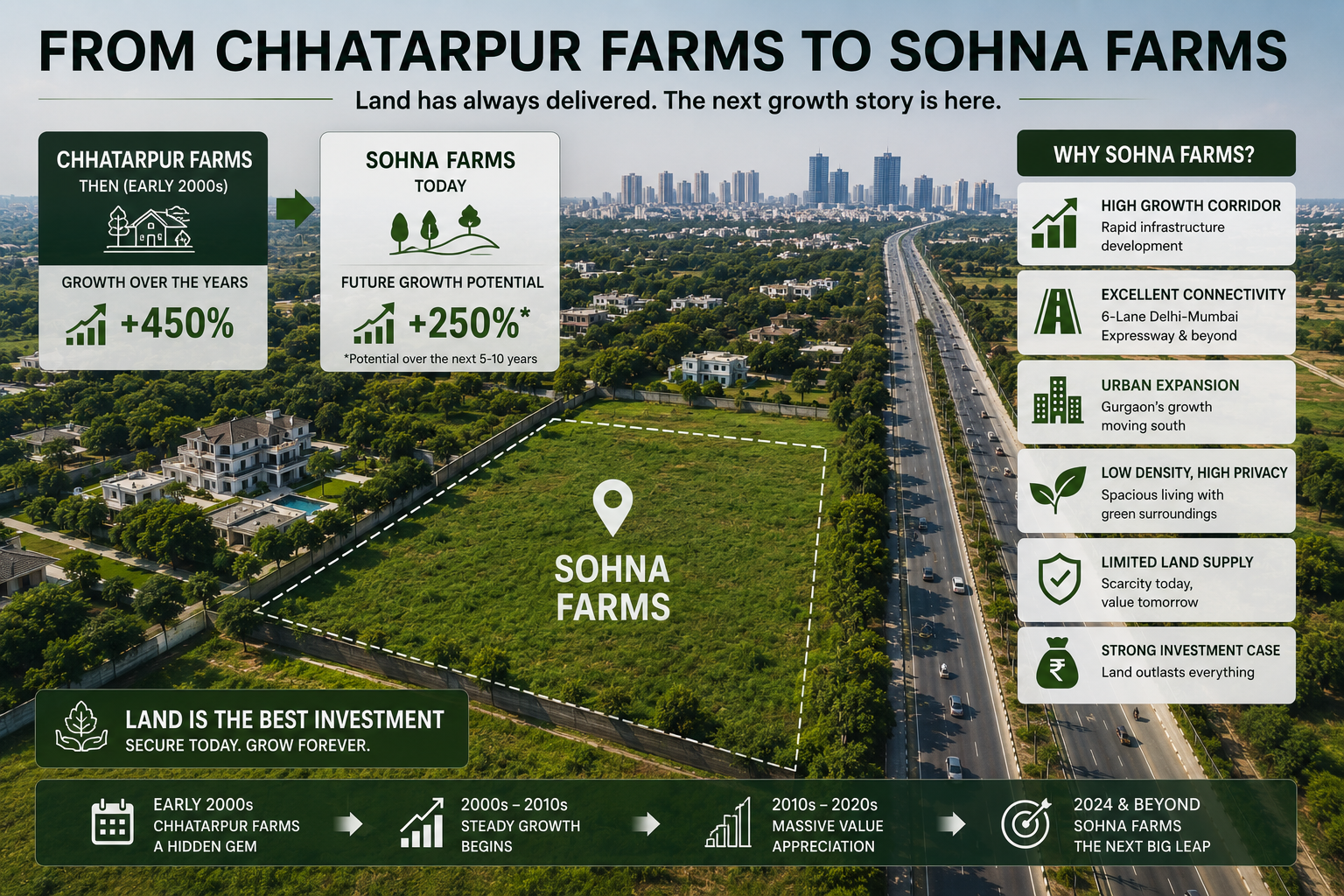
How Chhatarpur Farmhouses Created Multi-Crore Wealth for Early Buyers
What a quiet corner of South Delhi can teach investors about land, scarcity, and long-term wealth creation.

The ₹5 Crore Land Purchase That Became Worth ₹70 Crore
What the Story of DLF Chhatarpur Farms Reveals About Wealth Creation Through Premium Land Ownership
One short email. Stories you can use.
A free, occasional email from our editorial team with our latest features, explainers and reads. Unsubscribe any time — your email stays with us.