The Silent Commissions: How Affiliate Marketing Reshapes UK Retail’s Profit Perimeters
Across Britain's digital storefronts, a sophisticated network of affiliate partnerships quietly redirects consumer spending and redefines the margins available to even the largest High Street stalwarts and online pure-plays. This pervasive influence is forcing a reassessment of traditional customer acquisition costs.

When a customer adds a new cashmere jumper from Marks & Spencer to their basket after clicking through from a fashion blog, or a weekly grocery shop at Tesco is initiated via a cashback portal, a small but significant commission is typically paid. These seemingly innocuous transactions collectively represent a multi-billion-pound ecosystem within the UK, largely unseen by the end consumer, yet profoundly shaping how retailers allocate their marketing budgets and pursue growth in an intensely competitive market. The continued expansion of this digital strategy merits close scrutiny, particularly as inflationary pressures squeeze both consumer disposable income and retailer profitability.
For years, affiliate marketing has been a staple, but its strategic importance has evolved beyond simple banner advertisements. Major UK players like ASOS and Next increasingly leverage content creators and niche review sites, while supermarkets such as Sainsbury's and Ocado benefit from aggregator platforms and loyalty schemes that integrate affiliate mechanics. These relationships offer a performance-based model, where payments are contingent on a sale or lead, presenting an attractive alternative to traditional, often speculative, advertising spend.
The Evolving Landscape of Digital Influence
The pandemic accelerated digital adoption across all demographics, solidifying the role of online channels in everyday commerce. This shift bolstered the affiliate sector, as consumers spent more time researching purchases online and exploring a wider array of digital touchpoints before committing to a transaction. For instance, the financial comparison site model, common in the insurance and utilities sectors, has seen analogous growth in retail, with platforms offering aggregated deals and implicitly acting as powerful affiliate conduits for a range of consumer goods and services.
Data from industry bodies suggests that the UK affiliate marketing sector has seen consistent double-digit growth annually over the past half-decade. While precise figures are often proprietary, some estimates place its annual value in the UK upwards of £1.5 billion, encompassing everything from fashion and electronics to food delivery services like Deliveroo and Just Eat. This represents a substantial portion of overall digital marketing spend, often delivering a robust return on investment due to its transactional nature.
Strategic Implications for UK Retailers
Retailers are increasingly sophisticated in their deployment of affiliate strategies. Instead of simply broad-brush campaigns, there is a distinct move towards micro-influencers and highly targeted content publishers whose audiences align precisely with specific product lines or brand values. This precision allows for more efficient budget allocation and a stronger connection with potential buyers, circumventing the broad reach (and cost) of traditional media campaigns.
The discreet nature of affiliate commissions allows brands to penetrate new consumer segments without the overt appearance of direct marketing, fostering a more organic perception of discovery.
However, the proliferation of affiliate channels also introduces complexities. Managing a diverse network of partners, ensuring brand consistency, and preventing 'cookie stuffing' or other fraudulent practices demand robust technological solutions and diligent oversight. The balance between expanding reach and maintaining brand integrity becomes a constant negotiation. For consumers, while these channels often provide value through discounts or curated content, the underlying commercial relationships remain largely opaque, a characteristic that occasionally prompts questions about the impartiality of recommendations.
The ongoing evolution of the affiliate model will likely see further integration with loyalty programmes and personalised marketing efforts. As the UK retail environment continues to adapt to evolving consumer expectations and economic headwinds, the nuanced contribution of affiliate marketing to the bottom line will remain a critical, albeit often understated, strategic consideration for boardrooms from Canary Wharf to the regional distribution hubs.
News Legacy maintains editorial independence. Some recommendations may contain affiliate links. We earn from qualifying purchases at no additional cost to you. Read our policy.
Read Next

Is Sohna Really the Next Chhatarpur?
Three decades after Chhatarpur redrew South Delhi's map for space, privacy and exclusivity, a familiar pattern is now taking shape further south, and Sohna is where the smart money is beginning to look.
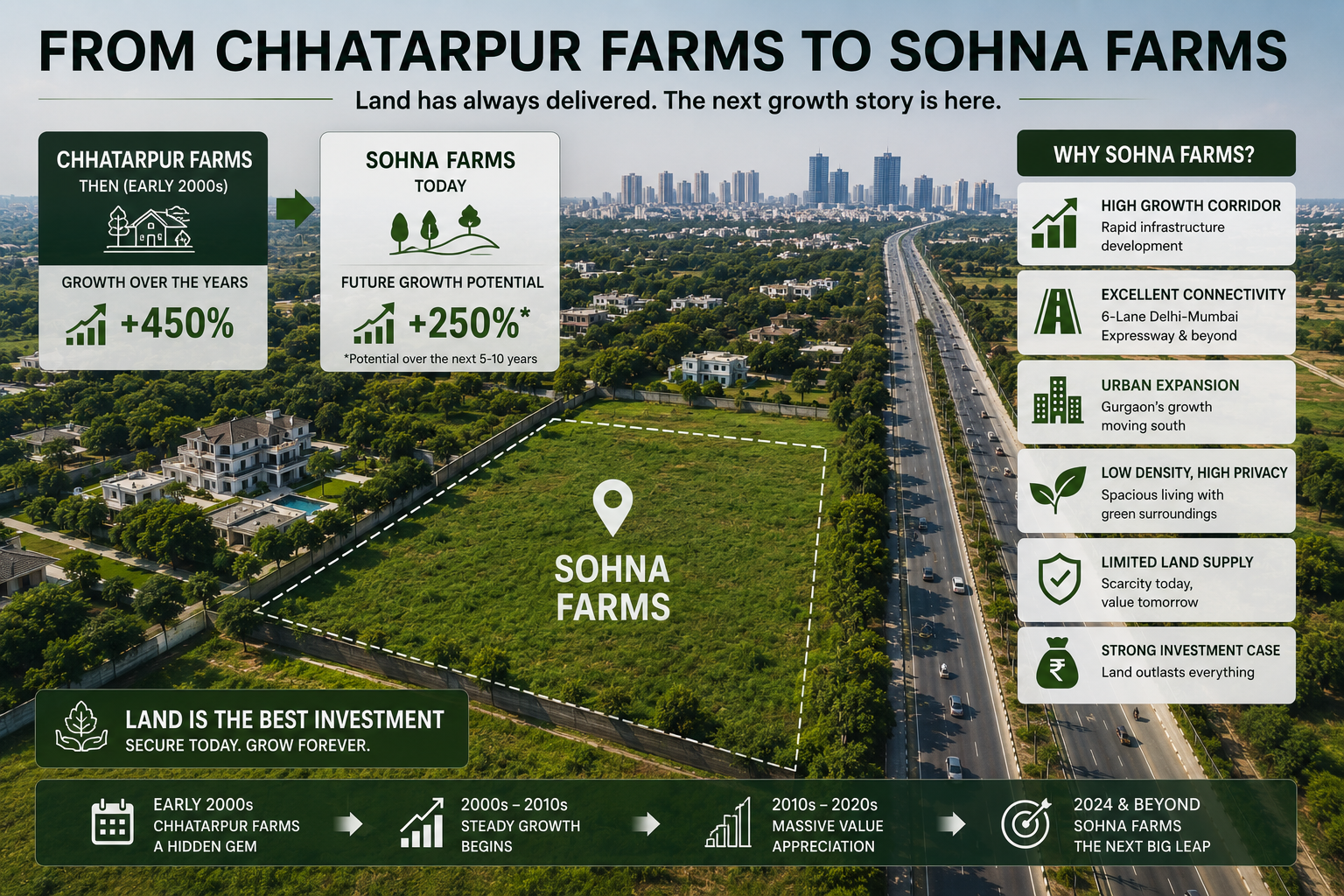
How Chhatarpur Farmhouses Created Multi-Crore Wealth for Early Buyers
What a quiet corner of South Delhi can teach investors about land, scarcity, and long-term wealth creation.

The ₹5 Crore Land Purchase That Became Worth ₹70 Crore
What the Story of DLF Chhatarpur Farms Reveals About Wealth Creation Through Premium Land Ownership
One short email. Stories you can use.
A free, occasional email from our editorial team with our latest features, explainers and reads. Unsubscribe any time — your email stays with us.